Wheels and Deals: Uncovering the Transit Networks That Enable Effortless Transitions Between Casinos, Shows, and Late-Night Spots
Written by Uma Hartmann · May 23, 2026
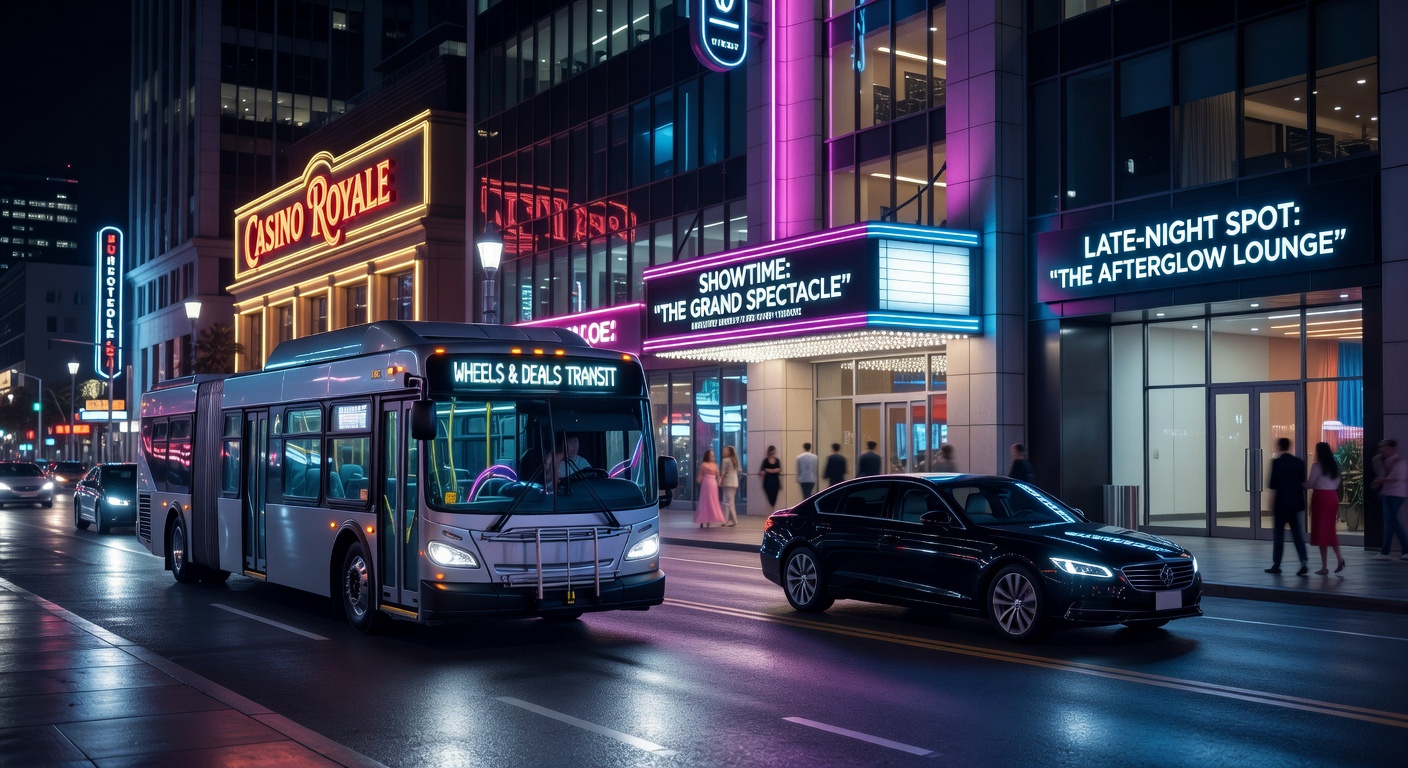
Wheels and Deals: Uncovering the Transit Networks That Enable Effortless Transitions Between Casinos, Shows, and Late-Night Spots
Las Vegas transit systems form interconnected webs that move visitors between casinos, theater venues, and late-night destinations with coordinated schedules and dedicated routes, according to records from the Regional Transportation Commission of Southern Nevada. These networks include elevated monorails, ground-level buses, hotel-specific trams, and rideshare integrations that align with peak entertainment hours, and data from transportation logs show consistent usage patterns throughout the year.
Monorail Connections Across the Strip
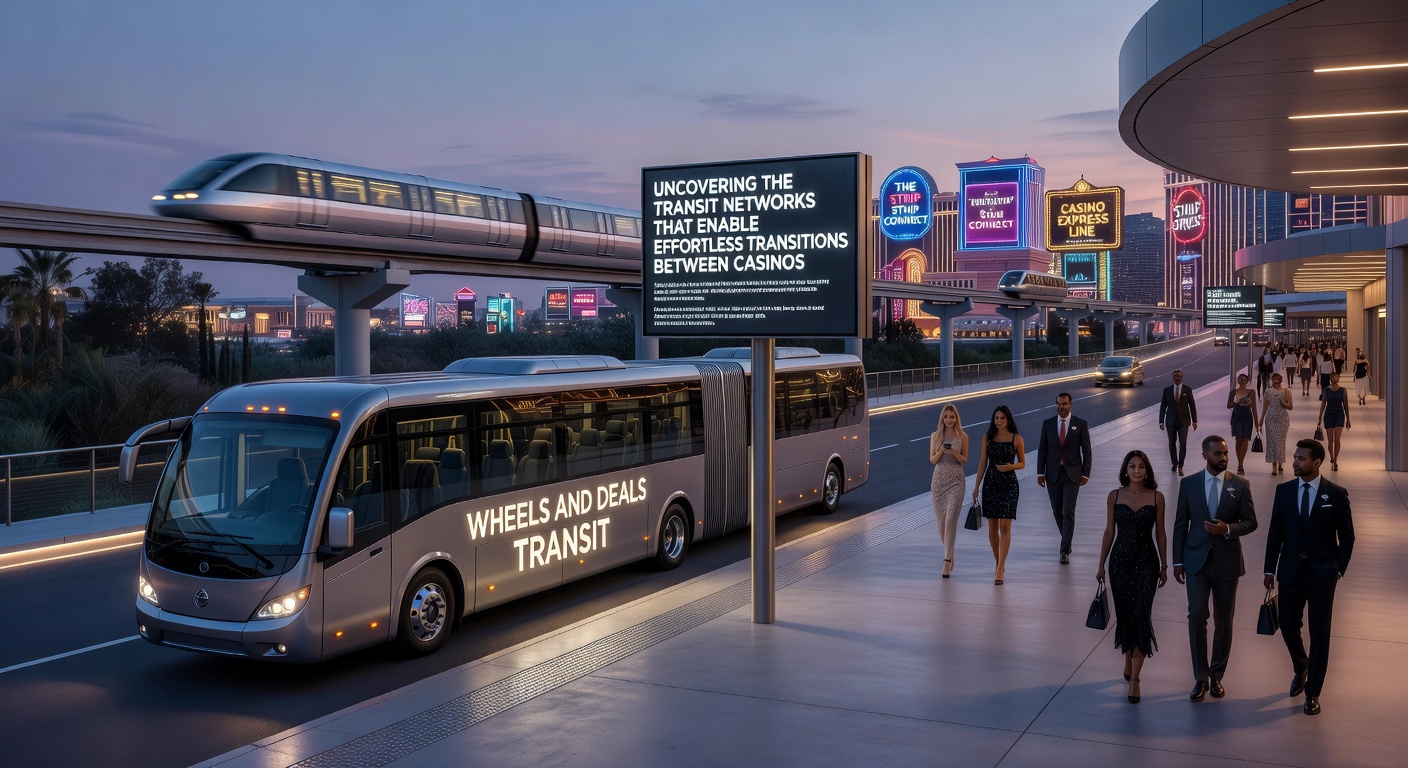
The Las Vegas Monorail operates on a 6.3-mile elevated track that links major casino resorts from the MGM Grand to the Sahara Las Vegas, with stations positioned at properties that host both gaming floors and performance spaces, while passengers transfer directly into casino lobbies or adjacent showrooms without street-level exposure. Service runs from 7 a.m. to midnight on weekdays and extends later on weekends, and ridership figures indicate over 4 million annual trips that frequently combine casino visits with evening shows. Observers note that this system reduces walking distances during transitions to late-night spots located within connected resorts, and schedules coordinate with show curtain times at venues inside those same properties.
Bus and Shuttle Integration Patterns
Regional Transportation Commission routes such as the Deuce and SDX lines follow the Las Vegas Strip corridor with stops at casino entrances, performance halls, and after-hours lounges, where buses operate on 24-hour schedules during peak seasons and accept contactless payments that sync with casino rewards apps. These services connect to off-Strip destinations including downtown venues and residential-adjacent night spots, and studies from the University of Nevada, Las Vegas transportation research group document average wait times under 15 minutes during evening hours. Hotel-operated trams supplement these routes by linking adjacent casino complexes like Excalibur to Mandalay Bay and Park MGM to Bellagio, creating seamless indoor pathways that extend into late-night dining and entertainment zones.
Rideshare and Taxi Coordination
Rideshare platforms maintain designated pickup zones at casino porte-cocheres and theater exits that align with performance end times, and regulatory data from the Nevada Transportation Authority records thousands of daily trips that chain casino sessions with late-night destinations across the valley. Taxi stands at major resorts operate with queue systems that prioritize short-haul runs between clustered entertainment areas, while app-based services provide real-time tracking that accounts for traffic patterns around show districts. These options complement fixed-route transit during off-peak windows when monorail and bus frequencies decrease, and integration with hotel concierges allows pre-arranged pickups that maintain continuity between daytime casino activity and nighttime outings.
Pedestrian and Micro-Mobility Links
Pedestrian bridges and moving walkways span major intersections along the Strip, connecting casino clusters directly to show venues and late-night establishments without requiring street crossings, and city planning documents detail over 20 such structures that support continuous movement between properties. E-scooter and bike-share programs, operated through partnerships with the Regional Transportation Commission, offer short-distance options for transitions within a one-mile radius, with docking stations placed near casino exits and performance halls. These micro-mobility systems operate under time-of-day restrictions that correspond to entertainment schedules, and usage data shows elevated activity between 10 p.m. and 2 a.m. when visitors shift from shows to late-night spots.
Upcoming Network Adjustments for 2026
Transit planners have scheduled infrastructure updates that include expanded monorail operating hours and additional bus rapid-transit lanes set for implementation by May 2026, coinciding with anticipated increases in visitor volume during major conventions and entertainment events. These adjustments build on existing coordination between the Regional Transportation Commission and resort operators to maintain alignment with showtimes and casino peak periods, and preliminary route maps indicate new stops near emerging late-night districts on teh east side of the Strip. Coordination efforts also encompass rideshare zone expansions that will accommodate higher volumes during the same timeframe.
Conclusion
Transit networks in Las Vegas continue to evolve through coordinated planning that links gaming, performance, and nightlife venues via multiple transport modes, with operational data confirming their role in facilitating visitor movement. Records maintained by transportation authorities and resort partnerships demonstrate consistent service patterns that adapt to seasonal and event-based demands, ensuring coverage across the primary entertainment corridors into the coming years.