Vegas Casino Chip Collectors: How Souvenir Tokens Reveal Decades of Strip Transformations
Written by Noah Roth · May 21, 2026
Vegas Casino Chip Collectors: How Souvenir Tokens Reveal Decades of Strip Transformations
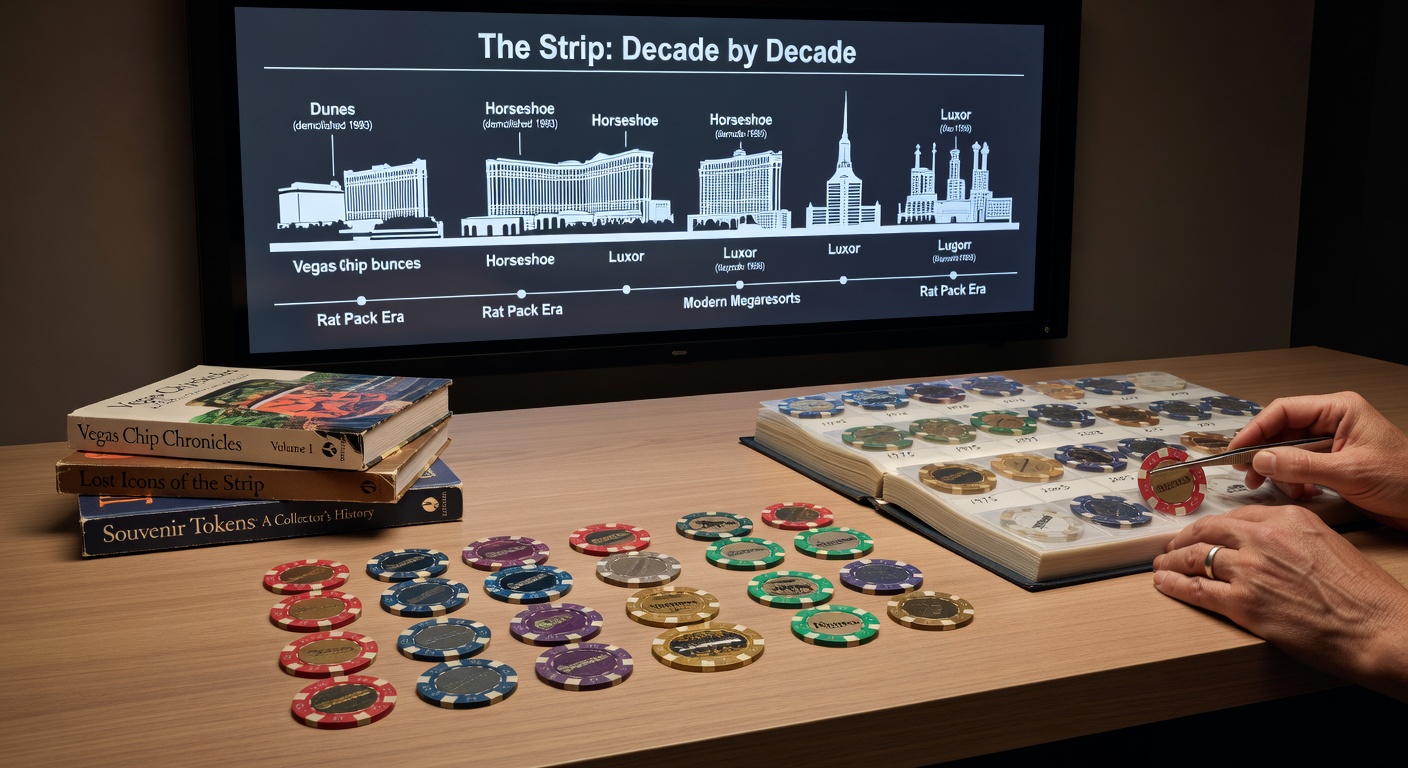
Collectors have tracked the evolution of Las Vegas through casino chips for decades, and these small tokens carry detailed records of ownership shifts, architectural overhauls, and branding updates along the Strip. Each chip design captures a specific moment when a property changed hands or underwent major renovations, turning private collections into visual timelines of the city's growth. Researchers at the UNLV Center for Gaming Research have documented how chip varieties increased dramatically after the 1960s corporate era began replacing individual operators with large entertainment companies.
Early Chip Designs and the Corporate Shift
Casino chips started as simple clay compositions in the mid-20th century, yet they quickly incorporated unique colors, edge spots, and center inserts to prevent counterfeiting while marking specific denominations and properties. Observers note that the transition from mob-influenced operations to corporate ownership in the 1970s and 1980s produced noticeable changes in chip aesthetics, with cleaner logos and standardized security features replacing earlier hand-stamped varieties. The Nevada Gaming Control Board maintains records of approved chip designs that reflect these regulatory updates, and figures from industry reports show thousands of distinct chip issues issued between 1970 and 2000 alone.
Closed Properties and Their Lasting Tokens
Chips from demolished resorts such as the Sands, Stardust, and Desert Inn remain highly sought after because they represent entire chapters of Strip history that no longer exist in physical form. When the Mirage opened in 1989 it introduced new chip series featuring tropical motifs that later collectors compared against older desert-themed designs from previous decades, and similar patterns repeated when properties like the MGM Grand expanded or rebranded following major fires and acquisitions. Data from collector databases indicates that chips tied to these vanished landmarks often command premium prices at shows because they document specific construction phases and management eras that reshaped the skyline.
Modern Security Features and Collecting Trends
Today's chips include RFID tags, ultraviolet markings, and complex edge patterns that earlier generations lacked, and these additions mirror broader technological upgrades across the gaming industry. Collectors examine how color schemes shifted from bold primaries in the 1980s to metallic finishes and custom artwork in recent years, reflecting each resort's attempt to stand out amid increasing competition. One study from the American Gaming Association tracked the rise in limited-edition chips released during property anniversaries, and these commemorative issues often preview upcoming expansions or retheming projects before construction crews break ground.

Events scheduled for May 2026 include a major gathering organized by the Casino Chip and Gaming Token Collectors Club that will feature displays of chips spanning from the 1950s through current releases, and organizers expect participants to discuss how recent corporate mergers continue to alter chip inventories across multiple properties. These meetings allow attendees to compare physical examples against historical photographs, revealing precise dates when certain designs entered circulation or were retired following ownership changes.
Market Value and Preservation Efforts
Secondary markets for vintage chips have grown steadily, with auction records showing consistent demand for pieces that carry authentication paperwork from the original casinos. Preservation groups work with former casino employees to verify the authenticity of older tokens, and their documentation efforts help connect specific chip runs to particular renovations or expansions that occurred decades earlier. Those who study these artifacts observe that chip collections frequently include sets from international properties as well, yet the concentration remains highest among Strip locations because of the rapid pace of change along Las Vegas Boulevard.
Conclusion
Chip collecting continues to serve as an accessible entry point for understanding broader transformations along the Las Vegas Strip, and ongoing regulatory oversight from the Nevada Gaming Control Board ensures that new issues maintain detailed records for future researchers. As properties announce updates and limited-edition releases appear in advance of construction timelines, collectors gain additional material that extends the documented history of the destination into the coming years.