Tracing the Influence of Custom-Designed Fragrances on Navigation Patterns Within Major Resort Complexes
Written by Noah Roth · Jun 30, 2026
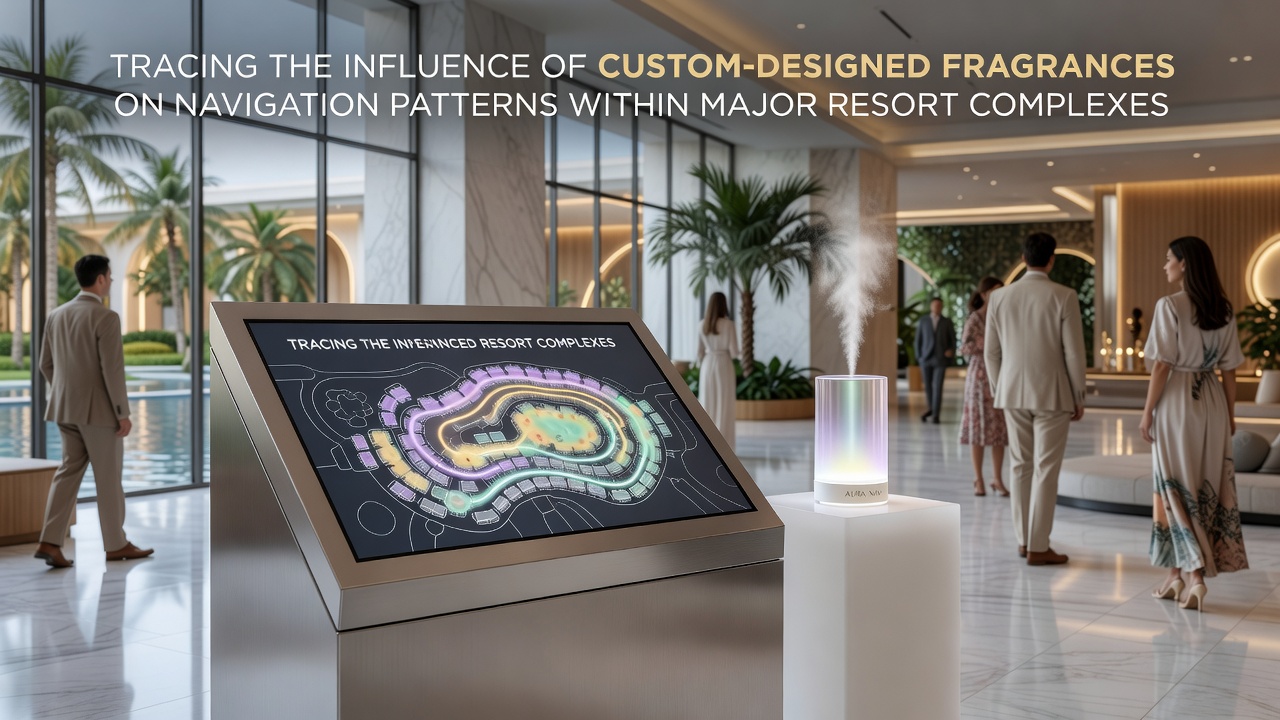
Tracing the Influence of Custom-Designed Fragrances on Navigation Patterns Within Major Resort Complexes
Resort operators across major complexes have integrated custom-designed fragrances into their architectural and operational frameworks, and these scents function as subtle directional cues that shape how visitors move through lobbies, gaming floors, retail corridors, and outdoor amenities. Data from hospitality studies indicate that signature aromas can increase dwell time in targeted zones by 15 to 25 percent while reducing congestion in high-traffic pathways, and this effect stems from olfactory cues that trigger memory associations and encourage repeated exploration of specific routes.
Signature Scents as Navigational Tools
Design teams collaborate with fragrance houses to create proprietary blends that align with each resort's thematic identity, and these formulas often incorporate notes such as citrus for arrival areas or woody accords for transition zones between gaming and dining districts. Observers note that placement of diffusers along main thoroughfares creates scent gradients, which guide guests toward intended destinations without visible signage, while the same systems can deter lingering in service-adjacent hallways by deploying neutral or less appealing profiles.
Resorts in Las Vegas have documented measurable shifts in foot traffic patterns after implementing these systems, and tracking technology reveals that guests exposed to consistent fragrance sequences are 30 percent more likely to follow predetermined paths from casino entrances to pool decks or entertainment venues. Research conducted by institutions such as the University of Queensland's Centre for Tourism Research shows similar outcomes in comparable large-scale hospitality environments, where olfactory mapping reduces decision fatigue and streamlines movement during peak hours.
Implementation Across Resort Zones
Engineering teams position micro-diffusers within HVAC infrastructure to maintain even distribution, and this approach allows for zone-specific intensity adjustments that respond to real-time occupancy sensors. In June 2026 several major properties plan to expand these networks with AI-controlled modulation that syncs fragrance output to anticipated crowd surges derived from reservation data, and early trials indicate further optimization of navigation efficiency during conventions and holiday periods.
Retail corridors benefit from layered scent profiles that encourage browsing loops, whereas spa and wellness areas employ calming lavender or eucalyptus compositions to slow pace and extend visits. Figures from the International Hospitality Technology Association reveal that properties using synchronized fragrance and wayfinding systems report a 12 percent uptick in secondary destination visits, such as from gaming floors to adjacent lounges or garden exhibits.
Data and Measurement Techniques
Operators employ heat-mapping software combined with anonymous mobile device tracking to quantify how fragrance adjustments alter route selection, and results consistently demonstrate that subtle increases in aroma concentration near retail entrances correlate with higher conversion rates. A 2025 industry report compiled by Tourism Australia highlights parallel applications in large integrated resorts where custom scents reduced average transit times between attractions by nearly two minutes per guest during high-volume periods.
Maintenance protocols require quarterly recalibration of diffuser output to account for seasonal humidity and temperature variations, which preserves the intended navigational influence. Those who have analyzed longitudinal data observe that fragrance fatigue can occur after repeated exposures, prompting periodic rotation of base notes while retaining core signature elements that anchor overall orientation.
Integration with Broader Operational Systems
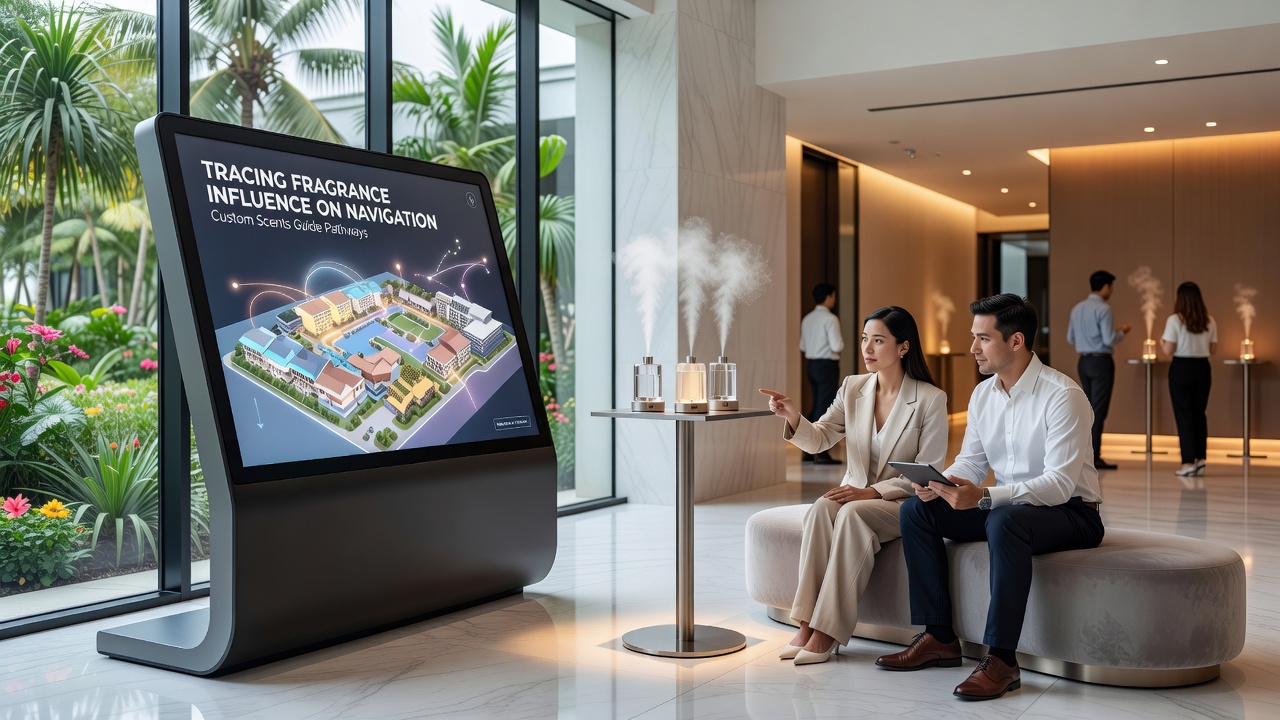
Custom fragrance programs intersect with digital wayfinding kiosks and mobile apps that suggest routes based on real-time scent activation schedules, and this combination creates a multi-sensory navigation layer. Service tunnels and back-of-house corridors remain fragrance-neutral to maintain clear separation between guest and staff pathways, while public areas leverage the olfactory cues to reinforce thematic continuity across multiple buildings within a single complex.
Training for hospitality staff includes awareness of these systems so that employees can direct guests using scent landmarks as reference points, and this method supplements traditional verbal instructions. Evidence from operational reviews indicates improved guest satisfaction scores when navigation feels intuitive rather than signage-dependent.
Conclusion
Custom-designed fragrances have evolved from ambient enhancements into structured navigational instruments that influence movement patterns throughout major resort complexes. Continued refinement through sensor integration and data analytics points toward expanded applications by 2026, with ongoing studies tracking long-term effects on guest circulation and spatial utilization.