Tracing Street Art Murals That Flourish in Service Alleys Behind Resort Properties
Written by Tina Vogel · May 26, 2026
Tracing Street Art Murals That Flourish in Service Alleys Behind Resort Properties
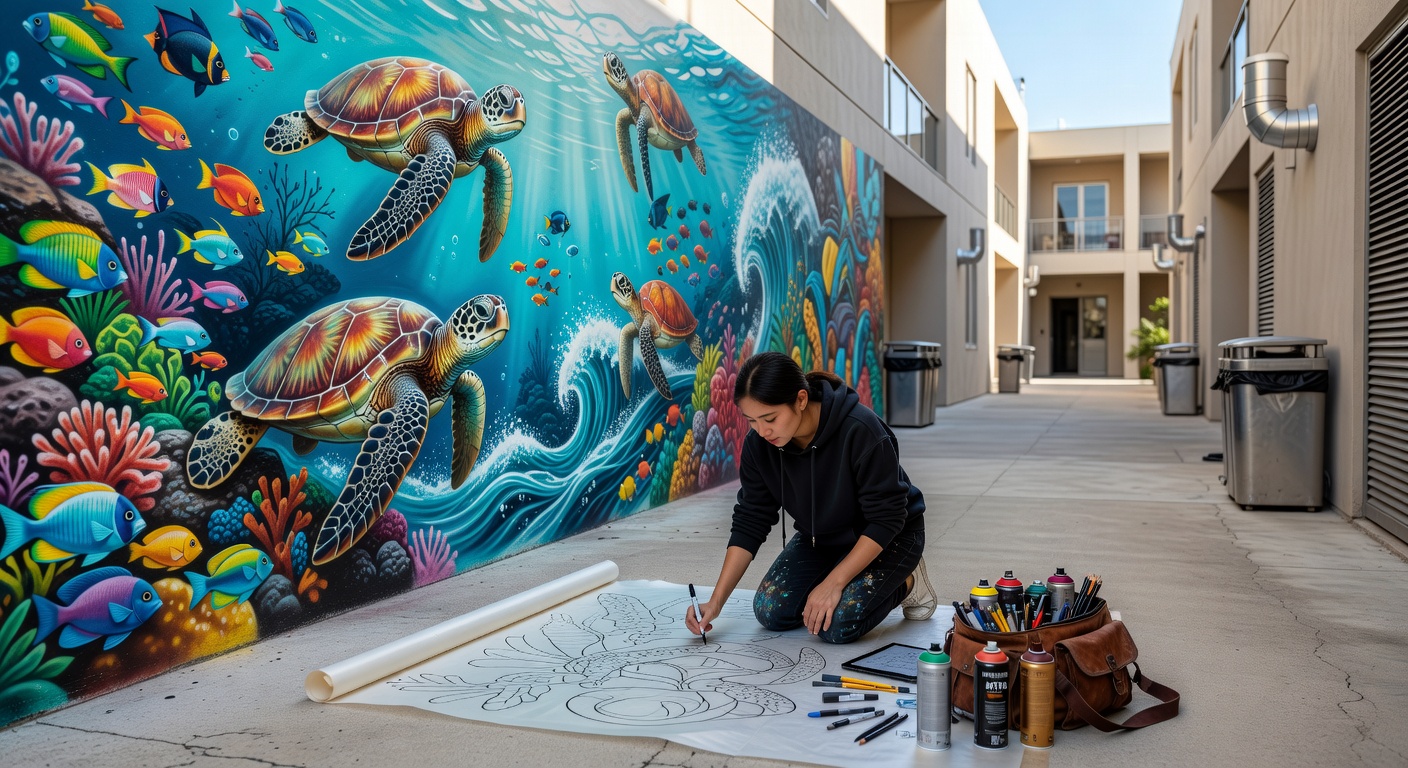
Service alleys behind major resort properties in Las Vegas host an expanding collection of street art murals that develop through coordinated efforts between property managers, local artists, and urban planners, while these spaces remain largely shielded from pedestrian traffic on the main Strip. The murals often cover concrete walls and loading dock areas with layered compositions that incorporate neon-inspired color palettes alongside desert motifs, and they evolve through periodic repainting cycles that align with seasonal tourism patterns. Observers note that access typically occurs via guided tours or self-directed walks that follow specific routes mapped by city initiatives, whereas property security protocols limit unauthorized entry yet permit approved documentation during designated hours. Researchers from regional planning departments have documented over 150 active mural sites in these alleys as of early 2025, with many concentrated behind resorts such as those along the central corridor between Flamingo Road and Tropicana Avenue. Data from municipal maintenance records indicate that installation permits increased by 22 percent between 2023 and 2025, driven by partnerships that supply artists with weather-resistant paints and scaffolding equipment. These installations frequently reference historical elements of the valley including old neon signage and native flora, and they integrate subtle lighting elements that become visible during evening hours when service operations wind down.Mapping the Primary Alley Networks
Explorers who trace these murals start at mapped entry points near service entrances that connect to public sidewalks, and they follow linear paths that run parallel to resort back-of-house zones. One prominent cluster sits behind properties near the intersection of Las Vegas Boulevard and Harmon Avenue, where walls display sequential panels that form narrative sequences when viewed in order. Another network extends behind resorts south of the central district, and it features larger-scale works that span multiple building elevations while incorporating reflective materials that interact with passing vehicle headlights.
City-maintained digital maps, updated quarterly through the metropolitan planning department, list coordinates and artist credits for each site, and they include notes on current accessibility status. Those who follow these routes often combine visits with stops at adjacent loading areas that host smaller stencil works, whereas larger spray-paint compositions require wider vantage points from alley intersections. Maintenance crews coordinate with artists to refresh sections damaged by weather or equipment movement, which preserves visual continuity across multiple seasons.
Artist Collaborations and Material Choices
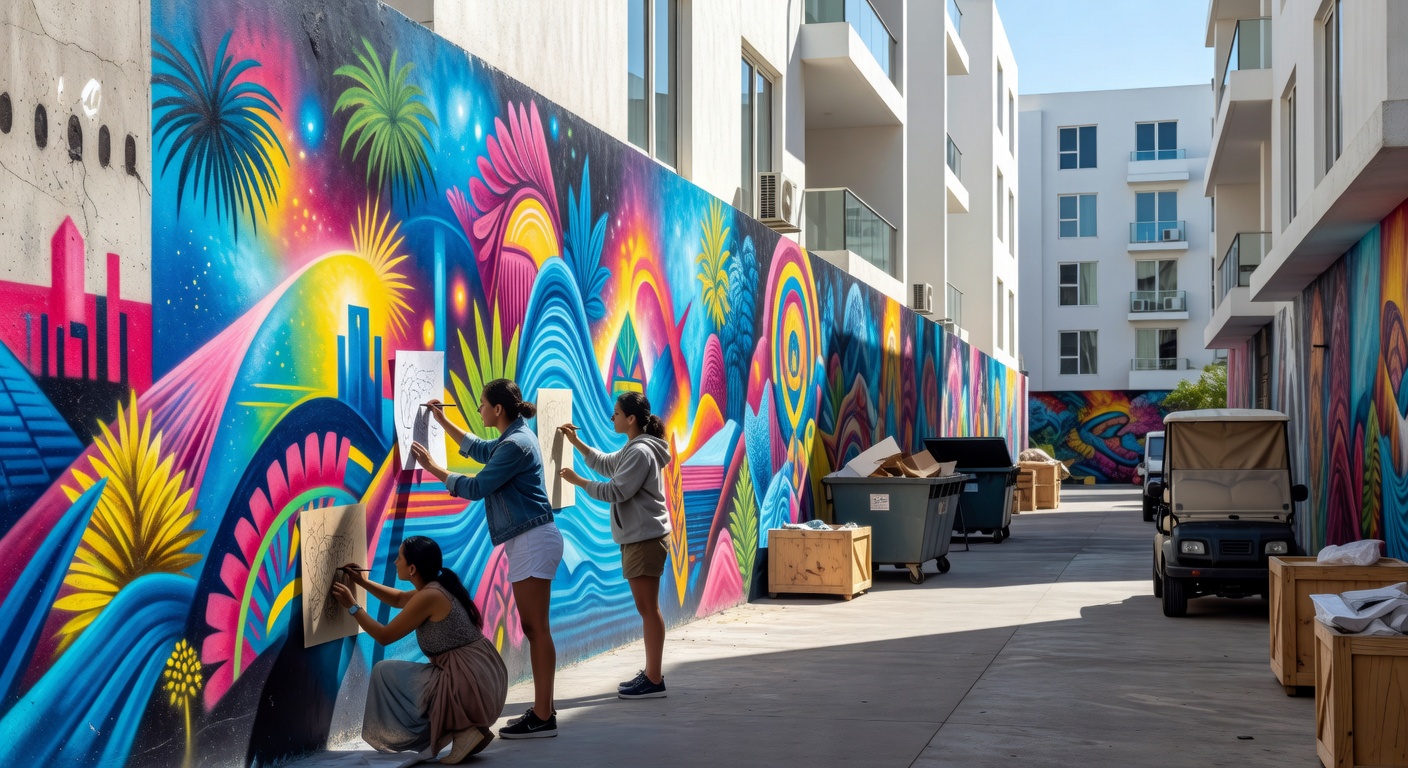
Local and visiting artists receive commissions through resort-sponsored programs that emphasize durable acrylics and UV-protective coatings suited to desert conditions, and these collaborations often involve multiple contributors who divide wall sections according to thematic elements. One documented project from 2024 featured layered geometric forms that reference both modern architecture and traditional petroglyph styles, while another series incorporated metallic pigments that shift appearance under different lighting conditions. Industry reports from the Nevada Arts Council show that such programs have engaged more than 40 artists annually in recent years, with many receiving support for preliminary sketches and site preparation.
Techniques range from freehand aerosol application to stencil overlays and mosaic inserts, and crews apply protective varnishes that extend lifespan against sand abrasion and temperature fluctuations. Observers note that artists frequently embed small QR codes into compositions, and these direct viewers to digital archives containing process videos and artist statements hosted on municipal cultural platforms.
Developments Scheduled for May 2026
Planning documents released by the Las Vegas Metropolitan Police Department and tourism partners outline expanded access windows for May 2026 that coincide with an urban arts festival organized in partnership with resort operators. During this period, temporary lighting installations will highlight select alley murals between 8 p.m. and midnight on designated weekends, and shuttle services will operate from central transit hubs to reduce vehicle congestion in narrow service corridors. Figures from the festival organizing committee project participation from 12 additional artists who will add new works to existing alley walls, and educational workshops will cover mural documentation methods for attendees.
Traffic management protocols will route service deliveries around peak viewing times, and security personnel will monitor pathways to maintain safety without restricting approved public access. These measures build on earlier pilot programs that demonstrated increased foot traffic without corresponding rises in reported incidents, according to consolidated city safety data.
Preservation Efforts and Future Documentation
Archivists at the University of Nevada, Las Vegas maintain photographic records of mural changes over time, and they cross-reference these with permit applications to track stylistic shifts across different resort zones. Conservation guidelines recommend annual inspections for paint adhesion and color fading, while digital scanning projects create three-dimensional models that support virtual tours when physical access becomes restricted. Partnerships with international urban art networks facilitate knowledge exchange on materials tested in comparable arid climates, and these exchanges have informed local choices regarding pigment stability.
Conclusion
Service alley murals behind resort properties continue to expand through structured permitting and artist engagement programs that balance operational needs with creative output. Documentation tools and scheduled access events in periods such as May 2026 provide structured opportunities for viewing, and ongoing record-keeping supports long-term preservation of these site-specific works. Those who map the routes gain insight into how hidden urban spaces integrate visual art into the daily rhythms of resort operations, and updated municipal resources ensure that information remains current for future tracing activities.