Tracing How Convention Expansions Redirect Foot Traffic Through Adjacent Retail Plazas and Dining Hubs
Written by Tina Vogel · Jul 21, 2026
Tracing How Convention Expansions Redirect Foot Traffic Through Adjacent Retail Plazas and Dining Hubs
Las Vegas convention expansions have altered movement patterns across the Strip and surrounding zones for years, and observers note that larger facilities draw crowds that spill into nearby retail plazas and dining hubs during peak events. Data from the Las Vegas Convention and Visitors Authority shows attendance figures rising steadily, with major gatherings pushing visitors beyond primary venues and into connected commercial corridors where shops and restaurants absorb the overflow.
Expansion Projects Reshaping Pedestrian Routes
Construction at the Las Vegas Convention Center added significant square footage in recent phases, and this growth directs attendees through designated walkways that connect directly to adjacent retail plazas. Those who've studied traffic patterns at similar sites report that expanded halls create natural funnels, guiding groups past gaming floors and into plazas where vendors set up temporary displays to capture lingering foot traffic. Studies from the University of Nevada, Las Vegas found measurable increases in plaza occupancy rates during large conventions, with pedestrian counts climbing by double digits when events overlap with evening dining hours.
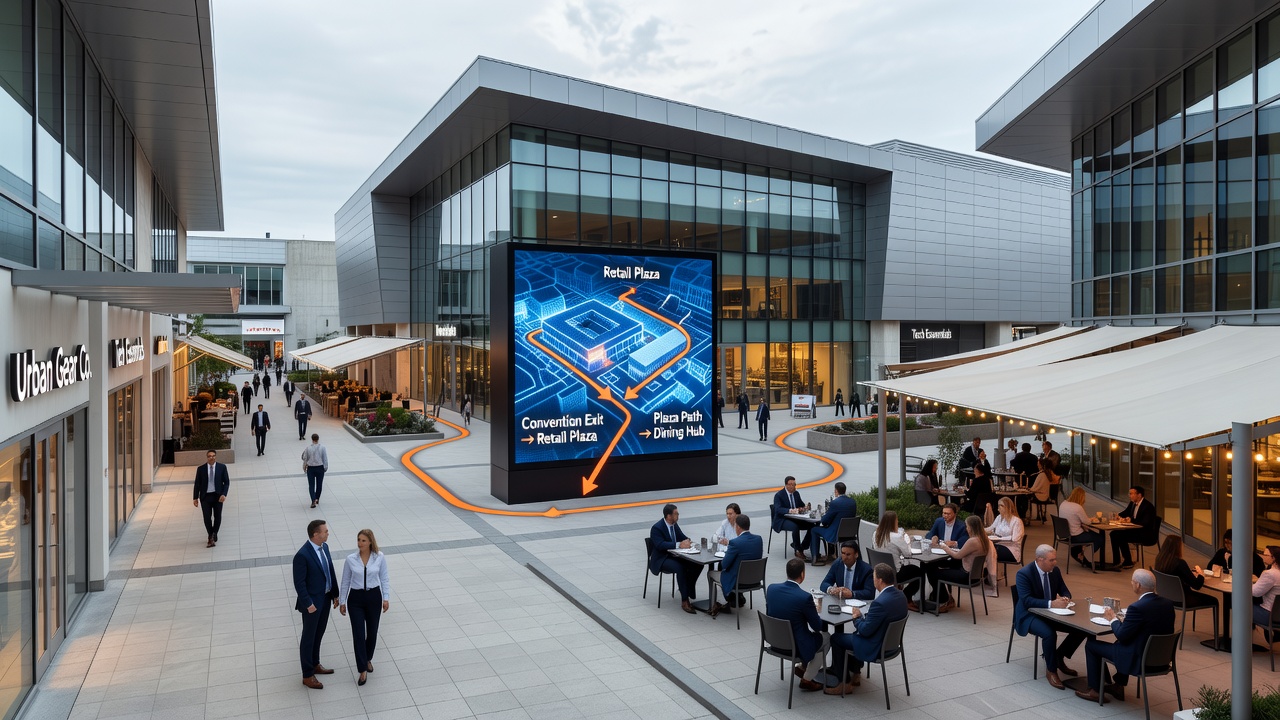
Planners incorporate signage and digital wayfinding that encourages exploration of these secondary areas, yet the sheer volume of attendees creates organic redirection without additional prompting. Figures reveal that during multi-day conferences, retail plazas near the center experience sustained activity from 10 a.m. through late evening, while dining hubs report extended service periods to accommodate the influx.
Retail Plazas Absorbing Increased Visitor Volumes
Adjacent retail plazas benefit from convention schedules that release attendees in waves, and this timing aligns with shopping windows that keep stores active longer than standard hours. One study revealed that plazas linked by pedestrian bridges or covered walkways see the strongest redirection effects, with foot traffic metrics showing clear spikes tied to convention session breaks. Vendors in these zones adjust inventory based on attendee demographics, stocking items that appeal to business travelers and leisure visitors alike.
During periods of high attendance, plazas function as decompression zones where people pause between meetings and evening activities, and this behavior supports consistent sales data across multiple expansion cycles. Researchers discovered that connectivity improvements, such as wider sidewalks and enhanced lighting, further encourage movement into these retail spaces rather than direct returns to hotel properties.
Dining Hubs Responding to Redirected Crowds
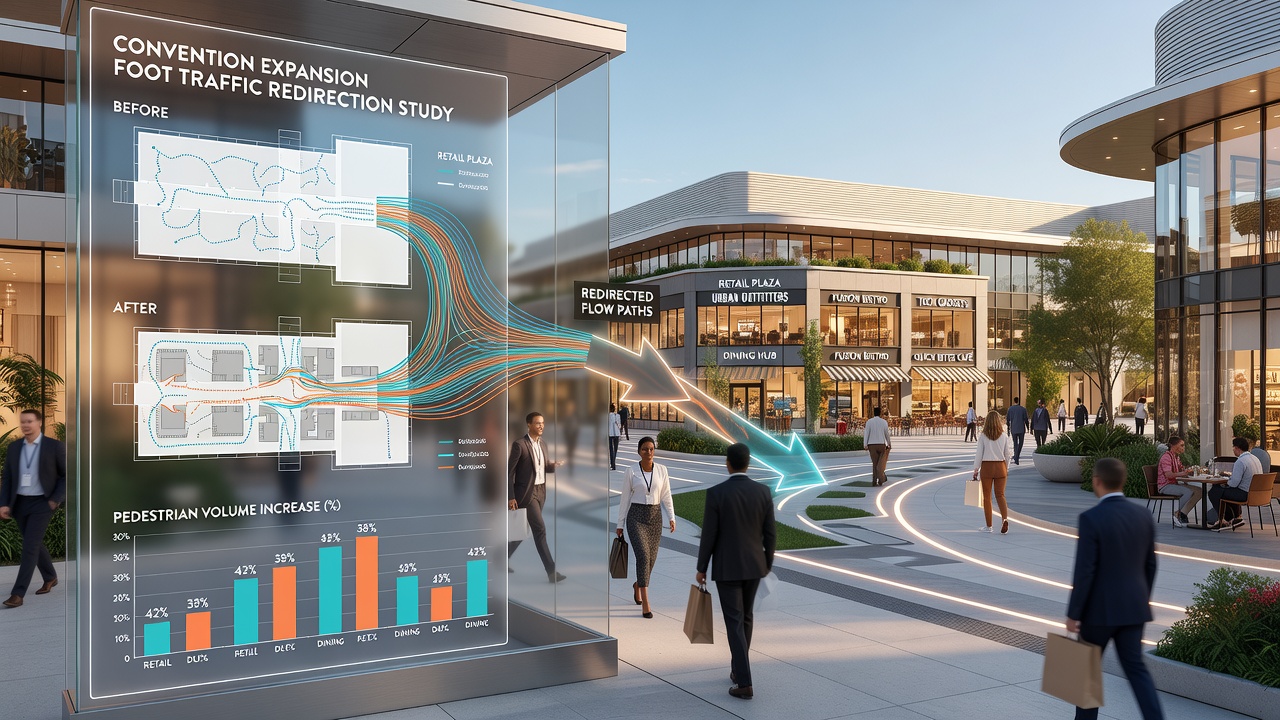
Dining hubs near expanded convention facilities adapt by extending hours and modifying menus to handle surges in group reservations, while data shows reservation systems handling higher volumes during convention weeks. Those who've examined operational records note that establishments positioned along primary pedestrian routes from the center capture the majority of redirected traffic, creating predictable patterns that kitchen staff use for preparation planning. What's interesting is how these hubs maintain service flow even when visitor numbers exceed typical projections, relying on established supply networks that deliver ingredients on accelerated schedules.
July 2026 marks the anticipated completion of additional convention space that industry reports project will further intensify these redirection effects, with preliminary models indicating elevated activity in surrounding plazas and dining areas. According to projections shared by regional planning groups, the added capacity will channel more attendees through existing pathways, sustaining the established movement trends observed in prior expansions.
Coordination Between Venues and Surrounding Commercial Zones
Venue operators collaborate with plaza and restaurant management to align event calendars, and this coordination produces synchronized adjustments in staffing and promotions that match expected foot traffic volumes. Evidence suggests that shared data on attendee flows allows businesses to anticipate peak periods without relying on guesswork, while transportation links such as shuttles and moving walkways reinforce the pathways leading outward from convention halls.
Those monitoring these systems observe that digital updates to wayfinding tools play a supporting role, gently steering groups toward retail and dining options during transition times between sessions. The result appears in consistent occupancy reports across connected commercial zones, where activity levels track closely with convention calendars rather than fluctuating independently.
Conclusion
Convention expansions continue to influence how visitors navigate Las Vegas commercial landscapes, channeling movement through established retail plazas and dining hubs in measurable ways. Ongoing data collection by local authorities and academic partners tracks these patterns, providing clear records of how facility growth connects with surrounding business activity. As new space comes online, the documented redirection effects offer a factual basis for understanding visitor distribution across the broader area.