Theme Park Expansions at Resort Sites Reshaping Family Visitor Routes and Multi-Day Itineraries Across the Entertainment Corridor
Written by Tina Vogel · Jul 2, 2026
Theme Park Expansions at Resort Sites Reshaping Family Visitor Routes and Multi-Day Itineraries Across the Entertainment Corridor
Theme park expansions at resort sites along the Las Vegas entertainment corridor continue to alter how families map their visits and structure multi-day stays as new attractions integrate directly with hotel properties and surrounding transit networks. Data from the Las Vegas Convention and Visitors Authority shows family visitation to corridor resorts rose by 18 percent between 2023 and 2025, with many groups extending stays from three nights to five or more when theme park access factors into planning. These developments connect indoor and outdoor experiences through pedestrian bridges, shuttle loops, and timed entry systems that guide movement between gaming floors, dining venues, and ride areas without requiring separate transportation arrangements.
Expansion Projects and Their Integration Points
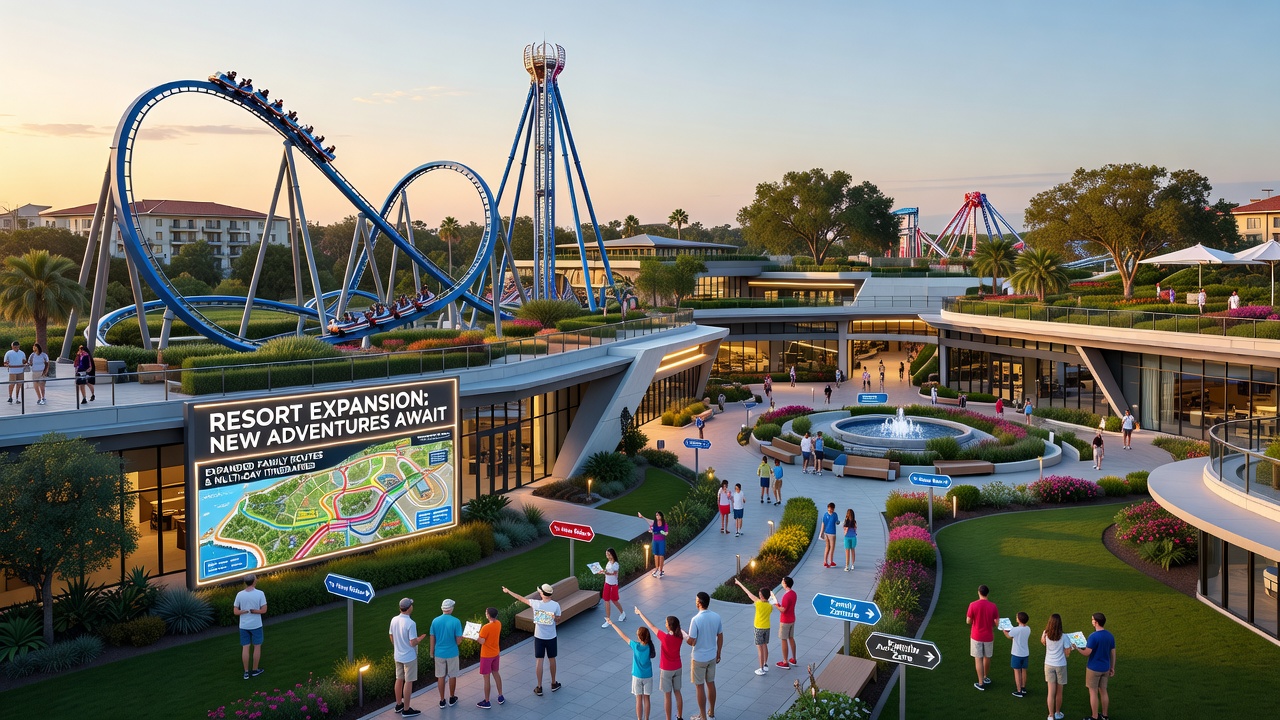
Resort operators have added new coaster tracks, interactive zones, and water features that link to existing hotel towers, creating continuous paths where visitors move from check-in areas straight into park queues. One project completed its first phase in late 2025 and added a 12-acre extension that funnels guests from multiple resort lobbies through climate-controlled walkways, reducing street-level crossings during peak summer months. Another site opened an adjacent garden-themed area in early 2026 that ties into the main park via a dedicated monorail spur, allowing families to split days between thrill rides and quieter exhibits while maintaining the same room key access for re-entry privileges.
These additions coincide with broader corridor infrastructure upgrades, including expanded parking structures that feed directly into theme park entrances and timed shuttle services running every eight minutes between connected properties. Figures released by the Nevada Resort Association indicate that 42 percent of multi-day family bookings now include at least one park admission bundled with hotel stays, a shift from previous patterns where separate day tickets dominated sales channels.
Impact on Daily Routing Patterns
Visitor flow data collected through resort mobile apps reveals that families increasingly route mornings toward newer expansion zones before crowds build, then transition to indoor gaming or retail corridors during midday heat. In July 2026, operators plan to test dynamic routing alerts that push notifications when certain pathways reach capacity, directing groups toward alternate entrances connected to secondary hotel towers. Such systems build on existing wayfinding kiosks already installed at several properties and aim to distribute attendance across multiple access points throughout the day.
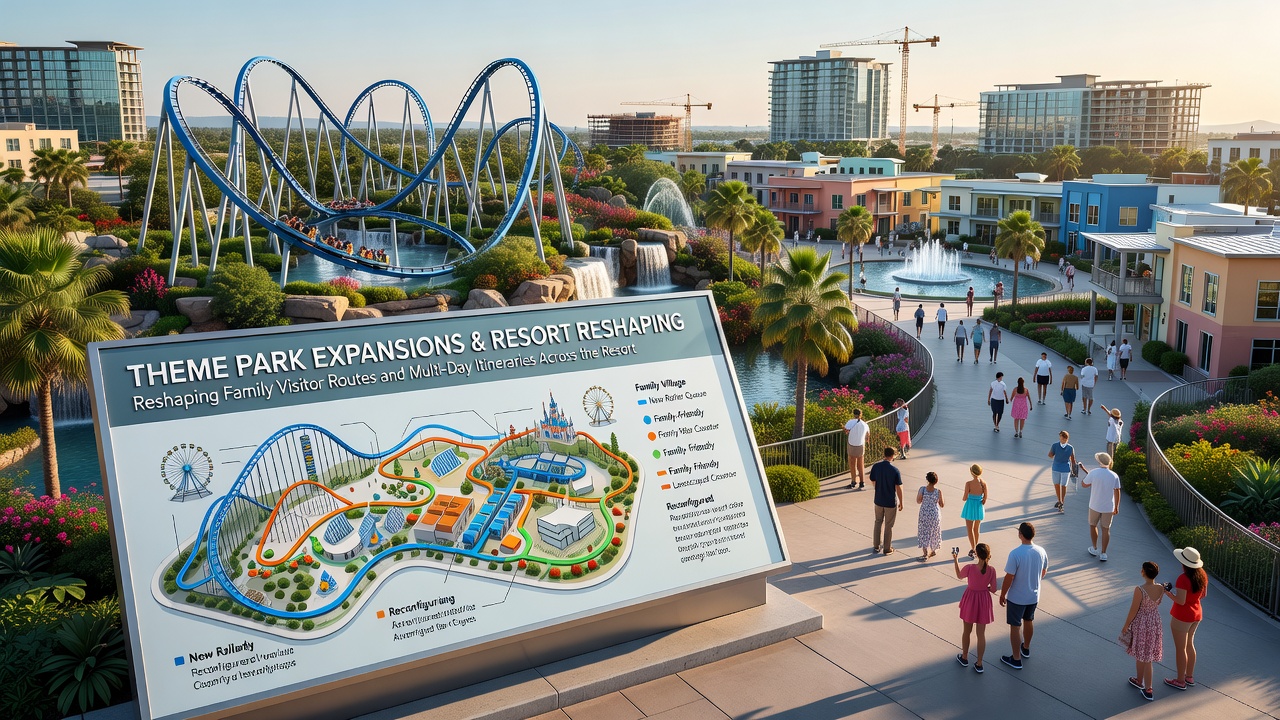
Observers tracking foot traffic patterns note that expanded parks have lengthened average on-site dwell times from four hours to nearly seven, prompting resorts to adjust meal reservation windows and evening show schedules accordingly. Transportation logs from corridor shuttle providers show increased usage of inter-property loops during late afternoons as families return to rooms before heading out again for dinner or entertainment options located outside the immediate park footprint.
Multi-Day Itinerary Adjustments
Travel planners report that packages now commonly spread park visits across non-consecutive days to accommodate rest periods and other corridor activities such as pool time or nearby shows. A study conducted by researchers at the University of Nevada, Las Vegas found that families booking five-night packages allocated 2.3 days on average to expanded theme park areas while reserving remaining time for dining experiences and retail corridors that sit adjacent to resort entrances. This distribution reduces consecutive-day fatigue and allows groups to revisit favorite rides without purchasing additional single-day tickets.
Resort loyalty programs have introduced tiered benefits that reward multi-day park usage with priority boarding and discounted add-on experiences, further encouraging longer corridor stays. Booking platforms integrated with these programs display suggested daily sequences that factor in park hours, shuttle schedules, and neighboring attraction capacities to help visitors avoid backtracking between distant sections of the entertainment corridor.
Transit and Accessibility Considerations
Expanded parks have prompted updates to pedestrian pathways and accessibility features, including wider stroller lanes and additional elevator banks that connect hotel floors directly to park levels. Corridor transit studies show a 27 percent increase in families using shared-ride options between resort clusters when theme park visits span multiple properties, as direct connections via new bridges eliminate the need for separate vehicle rentals or taxi arrangements.
July 2026 marks the rollout of a pilot program at three major sites where families can preload digital itineraries onto resort apps that sync with real-time park wait times and shuttle availability. Early testing indicates these tools help groups adjust routes mid-day when expansion areas reach capacity, guiding them toward less crowded sections of connected retail and dining zones instead.
Conclusion
Theme park expansions continue to integrate more tightly with resort infrastructure, producing measurable shifts in how families navigate the entertainment corridor and organize their multi-day visits. Available data and operational reports document changes in routing efficiency, stay duration, and activity sequencing that align with these developments, while ongoing infrastructure adjustments aim to manage resulting visitor volumes across connected sites.