The Synchronized Supply Chains Delivering Rare Botanicals to Resort Conservatories and Garden Exhibits
Written by Ben Reed · Jun 6, 2026
The Synchronized Supply Chains Delivering Rare Botanicals to Resort Conservatories and Garden Exhibits
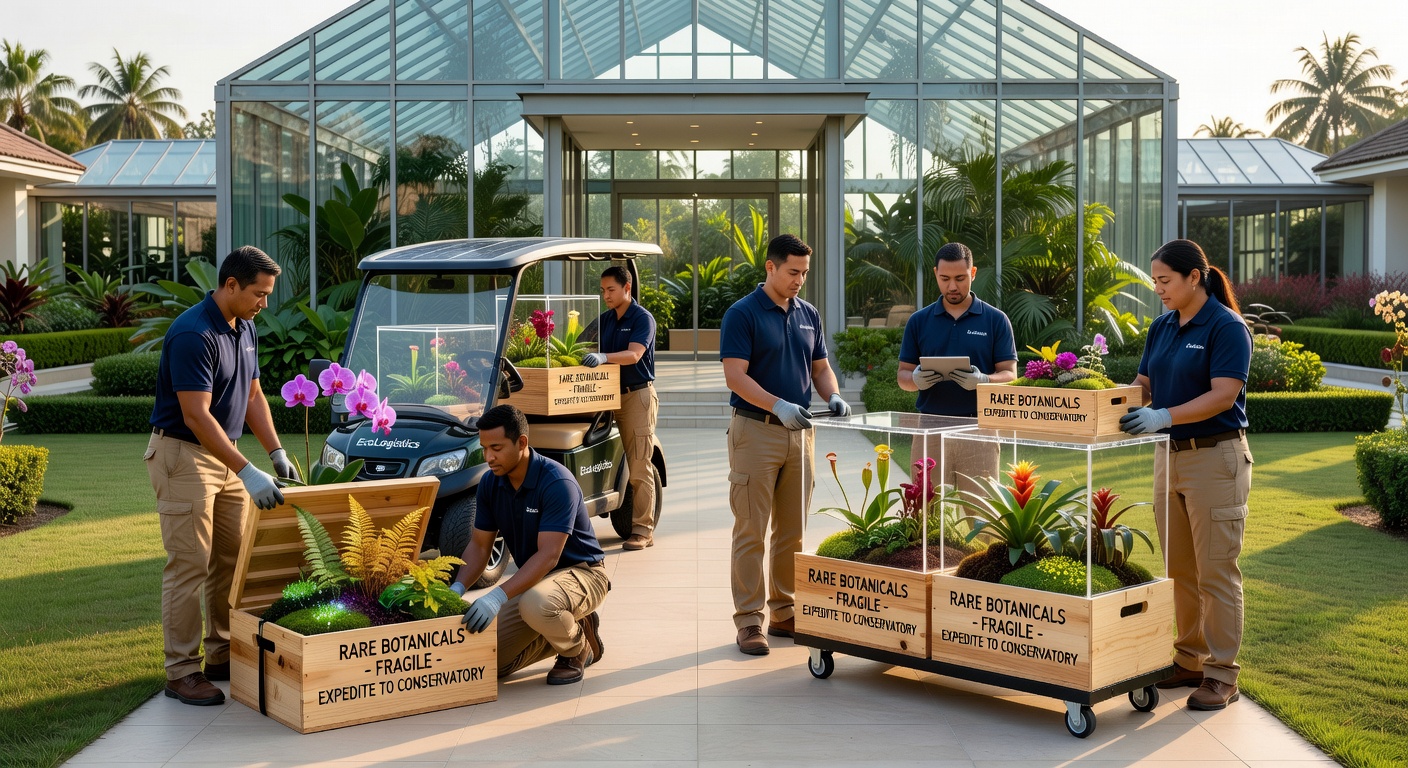
Las Vegas resort conservatories rely on tightly coordinated supply networks that source rare botanicals from specialized growers across multiple continents, then move those plants through climate-regulated transport systems into rotating garden exhibits. These operations synchronize planting cycles, shipping schedules, and installation timelines to align with seasonal displays that change multiple times each year.
Global Sourcing Networks
Suppliers in regions such as Southeast Asia, South America, and Australia cultivate species including rare orchids, bromeliads, and desert succulents under controlled greenhouse conditions that replicate the exact humidity and temperature ranges required for long-distance survival. Growers maintain detailed propagation records that track each plant's origin, health certifications, and genetic lineage, which customs officials review before clearance at ports of entry. Data from the United States Department of Agriculture shows that Nevada facilities import thousands of specimens annually through designated agricultural inspection stations that verify compliance with phytosanitary standards.
Coordinators at resort properties schedule advance orders six to nine months ahead so that growers can prepare mature specimens ready for immediate installation upon arrival. This forward planning prevents gaps in exhibit continuity while allowing time for quarantine periods that last up to thirty days in some cases. Observers note that synchronization extends to weather monitoring, because sudden temperature shifts during transit can trigger fungal issues that compromise entire shipments.
Climate-Controlled Logistics
Once plants clear inspection, specialized freight carriers transfer them into refrigerated or humidity-stabilized containers for the final leg to Las Vegas. Trucks equipped with redundant cooling systems maintain consistent environments during the drive from California ports or direct flights into McCarran International Airport. Staff members at distribution hubs cross-reference arrival times with greenhouse readiness so that unloading crews can move specimens directly into acclimation rooms without exposure to dry desert air.
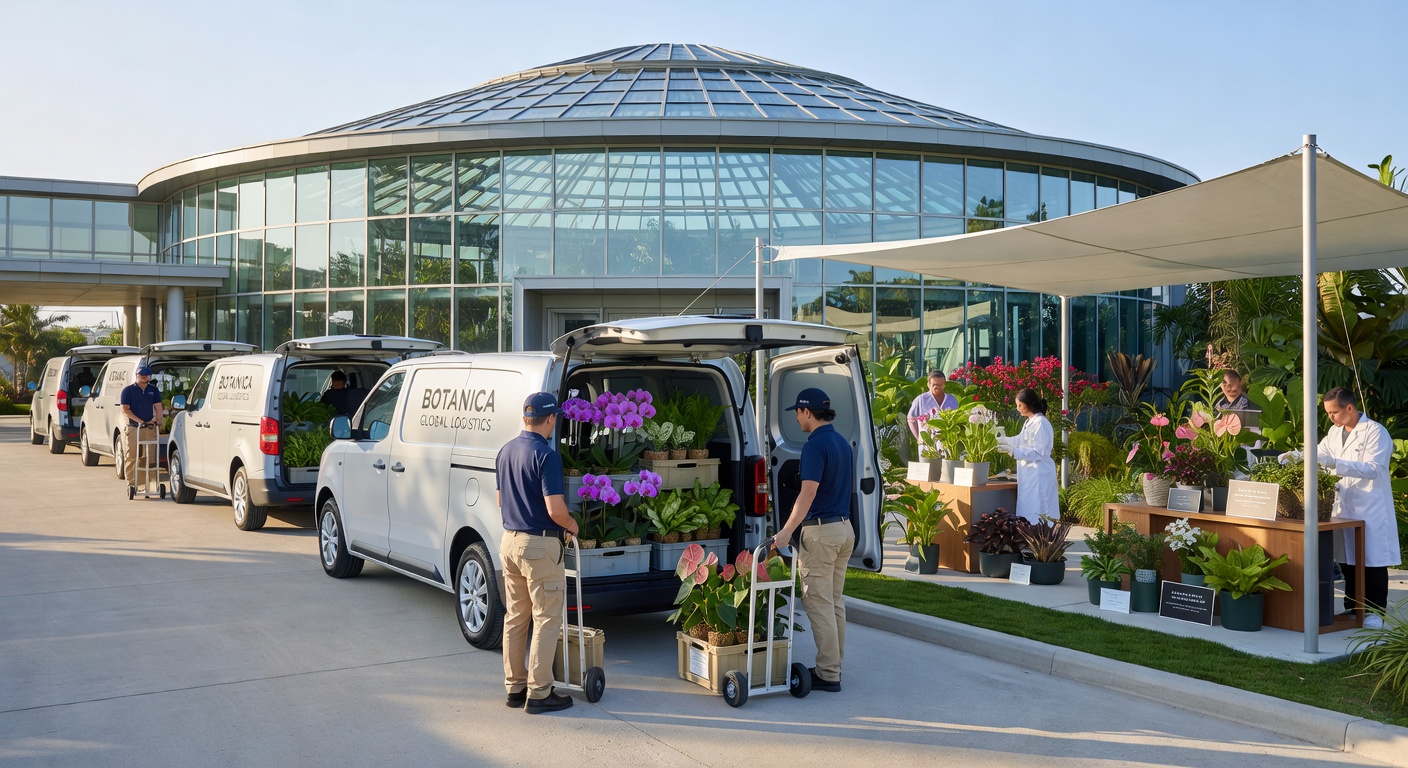
Resort horticulture teams then stage the plants according to pre-designed layouts that account for growth rates and color cycles. Software platforms track each specimen's location, watering schedule, and replacement timeline, which allows managers to forecast when new stock must depart from overseas nurseries. In June 2026, several properties plan synchronized deliveries of night-blooming tropical varieties timed to coincide with extended evening exhibit hours.
Regulatory Compliance and Traceability
Every shipment must satisfy international agreements such as the Convention on International Trade in Endangered Species, which requires permits that document sustainable harvesting practices. Australian Department of Agriculture records indicate that exporters of protected Australian flora now use digital tagging systems that link each plant to its collection site and permit number. Similar traceability protocols operate through Canadian and European Union agricultural authorities, creating a layered verification process that reduces the risk of introducing invasive pests into Nevada's controlled environments.
Resort operators maintain internal databases that cross-check supplier credentials against these regulatory lists before placing orders. When discrepancies appear, procurement teams reroute shipments to alternative certified growers rather than delay exhibit openings. This redundancy keeps the overall network resilient even when individual suppliers face weather disruptions or certification delays.
Installation and Maintenance Synchronization
Once plants reach the conservatory floor, installation crews work from detailed diagrams that specify spacing, elevation, and lighting angles. Technicians adjust automated irrigation and misting systems to match each species' requirements, then monitor sensor data for the first seventy-two hours to confirm acclimation. Maintenance schedules align with supplier lead times so that replacement stock arrives before any specimen shows signs of stress.
These overlapping timelines create a continuous loop where harvesting at distant nurseries, ocean and air freight movements, local quarantine, and on-site placement operate as linked phases of a single production calendar. Research from university extension programs has documented how such coordination reduces plant mortality rates compared with less structured sourcing methods.
Conclusion
The synchronized supply chains that support Las Vegas resort conservatories integrate international growers, regulatory checkpoints, specialized transport, and precise installation protocols into a system designed for year-round exhibit rotation. Continued refinement of tracking technologies and climate controls sustains the flow of rare botanicals that define these distinctive garden spaces.