The Secret Language Of Dealer Signals Coordinating Security Across Gaming Tables
Written by Tina Vogel · Jul 25, 2026
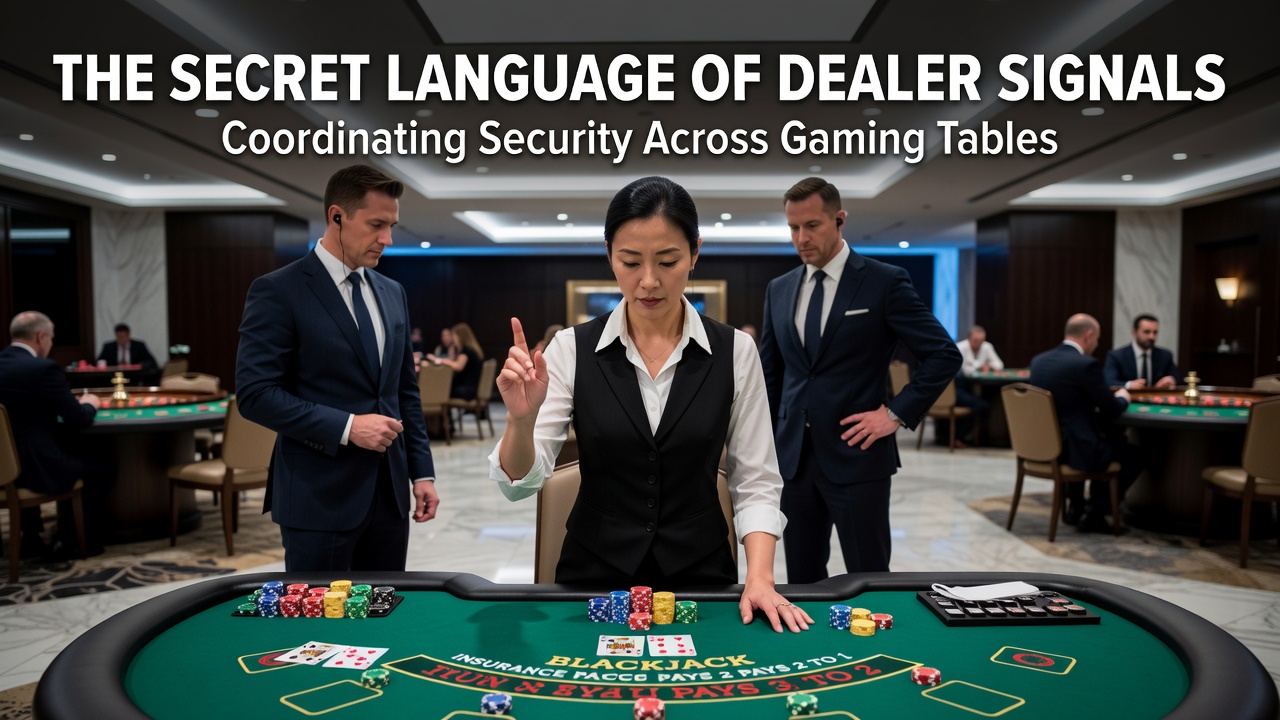
The Secret Language Of Dealer Signals Coordinating Security Across Gaming Tables
Dealers in gaming establishments rely on a system of non-verbal cues that coordinate security responses without disrupting play or alerting participants at the tables, and these signals form a standardized protocol developed through decades of operational refinement in regulated environments. Observers note that such gestures allow pit staff to communicate issues ranging from suspected card counting to equipment malfunctions while maintaining the flow of games like blackjack and roulette. Research from gaming regulatory bodies indicates that these methods reduce response times during incidents by enabling immediate alerts to floor supervisors and surveillance teams.
Core Mechanics of Dealer Gestures
Standard signals include specific taps on the table edge, finger placements along chip stacks, and brief eye movements directed toward security cameras, each assigned distinct meanings within casino training manuals that vary slightly by property yet follow core conventions established across major jurisdictions. Data from the Nevada Gaming Control Board shows that consistent use of these cues helps synchronize actions between dealers and pit bosses, particularly when multiple tables require simultaneous monitoring during peak hours. Those who study casino operations find that signals often combine with verbal codes spoken in low tones, creating layered communication that covers both routine adjustments and urgent security matters.
Training programs for new dealers dedicate multiple sessions to mastering these gestures, and certification records from state agencies confirm that employees must demonstrate accurate recall under simulated pressure before advancing to live tables. In July 2026 updates to surveillance integration guidelines, several properties incorporated additional modules on adapting signals for hybrid environments where digital overlays assist human observers. Experts have observed that repetition during shift briefings reinforces retention, while periodic audits verify compliance across dealer rotations.
Coordination With Broader Security Networks
Signals extend beyond individual tables to link with overhead camera systems and centralized command centers, allowing security personnel to direct resources without drawing attention from players or bystanders. According to reports compiled by the American Gaming Association, properties using integrated signaling protocols experience fewer unresolved discrepancies in chip counts and game outcomes. One documented case revealed that a coordinated alert sequence at a multi-table poker tournament enabled rapid intervention when irregular betting patterns emerged, limiting potential losses before escalation occurred.
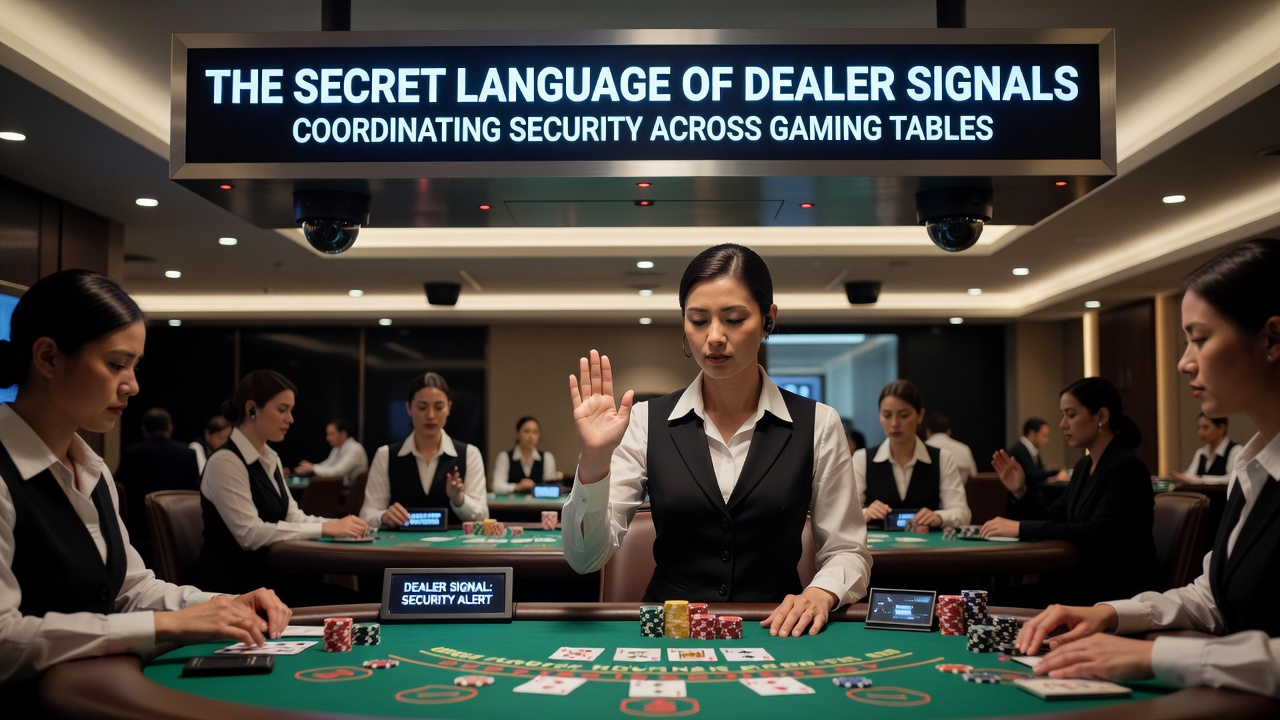
Cross-table coordination becomes essential in larger pits where dealers at adjacent stations can relay information about shared players or suspicious movements, and this network relies on standardized hand positions that remain visible yet discreet. Studies conducted by university researchers in hospitality management highlight how these practices align with broader risk management frameworks required by licensing authorities. What's interesting is that electronic aids such as discreet buttons under tables now supplement traditional gestures in some venues, though human interpretation still governs final decisions on when to summon additional staff.
Adaptations Across Game Types and Jurisdictions
Blackjack dealers employ distinct sequences for indicating soft totals or player decisions that might require verification, whereas roulette croupiers use different motions tied to wheel monitoring and bet validation. Regulatory filings from Canadian provincial gaming commissions demonstrate that similar systems operate in international markets, with adjustments made for local rules and cultural considerations. Those who've examined dealer manuals across regions note that core elements persist because they reduce ambiguity during high-stakes moments.
Seasonal fluctuations in visitor volume prompt temporary modifications to signaling frequency, and operational logs indicate heightened use during major events when table density increases. Industry reports emphasize ongoing refinement through joint reviews between security teams and compliance officers, ensuring signals evolve alongside changes in game offerings and technology platforms.
Conclusion
The established language of dealer signals continues to support coordinated security responses throughout gaming floors by providing reliable, low-profile channels for information transfer. Figures from regulatory submissions reveal steady investment in training and system updates that maintain effectiveness amid shifting operational demands. Observers continue to document how these protocols integrate with emerging tools while preserving the foundational practices that have sustained casino security for generations.