The Ripple Effects of High-Profile Wedding Venues on Nearby Boutique Retail Inventories in Resort Properties
Written by Uma Hartmann · Aug 13, 2026
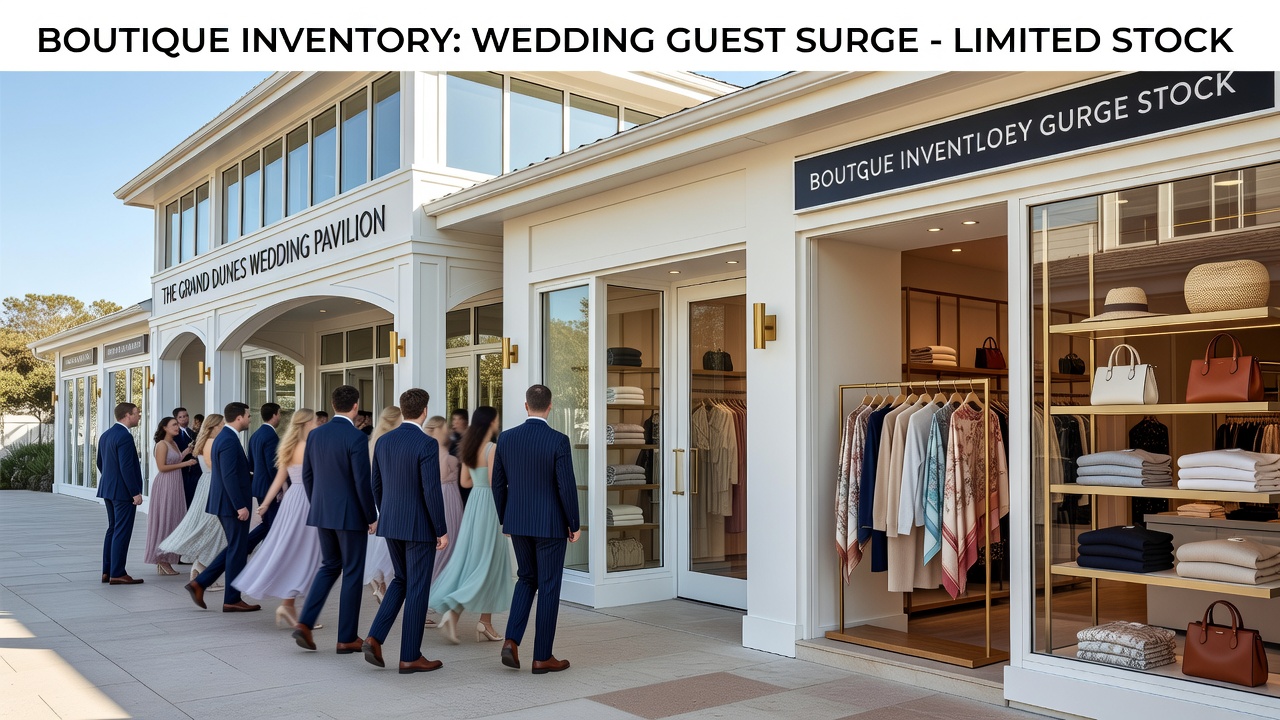
The Ripple Effects of High-Profile Wedding Venues on Nearby Boutique Retail Inventories in Resort Properties
High-profile wedding venues inside major resort properties generate consistent visitor traffic that alters inventory patterns in adjacent boutique retail outlets, and data from tourism monitoring programs show these shifts occur through predictable cycles tied to event schedules. Resorts across Las Vegas integrate wedding chapels and ballrooms that host ceremonies drawing couples and their guests, while nearby shops adjust stock levels for items such as formal accessories, giftware, and commemorative goods to match the resulting demand patterns.
Visitor Influx and Retail Adjustments
Wedding events at resort properties concentrate groups of attendees in specific corridors, and this concentration prompts boutique operators to monitor foot traffic data from property management systems. Retailers increase orders for products like personalized jewelry and small home decor pieces during peak booking periods, whereas they reduce quantities of unrelated seasonal apparel to free shelf space. Observers note that these adjustments happen within days of published wedding calendars released by resort event teams.
August 2026 records show an uptick in mid-week ceremonies at several Strip resorts, and figures from the Las Vegas Convention and Visitors Authority indicate corresponding rises in daytime retail visits near those venues. Boutique staff members report reallocating display areas to highlight gift sets and photo frames, while maintaining core inventory of resort-branded souvenirs that appeal to both wedding parties and regular resort guests.
Inventory Patterns in Specific Merchandise Categories
Boutique inventories near wedding venues expand selections of items that serve dual purposes as wedding favors and travel mementos, and this expansion includes coordinated color schemes that match common bridal palettes. Suppliers deliver smaller batch sizes more frequently to accommodate rapid turnover, whereas standard restocking intervals stretch for categories such as casual resort wear that see less interest during wedding clusters.
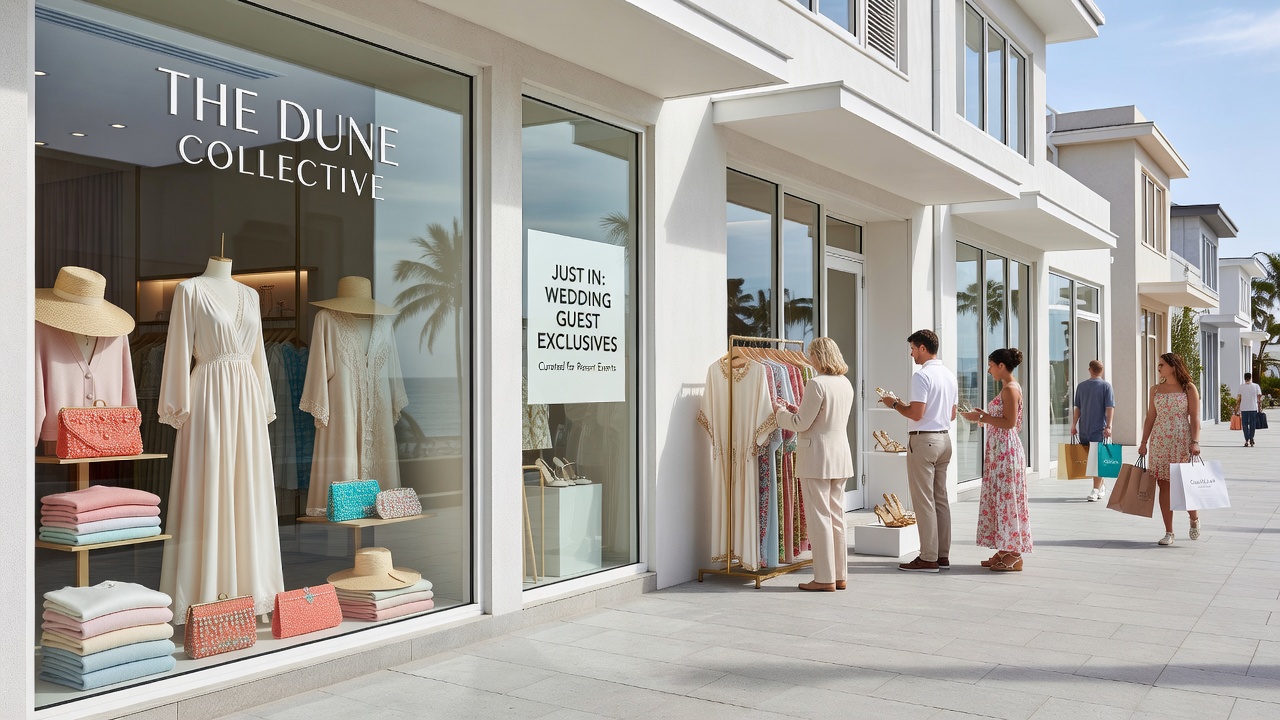
Research from the University of Nevada, Las Vegas hospitality programs tracks how these inventory rotations affect overall stock turnover rates, and the studies reveal that boutiques positioned within 200 meters of active wedding spaces experience measurable changes in product mix every quarter. Managers coordinate with resort procurement teams to align deliveries with known event dates, which reduces instances of overstock in non-wedding items.
Supply Chain Responses and Vendor Coordination
Vendors supplying resort boutiques receive advance notifications from event planners, and this communication allows them to prepare specialized shipments of items such as custom-engraved keepsakes or limited-edition fragrances. The coordination extends to logistics teams that route deliveries through service corridors to avoid disrupting guest areas during high-traffic wedding weekends.
According to reports compiled by the U.S. Travel Association, boutique retail outlets within integrated resort complexes demonstrate faster adaptation times compared with standalone shops, and this speed stems from shared data platforms that flag upcoming ceremonies. Retail operators in these settings therefore maintain tighter relationships with regional distributors who can fulfill short-notice requests for trending gift categories.
Seasonal and Event-Driven Fluctuations
Wedding venue utilization peaks during certain months, and August 2026 projections from resort calendars point to continued growth in destination events that pull additional retail activity into adjacent corridors. Boutique inventories respond by emphasizing portable, gift-friendly merchandise that travels well, while de-emphasizing larger furniture pieces or heavy apparel lines that move more slowly during those periods.
Property-wide analytics platforms capture correlations between ceremony attendance numbers and subsequent retail sales, and these datasets help managers forecast inventory needs with greater precision. Retailers who participate in these systems report fewer markdowns on unsold wedding-adjacent stock because they scale purchases to match documented event volumes.
Conclusion
High-profile wedding venues embedded in resort properties create measurable shifts in nearby boutique retail inventories through concentrated visitor patterns and coordinated supply responses. Data from tourism authorities and academic monitoring programs document these adjustments across merchandise categories and seasonal cycles, including those anticipated for August 2026. Boutique operators within these environments rely on shared event information and logistics networks to maintain alignment between stock levels and attendee demand.