The Hidden Mechanics of Costume Logistics Fueling Decade-Long Production Runs in Resort Theaters
Written by Noah Roth · Jun 2, 2026
The Hidden Mechanics of Costume Logistics Fueling Decade-Long Production Runs in Resort Theaters
Resort theaters in Las Vegas maintain elaborate costume systems that support shows running for ten years or longer, and those systems rely on coordinated logistics rather than simple storage. Production teams track thousands of individual garments through digital inventories while coordinating with specialized vendors who handle cleaning, alterations, and material replacements on fixed schedules. Data from the Las Vegas Convention and Visitors Authority shows that several resident productions have operated continuously since the early 2010s, requiring costume departments to replace or refurbish items multiple times without interrupting performance calendars.
Inventory Systems That Prevent Shortages
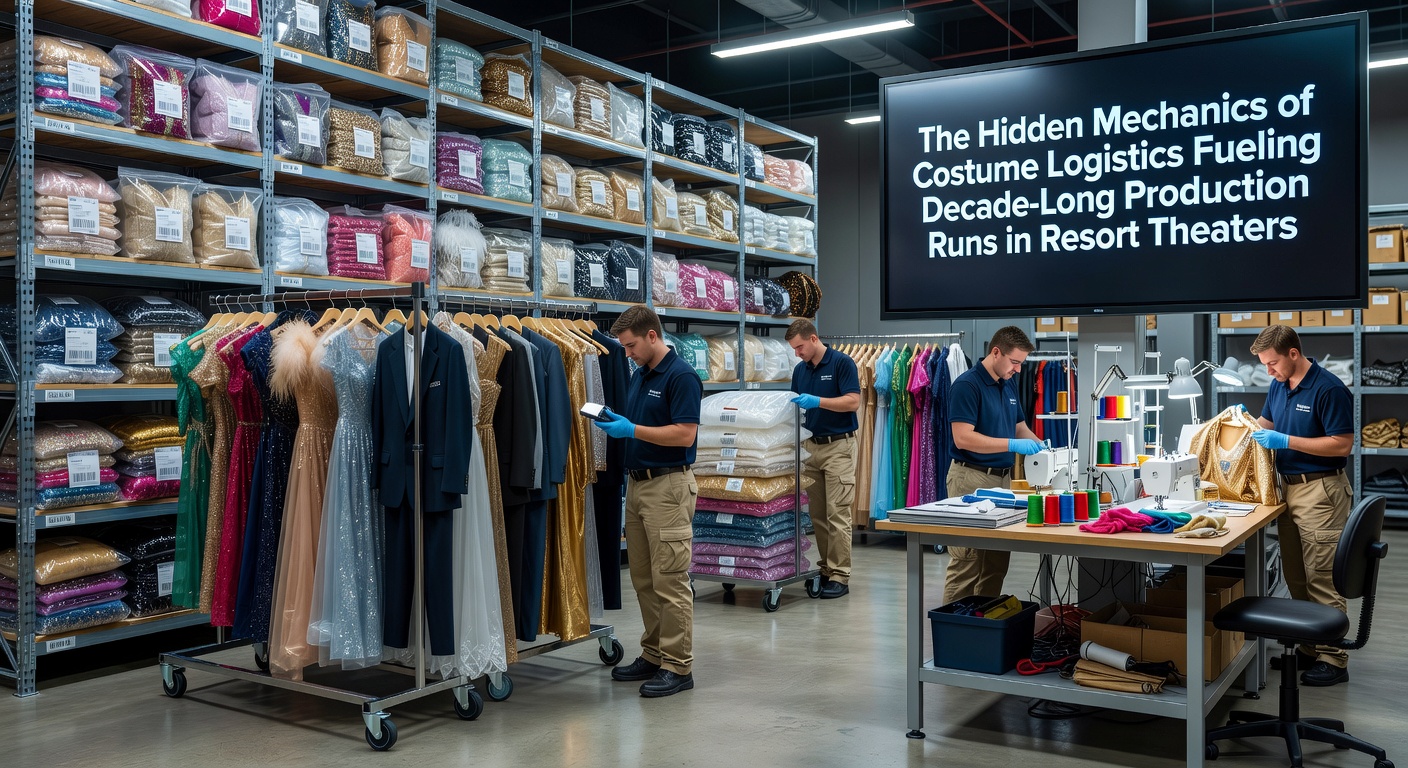
Each long-running show maintains a master database that records every costume piece by performance date, performer measurement, and wear cycle, while backup sets sit in climate-controlled vaults beneath the stage. Teams rotate primary and secondary garments every four to six weeks so that no single item experiences constant stage use, and this rotation extends fabric life by documented margins. Observers note that shows reaching their tenth anniversary have cycled through three or more complete sets of principal costumes, yet audiences see no visible change because replacement protocols match original specifications exactly.
Specialized Cleaning and Repair Networks
Costume maintenance happens through contracted facilities located both on-site and off-strip, where technicians use industrial equipment calibrated for beaded, feathered, and metallic fabrics that cannot withstand standard laundering. Repair logs track every stitch and replacement crystal so that visual consistency remains intact across years of daily performances, and many departments employ full-time seamstresses who work night shifts between shows. Research conducted by the University of Nevada, Las Vegas hospitality program indicates that preventive repair cycles reduce emergency downtime by more than 60 percent compared with reactive approaches.
Material Sourcing and Global Supply Chains
Resort theaters source replacement fabrics, trims, and hardware from suppliers across multiple continents, and they place standing orders that guarantee delivery windows aligned with planned refurbishment periods. When a specific sequin or dye lot becomes unavailable, logistics coordinators work with designers to approve substitutions that preserve color and movement under stage lighting, while maintaining records for future reference. This approach keeps productions running without visible alterations even when original suppliers discontinue lines, and it explains why decade-old shows retain their original visual signatures.
Storage, Transportation, and Cross-Venue Coordination
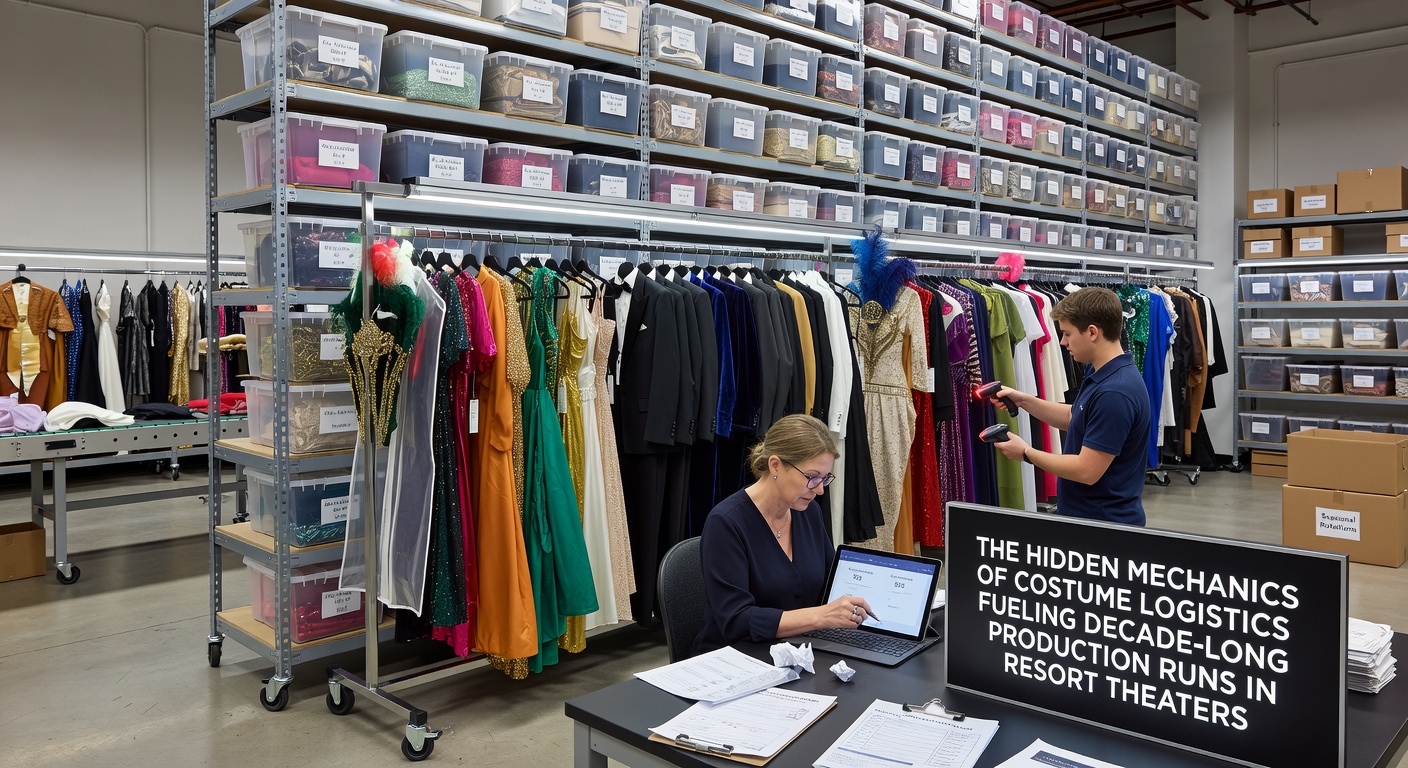
Many resort properties operate multiple theaters, and costume departments sometimes share climate-controlled storage or transport vehicles between venues during renovation periods. Specialized rolling racks and vacuum-sealed containers protect items during short moves across the property, while larger transfers between resorts use temperature-controlled trucks scheduled during daylight hours to avoid traffic delays. June 2026 projections from several production companies list continued operation for titles that first opened in 2015 and 2016, indicating that these logistics networks have reached a level of reliability that supports ongoing extensions.
Staff Training and Institutional Knowledge
Long-running productions retain experienced wardrobe supervisors who train new hires on the specific handling requirements of each garment type, and this accumulated knowledge reduces errors that could otherwise force last-minute substitutions. Supervisors maintain detailed manuals that include photographs of correct fit and placement, along with contact lists for emergency vendors who can produce duplicate pieces within 48 hours. Those procedures ensure continuity even when staff turnover occurs, and they contribute directly to the ability of shows to maintain performance quality across thousands of consecutive nights.
Conclusion
Costume logistics in Las Vegas resort theaters operate as an integrated system of inventory control, scheduled maintenance, global sourcing, and trained personnel that collectively enable productions to run for ten years or more without interruption. These behind-the-scenes processes remain invisible to audiences yet determine whether a show can sustain its visual standards across extended runs. Continued investment in tracking technology and supplier relationships supports the current generation of long-running productions and positions resort theaters to maintain similar timelines for new titles entering the market.