The Coordinated Timing of Firework Displays That Align with Major Holiday Celebrations and Attract Spectators to Specific Viewing Points Near the Strip
Written by Tina Vogel · Aug 11, 2026
The Coordinated Timing of Firework Displays That Align with Major Holiday Celebrations and Attract Spectators to Specific Viewing Points Near the Strip
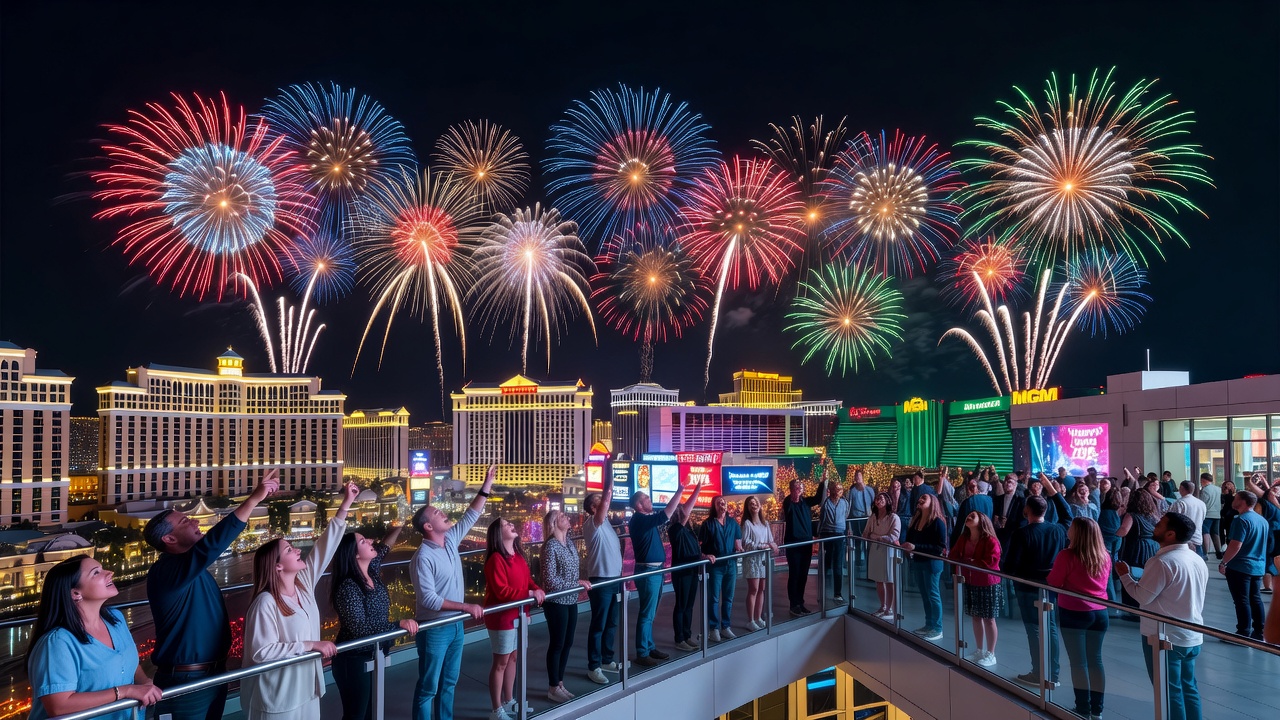
Firework displays along the Las Vegas Strip follow precise schedules that tie directly to major holidays such as New Year's Eve, the Fourth of July, and Chinese New Year, and these events draw large crowds to fixed viewing zones near the resort corridor. Organizers from multiple hotel properties work together through shared command centers that synchronize launch times down to the second, and this coordination prevents overlapping explosions while creating unified visual sequences visible from several blocks away. According to records maintained by the Las Vegas Convention and Visitors Authority, attendance at these synchronized shows has grown steadily over the past decade as visitors learn which intersections offer unobstructed sightlines without requiring paid tickets.
Key Holidays and Their Established Timelines
New Year's Eve features the longest sequence, with shells launched from rooftops at the stroke of midnight and additional barrages continuing for twelve minutes afterward, while the Fourth of July program typically begins at 9:00 p.m. and runs for twenty minutes across multiple sites. Chinese New Year displays incorporate red and gold color palettes that begin at 8:00 p.m. on the first day of the lunar calendar, and Labor Day shows follow a similar evening slot yet use cooler tones to mark the unofficial end of summer tourism peaks. Each date requires advance permitting through Clark County officials who review wind patterns, air traffic restrictions, and crowd capacity estimates submitted by participating resorts weeks before the event.
Logistics Behind the Synchronized Launches
Technicians positioned on hotel roofs communicate through encrypted radio channels that link pyrotechnic crews at properties from Mandalay Bay north to the Stratosphere, and these teams receive a master clock signal that triggers sequential ignition of pre-loaded mortars. Safety buffers of at least thirty seconds separate each property's opening volley so that smoke from one launch does not obscure the next, and this staggered approach creates the illusion of a continuous river of light stretching along the entire Strip. Data from previous seasons shows that average wind speeds above eight miles per hour can force last-minute adjustments to launch angles, a factor monitored in real time by meteorologists stationed at the command post.
Designated Viewing Points and Crowd Management
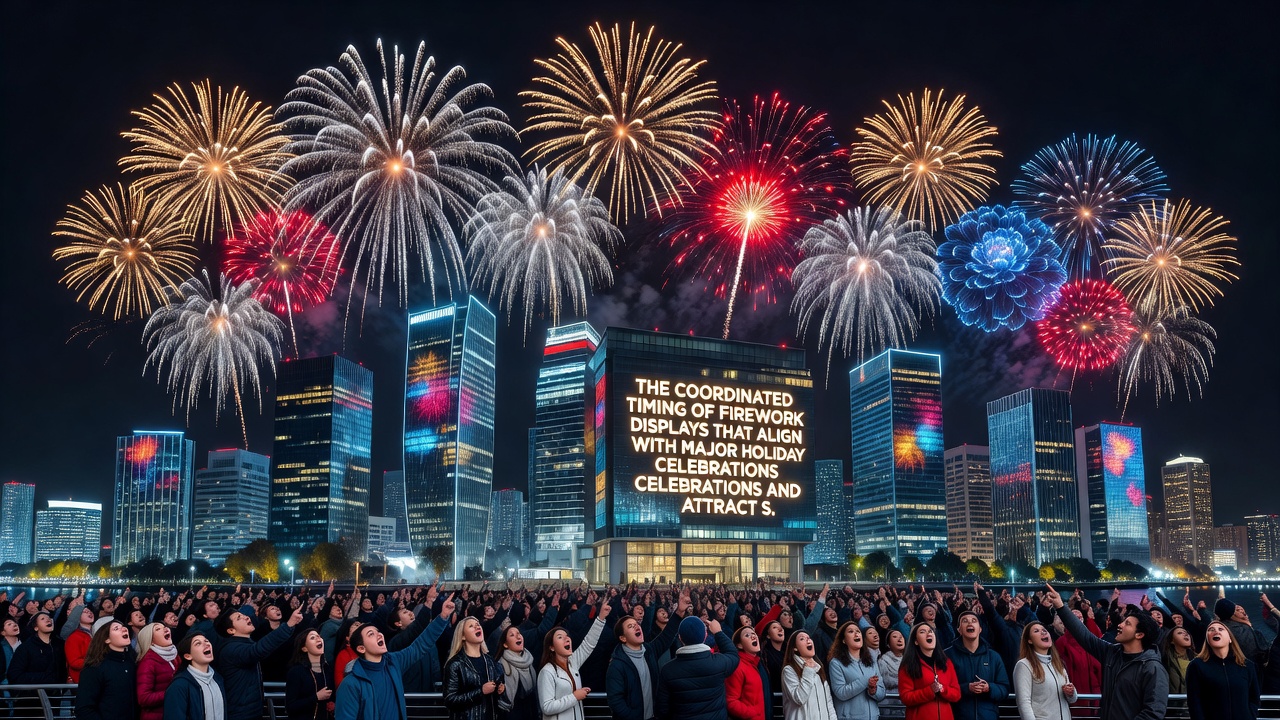
Authorities designate specific sidewalks and pedestrian bridges as primary viewing areas because these locations provide clear sightlines while keeping spectators away from active launch zones, and portable barriers plus additional lighting direct foot traffic away from vehicle lanes during peak hours. Fremont Street Experience occasionally coordinates a secondary program that begins thirty minutes after the Strip finale, giving visitors who miss the main event an alternative without requiring travel between districts. Traffic studies conducted by the Regional Transportation Commission indicate that pedestrian volumes near these viewing points can reach three times normal levels for up to ninety minutes after each show ends, prompting temporary one-way restrictions on adjacent streets.
Technology and Regulatory Oversight
Modern displays rely on computer-controlled firing systems that receive GPS time stamps from satellites, ensuring every shell leaves its tube at the exact moment specified in the master script, while backup manual triggers remain available in case of signal loss. The Bureau of Alcohol, Tobacco, Firearms and Explosives maintains federal licensing requirements for the operators, and Clark County Fire Department inspectors conduct on-site reviews of storage magazines and electrical wiring in the days leading up to each holiday. Reports compiled by the International Association of Venue Managers highlight that similar coordination models have been adopted in other large-scale resort destinations, although the Strip's linear layout presents unique challenges for maintaining visual continuity across multiple independent properties.
Effects on Local Tourism Patterns
Hotel occupancy rates near the Strip rise measurably during the three days surrounding each major fireworks date, according to figures released by the Nevada Division of Tourism, and restaurants along the pedestrian corridors report extended wait times as visitors linger after the displays conclude. Shuttle services operated by the Regional Transportation Commission add extra vehicles on these evenings to handle the surge in departures from the central corridor, and ride-share companies adjust surge pricing algorithms based on historical demand data collected from prior years. Observers note that repeat visitors often select hotel rooms on higher floors specifically for balcony views, a preference that influences booking patterns months in advance.
Conclusion
The system of coordinated fireworks along the Strip continues to evolve with improvements in timing precision and crowd-flow modeling, and these adjustments support both safety standards and the visual impact that draws spectators year after year. Future schedules will likely incorporate additional data inputs such as real-time air quality readings and updated pedestrian density maps to refine launch windows even further. Planning documents already reference projected events through 2026, including potential August programming tied to special anniversaries, which demonstrates how the underlying coordination framework adapts to new calendar opportunities while remaining anchored to the established holiday cycle.