The Clockwork Alignment of Curtain Times and Table Turnovers Between Theaters and Resort Dining Rooms
Written by Tina Vogel · Jun 23, 2026
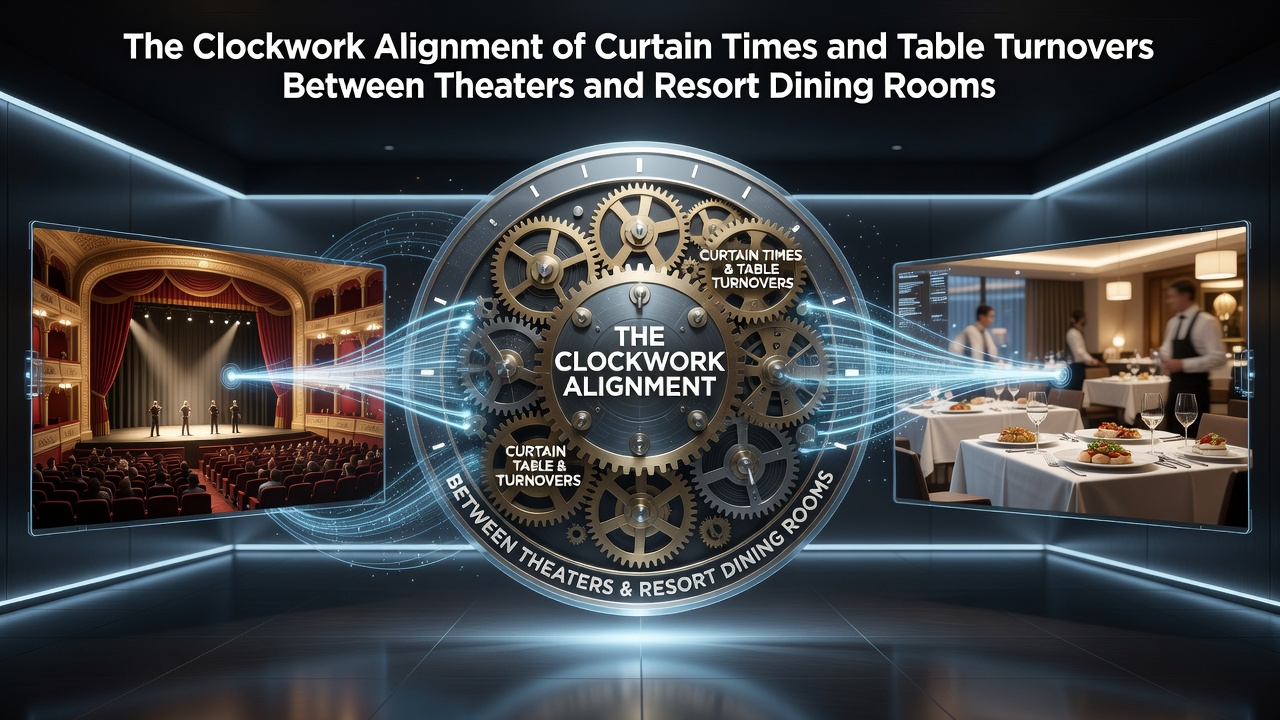
The Clockwork Alignment of Curtain Times and Table Turnovers Between Theaters and Resort Dining Rooms
Resort operators in major entertainment destinations maintain precise schedules that link theater curtain times with dining room table turnovers, and this synchronization shapes how guests move between performances and meals. Data from hospitality operations shows that properties adjust reservation windows and seating cycles to match performance durations, which typically run between 90 and 150 minutes, so that tables clear just as audiences exit venues. Observers note that systems track real-time occupancy rates across both departments, allowing staff to shift resources when a show ends early or when a dining rush builds ahead of an evening curtain. The process begins with centralized software platforms that pull show schedules directly from theater management systems. These platforms calculate average table turnover times, often 45 to 75 minutes depending on cuisine type and service style, then generate dining slot recommendations that avoid overlap with peak audience movement. Researchers at hospitality analytics firms have documented how properties test multiple alignment models each quarter, refining them against guest flow metrics collected through mobile apps and point-of-sale records.Operational Frameworks in Practice
Staff training programs emphasize timing cues that connect the two areas, and managers hold daily briefings where they review projected audience sizes alongside expected diner volumes. One study released by a European hospitality research group found that properties using integrated timing protocols reduced guest wait times by measurable margins during high-traffic evenings, while kitchen teams adjusted prep schedules to match the staggered arrivals that follow curtain drops. Service tunnels and back-of-house corridors play a supporting role here, carrying both performers and dining supplies without intersecting guest pathways. Properties also incorporate seasonal adjustments, particularly ahead of large conventions or holiday periods when show calendars expand. In June 2026 several major resorts plan to implement updated algorithms that factor in projected weather impacts on outdoor dining spaces, allowing indoor table turnovers to accelerate when patio seating sees reduced demand.Technology and Data Integration
Modern alignment relies on sensor networks that monitor table status and seat occupancy, feeding data into dashboards visible to both theater and restaurant supervisors. These tools cross-reference ticket scan times with reservation check-ins, creating alerts when a performance runs long and tables need to hold longer. Industry reports indicate that such systems now incorporate machine learning elements to predict deviations, such as encore extensions or delayed seating, before they disrupt downstream operations.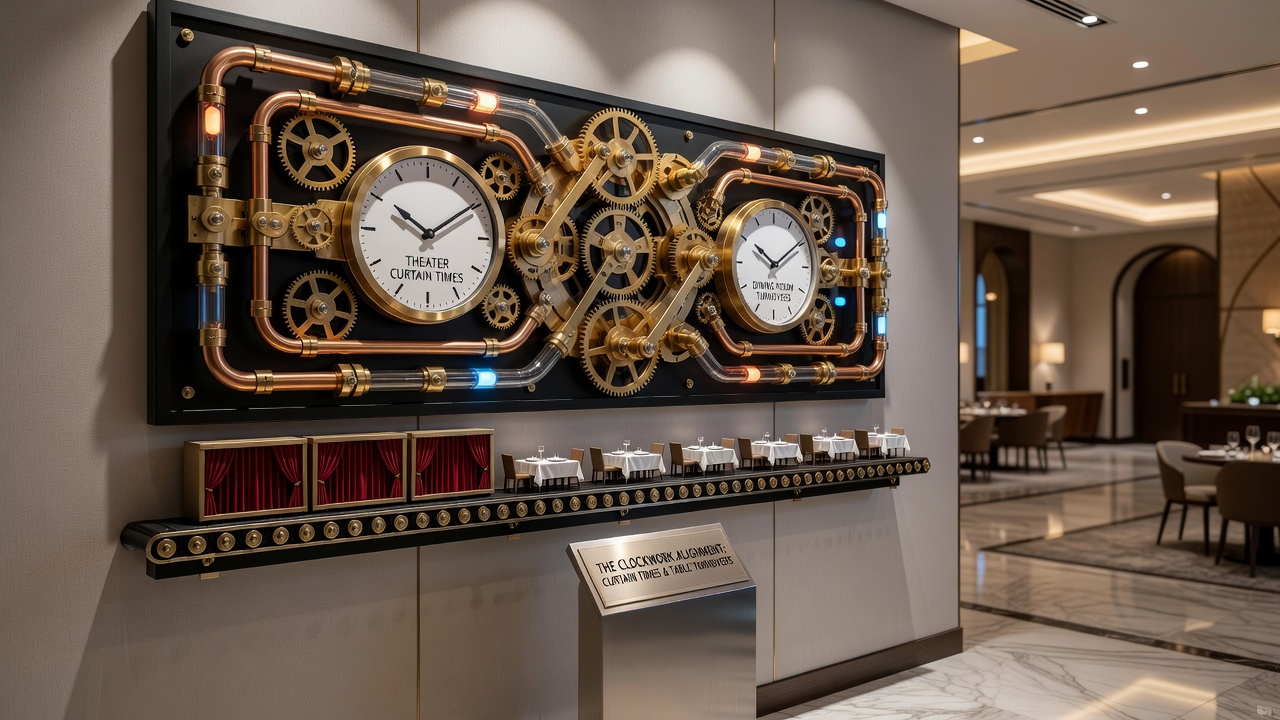 What's interesting is how these digital layers build on older manual coordination methods that once relied on printed run sheets passed between departments. Today the same information flows through wireless networks, yet the underlying goal remains unchanged: keep guest experiences continuous rather than segmented. Figures from North American resort operators reveal that successful alignments correlate with higher combined spend across entertainment and food-and-beverage categories, because visitors spend less time navigating transitions and more time engaging with each venue.