Synchronized Lighting Sequences on High-Rise Facades Guide Nighttime Pedestrian Routes Between Entertainment Venues and Transportation Hubs
Written by Uma Hartmann · Jul 11, 2026
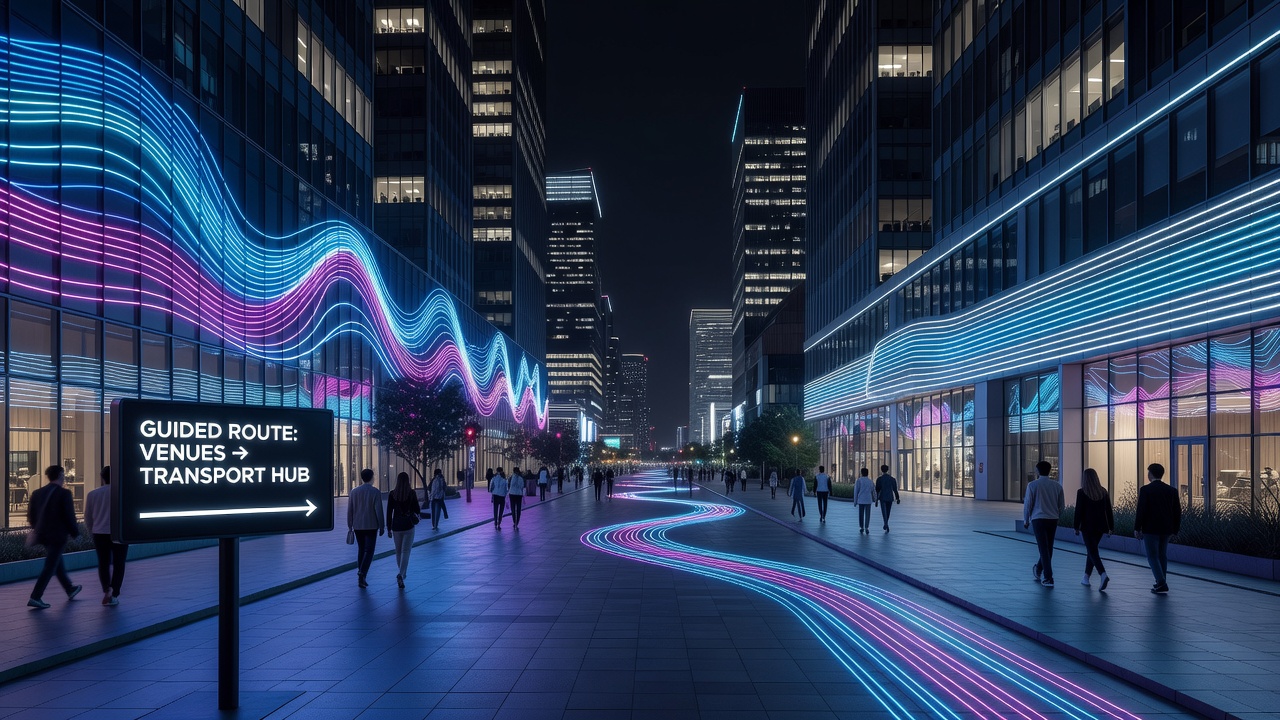
Synchronized Lighting Sequences on High-Rise Facades Guide Nighttime Pedestrian Routes Between Entertainment Venues and Transportation Hubs
High-rise buildings along major entertainment corridors use coordinated LED sequences to direct foot traffic from theaters, arenas, and casinos toward bus stops, monorail stations, and ride-share zones during evening hours, and these systems rely on timed pulses that align with performance schedules and transit timetables. Observers note that the patterns appear as sweeping waves or pulsing arrows across multiple towers simultaneously, creating visual corridors that pedestrians follow without additional signage. Researchers at urban planning institutions have documented how these sequences reduce congestion at intersections by distributing crowds across parallel walkways, while data from city sensors shows average travel times between venues and hubs decrease when the lights operate at full capacity.
Technical Coordination Behind the Sequences
Building operators synchronize their facade systems through a central software platform that receives input from event calendars and real-time transit feeds, and this integration allows light patterns to shift from static displays to dynamic guidance modes within minutes of a show ending. Each sequence incorporates color-coded segments where blue tones indicate routes to public transit and green tones mark paths toward designated pickup areas, while intensity levels adjust based on pedestrian density readings from embedded cameras. Those who've studied the installations report that the patterns repeat every 90 seconds during peak periods, giving walkers enough time to orient themselves yet preventing prolonged stops that could block sidewalks.
Engineers program the displays to account for wind conditions and ambient light levels so visibility remains consistent across seasons, and maintenance logs from property management firms indicate that LED panels undergo quarterly calibration to maintain color accuracy. The approach draws from similar installations in other cities where synchronized lighting has been applied to waterfront promenades and stadium districts, yet Las Vegas implementations incorporate local elements such as references to nearby resort architecture in the animation styles.
Application Across Entertainment and Transit Corridors
Along stretches connecting major performance spaces to transportation nodes, the lighting sequences create layered cues that start with subtle gradients near venue exits and intensify into clear directional flows closer to hubs, and this graduated design prevents overwhelming visitors who have just left darkened auditoriums. Pedestrian counts collected by local transportation departments reveal that groups tend to align their movement with the light pulses, forming temporary streams that dissipate once individuals reach their destinations. One study revealed that intersections equipped with these visual guides experience fewer instances of jaywalking compared to adjacent blocks without coordinated facades.
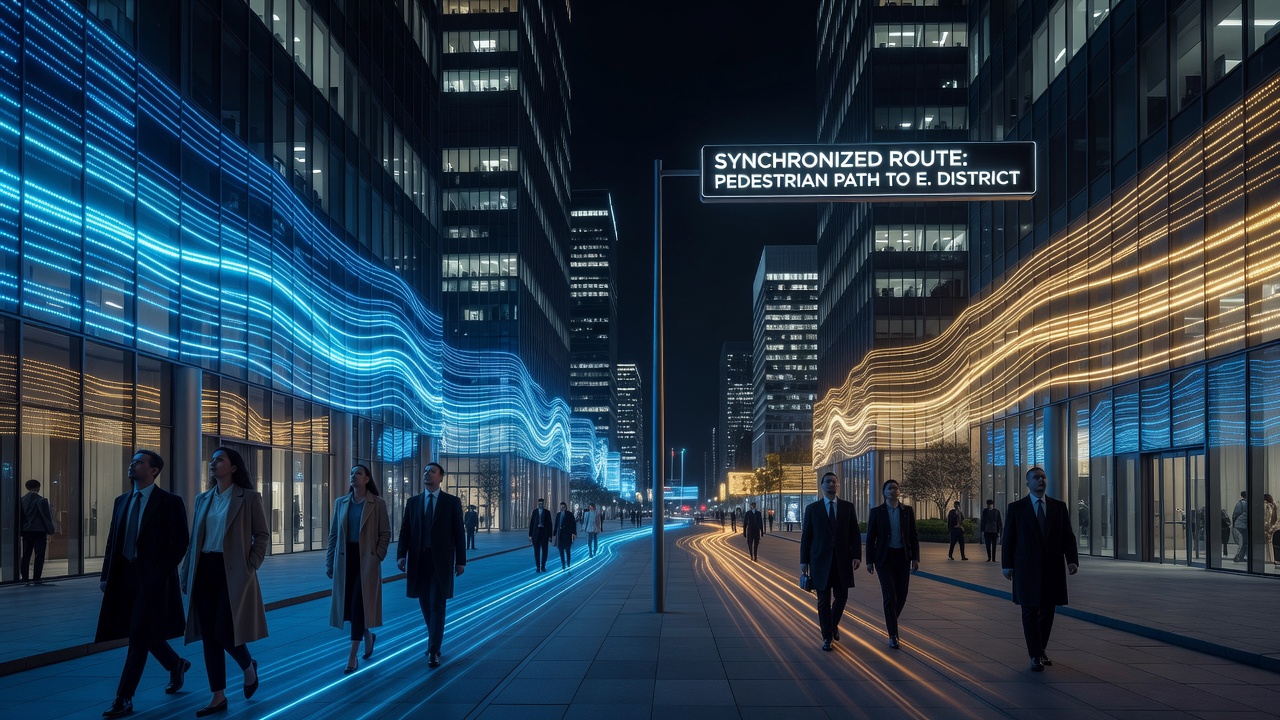
During July 2026, several properties plan to expand their systems to include interactive elements where mobile app notifications trigger personalized light adjustments for registered users heading to specific transit points, and preliminary tests conducted in controlled zones have shown improved compliance with designated walkways. The expansions coincide with upgrades to nearby bus rapid transit lines that will increase service frequency during late-night hours, creating a combined infrastructure where lighting and scheduling reinforce each other.
Measured Impacts on Movement Patterns
Figures from municipal traffic studies indicate that areas utilizing synchronized facade lighting see a measurable shift in pedestrian distribution, with fewer bottlenecks forming directly outside venue doors and more even loading at transit entrances. According to reports compiled by the Federal Highway Administration, similar visual guidance systems in other metropolitan regions have contributed to lower rates of pedestrian-vehicle conflicts during comparable nighttime events. The Las Vegas implementations add a layer of entertainment value since the sequences often incorporate thematic elements tied to current residencies or seasonal displays, yet their primary function remains route direction rather than pure spectacle.
Transit operators have noted that passengers arriving via guided routes board vehicles more quickly because they approach platforms from predictable directions, and this predictability allows staff to position themselves for efficient crowd management. Data collected through Bluetooth tracking devices shows that average dwell times at key decision points along these routes have shortened since the lighting networks came online, supporting claims that the visual cues function as effective wayfinding tools without requiring verbal instructions or printed maps.
Future Integration and System Evolution
Planners continue to refine the algorithms that govern the light sequences, incorporating feedback from pedestrian flow simulations and on-site observations to adjust timing and color transitions for greater clarity. Partnerships with software developers have introduced machine learning components that predict crowd surges based on ticket sales data and weather forecasts, allowing preemptive changes to pattern intensity. These developments build on earlier pilot programs that demonstrated the feasibility of linking building exteriors with broader smart-city networks.
Observers note that the success of these systems depends on consistent cooperation among property owners, transit authorities, and municipal regulators, and ongoing working groups meet quarterly to review performance metrics and address technical challenges. As additional high-rises adopt the technology, the network of synchronized facades is expected to cover a larger portion of the entertainment corridor, potentially extending guidance functions to daytime operations during special events.
Conclusion
Synchronized lighting on high-rise facades has become an established component of nighttime navigation between entertainment venues and transportation hubs, supported by technical coordination, measured performance data, and planned expansions through 2026. The systems operate by translating event and transit information into visual patterns that pedestrians interpret instinctively, and their continued development reflects broader trends in urban infrastructure that combine aesthetic and functional elements. City records and research reports document consistent improvements in movement efficiency where these sequences are active, establishing a model that other districts may reference when designing similar guidance networks.