Skybridges Spanning the Boulevard: Pedestrian Routes That Bypass Street Traffic and Connect Multiple Entertainment Venues
Written by Tina Vogel · Aug 22, 2026
Skybridges Spanning the Boulevard: Pedestrian Routes That Bypass Street Traffic and Connect Multiple Entertainment Venues
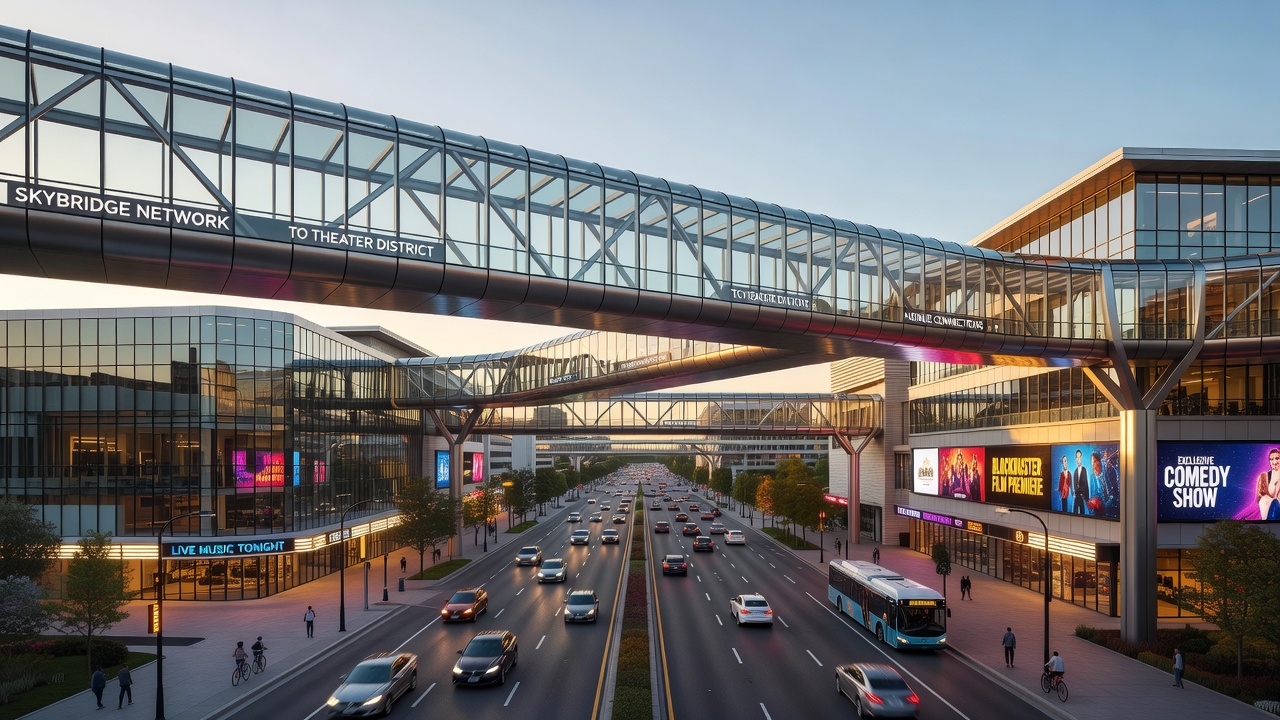
Las Vegas skybridges form an extensive network of elevated pedestrian pathways that stretch across major boulevards and link hotel casinos, theaters, shopping districts, and dining complexes without requiring visitors to navigate ground-level crosswalks or vehicle lanes. These structures emerged as a practical response to heavy traffic volumes along the Strip and surrounding arteries, where daily vehicle counts often exceed 100,000 according to Clark County transportation records. Construction of the first major skybridges began in the early 1990s, and subsequent expansions have created continuous routes that span several blocks while maintaining climate-controlled environments for users.
Historical Development of Elevated Connections
Planners introduced skybridges after studies showed that at-grade crossings contributed to congestion and safety incidents during peak evening hours. Early examples appeared near the MGM Grand and Bally's properties, and later additions connected the Mirage to Treasure Island and extended toward the Fashion Show Mall area. Each new segment incorporated wider walkways, escalators, and moving walkways that accommodate the steady flow of guests moving between shows, gaming floors, and restaurants. Data from the Regional Transportation Commission of Southern Nevada indicates that skybridge usage reduces average crossing times by several minutes compared with street-level alternatives during high-traffic periods.
Design Features and Structural Elements
Engineers designed these bridges with steel and concrete frameworks capable of supporting thousands of pedestrians per hour, while glass panels and LED lighting systems provide visibility and wayfinding. Many segments feature retail kiosks and digital signage that display event schedules and venue maps, allowing users to plan routes without descending to street level. Structural reinforcements include seismic standards that meet current Nevada building codes, and maintenance crews perform quarterly inspections to ensure compliance with load-bearing requirements. Observers note that the enclosed design also shields users from extreme desert temperatures, which can reach over 110 degrees Fahrenheit in summer months.
Integration with Entertainment Districts
Skybridges serve as direct connectors between major entertainment venues, enabling seamless transitions from casino floors to concert halls and from shopping promenades to rooftop lounges. One prominent route links the Bellagio to the Cosmopolitan and continues toward the Aria, creating a multi-property corridor that bypasses Las Vegas Boulevard intersections. Additional branches extend toward the Park MGM and New York-New York, where escalators deposit visitors near theater entrances and dining patios. These pathways support coordinated event timing, as guests move between residencies and productions without encountering vehicle traffic.
Traffic Reduction and Mobility Data
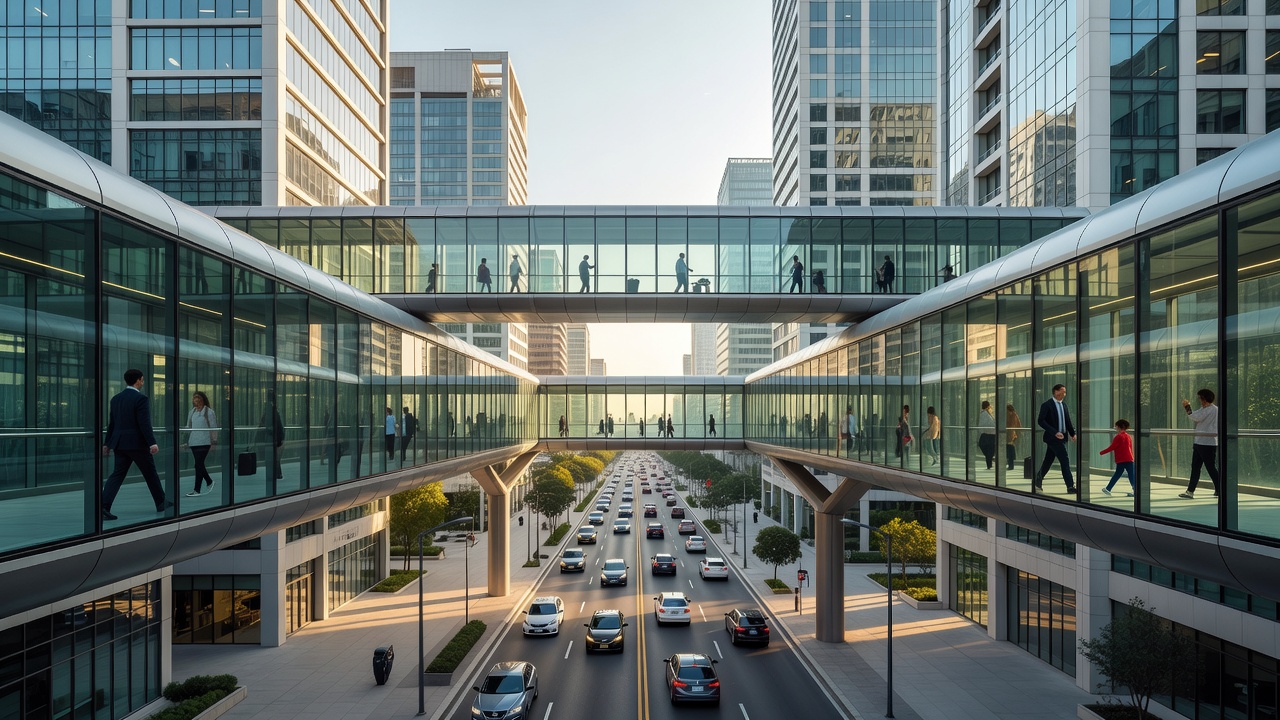
Transportation analysts have tracked measurable decreases in pedestrian-vehicle conflicts at intersections where skybridges provide alternatives. Figures from the Nevada Department of Transportation show that intersections with overhead connections experience lower incident rates during evening rush periods compared with locations without such infrastructure. The system also supports larger event crowds, such as those attending major sporting events or conventions, by distributing foot traffic across multiple levels. Researchers at the University of Nevada, Las Vegas have examined pedestrian flow patterns and found that skybridge networks handle peak loads exceeding 20,000 users per hour during major holidays and festivals.
Planned Expansions and August 2026 Updates
County planners have scheduled additional skybridge segments to open in phases through 2026, including a new link near the north end of the Strip that will connect recently renovated properties to existing walkways. Work on these extensions began in late 2024, and project timelines indicate that structural steel placement will conclude by August 2026, followed by finishing work on lighting and accessibility features. These additions aim to further reduce street-level crossings near high-volume intersections while accommodating future resort expansions. Coordination with utility providers ensures that underground service tunnels remain unaffected during construction.
Conclusion
Skybridges continue to evolve as core components of Las Vegas pedestrian infrastructure, linking entertainment destinations across the boulevard while addressing traffic and safety considerations. Ongoing maintenance, data collection, and phased expansions keep the network aligned with changing visitor volumes and urban development patterns.