Shifting visitor flows: how convention schedules reshape retail layouts and performance timings near major resorts
Written by Willa Hartmann · Aug 25, 2026
Shifting visitor flows: how convention schedules reshape retail layouts and performance timings near major resorts
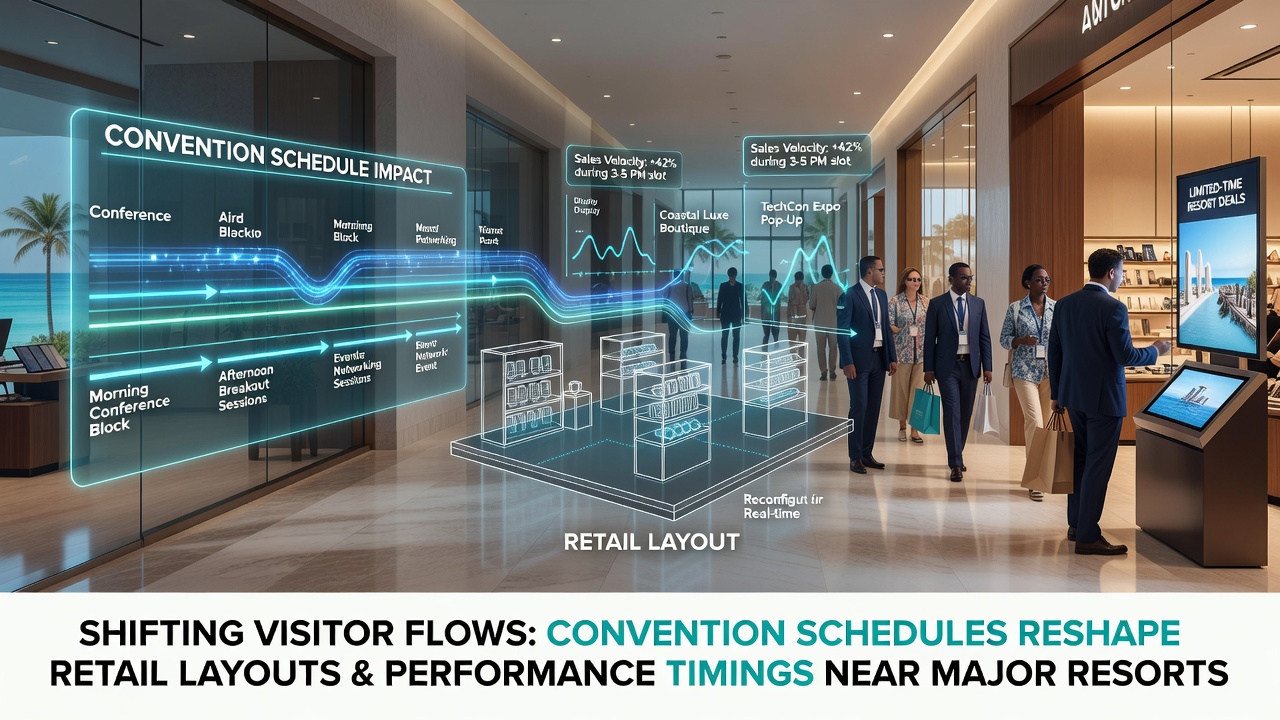
Convention schedules in major resort destinations like Las Vegas create measurable shifts in visitor patterns that prompt retailers and entertainment venues to adjust their physical setups and operational hours, and data from the Las Vegas Convention and Visitors Authority indicates these events can draw hundreds of thousands of additional visitors in concentrated periods. Retail operators respond by reconfiguring floor plans to accommodate higher foot traffic while performance venues alter start times to align with delegate availability. Observers note that these adjustments occur predictably around large gatherings such as trade shows and industry conferences that fill hotel blocks and overflow into surrounding commercial zones.
Convention calendars drive predictable crowd surges
Event planners book major conventions months or years in advance, which allows nearby businesses to forecast demand spikes and prepare accordingly, and records show that properties clustered around the Las Vegas Strip experience the most pronounced effects because they sit within walking distance of major convention facilities. Retail managers often expand temporary display areas during these windows to capture impulse purchases from attendees who have limited time between sessions. Performance schedulers coordinate with convention organizers to avoid direct overlaps that could split audiences, resulting in earlier evening shows or added matinees on weekdays when delegate numbers peak.
Retail layout modifications during high-volume periods
Store designers install movable fixtures and pop-up stations that can be repositioned quickly when visitor flows intensify, and studies from the University of Nevada, Las Vegas tourism research group have documented how these modular changes increase dwell time in corridors that connect resorts to retail promenades. Inventory teams stock items favored by business travelers such as tech accessories and branded apparel, then shift back to leisure-oriented merchandise once the convention concludes. Security protocols tighten around high-traffic zones, which sometimes requires narrowing entrance points to manage queues without disrupting adjacent casino floors.
Performance timing adjustments and audience capture
Theater operators track convention agendas closely so they can set curtain times that fit between breakout sessions and evening networking events, and historical schedules reveal frequent additions of late-night performances when large groups extend their stays. Sound and lighting crews adapt run times to prevent bleed into nearby retail spaces where ambient noise levels rise during peak hours. Ticket pricing structures sometimes incorporate group rates marketed directly to convention planners, which helps venues maintain occupancy rates even as regular tourist patterns fluctuate.
August 2026 scheduling outlook
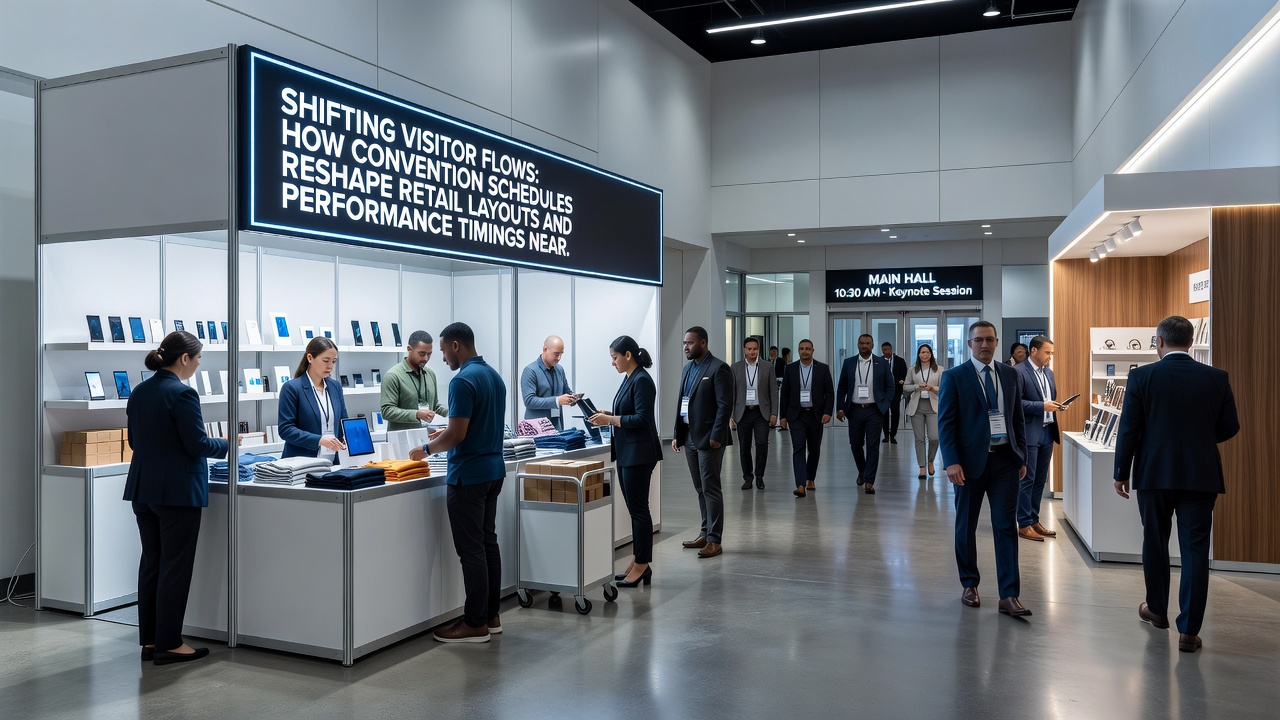
Multiple large-scale events are already listed for August 2026, including technology and hospitality industry gatherings that historically generate strong midweek attendance, and advance booking data suggests these dates will trigger another round of layout and timing realignments across resort-adjacent retail and entertainment districts. Planners coordinate with local transit providers to handle increased shuttle volumes between convention sites and shopping areas, which indirectly influences how long retail outlets stay open to serve returning delegates. Performance producers use the same lead time to lock in talent and crew availability for the expected surge in group bookings.
Coordination between stakeholders
Resort management teams, retail tenants, and venue operators participate in joint planning meetings that map projected visitor pathways, and these sessions produce shared calendars that list adjusted operating hours and temporary closures for construction or reconfiguration work. Data sharing agreements allow participants to monitor real-time foot traffic counts collected through mobile device analytics, which informs last-minute tweaks when actual attendance exceeds or falls short of projections. Supply chain partners receive earlier delivery windows so that restocking can occur overnight when corridors are less crowded.
Longer-term infrastructure responses
Some resort complexes have begun installing permanent modular walls and retractable signage systems that speed up seasonal or event-based transitions, and facility reports indicate these investments reduce labor hours needed for each reconfiguration cycle. Retail corridors gain additional wayfinding elements that guide convention attendees toward specific outlets without interfering with regular resort guest movement. Performance venues experiment with flexible seating arrangements that can expand or contract based on expected delegate turnout for particular shows.
Conclusion
Convention schedules continue to function as reliable catalysts for operational shifts in retail layouts and performance timings around major resorts, and the patterns observed in Las Vegas demonstrate how advance coordination between multiple stakeholders produces measurable adaptations in physical spaces and daily programming. These changes reflect established responses to documented visitor volume increases rather than isolated experiments, and ongoing data collection from industry groups helps refine the timing and scale of each adjustment cycle.