Residency Contracts Reshaping Boutique Shop Inventories Near Major Theaters
Written by Uma Hartmann · Jun 9, 2026
Residency Contracts Reshaping Boutique Shop Inventories Near Major Theaters
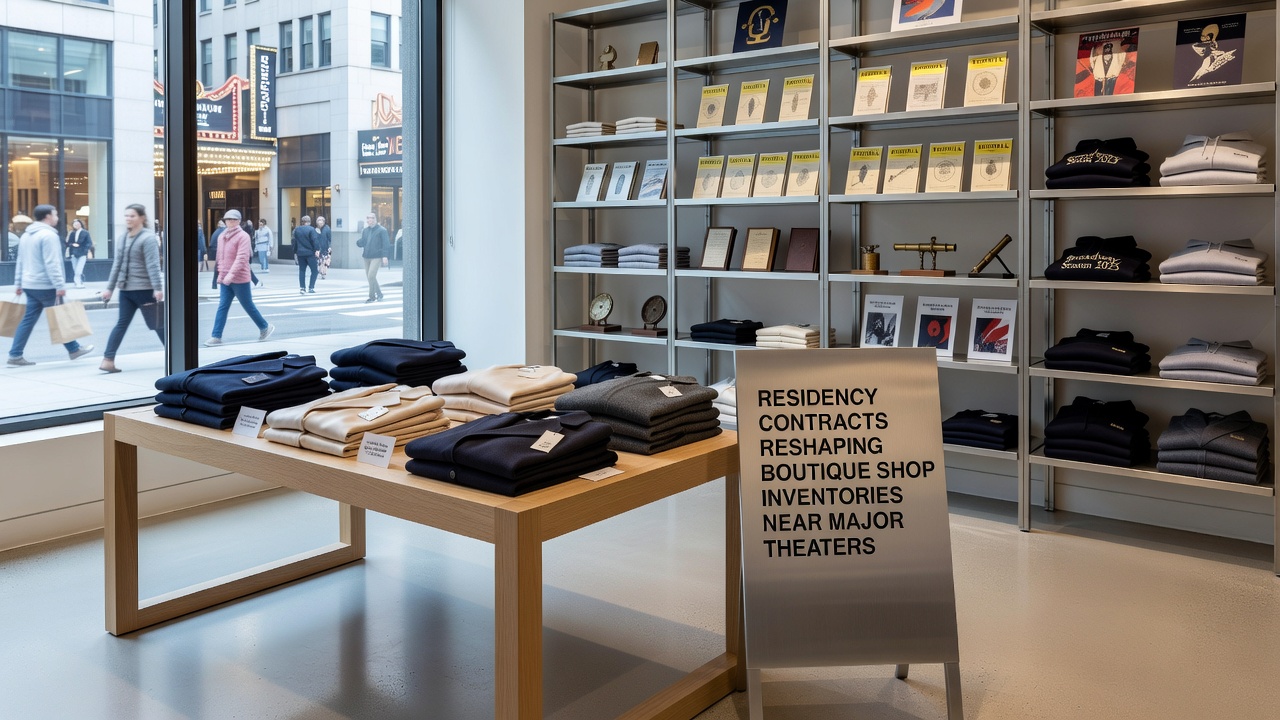
Observers note that long-term residency agreements between entertainers and resort theaters have begun influencing stock selections at nearby retail outlets along the Las Vegas Strip. These contracts typically span multiple years and create consistent foot traffic patterns that retailers track through sales data and visitor demographics. Boutique operators near venues such as the Colosseum at Caesars Palace and the Zappos Theater at Planet Hollywood adjust their product lines to align with the audiences drawn by specific performers. Data from the Nevada Resort Association shows increased demand for apparel, accessories, and memorabilia tied to ongoing shows rather than generic tourist items. Retail analysts track these shifts through point-of-sale records and supplier orders. Shops that once carried broad selections of Las Vegas-branded souvenirs now prioritize items linked to current residencies. For instance, outlets near theaters hosting established music acts report higher volumes of related graphic tees and limited-edition accessories during peak performance months. This pattern emerges because residency schedules remain fixed for extended periods, allowing merchants to forecast inventory needs with greater precision than they could with rotating headliner bookings.Contract Structures and Retail Adjustments
Residency agreements often include provisions for promotional tie-ins that extend beyond the stage. Performers negotiate terms that permit branded merchandise to appear in proximate retail spaces, which creates direct supply chain connections between production companies and local boutiques. Those who've studied this know that such arrangements reduce the risk of overstock for retailers while ensuring availability of high-demand products on show nights. Figures from the Las Vegas Convention and Visitors Authority reveal that theaters with multi-year contracts generate steadier visitor flows compared to venues relying on weekly changes in programming.
Inventory managers at these boutiques use attendance projections tied to contract announcements to guide purchasing decisions. When a new residency begins, suppliers receive orders for themed goods weeks in advance. This coordination appears in June 2026 when several renewed agreements take effect at major Strip properties, prompting shops to refresh displays with updated designs ahead of the summer season. Studies conducted by the University of Nevada, Las Vegas indicate that retailers located within a three-block radius of contracted theaters experience measurable changes in category performance within the first quarter of each new agreement.
Supply Chain and Vendor Dynamics
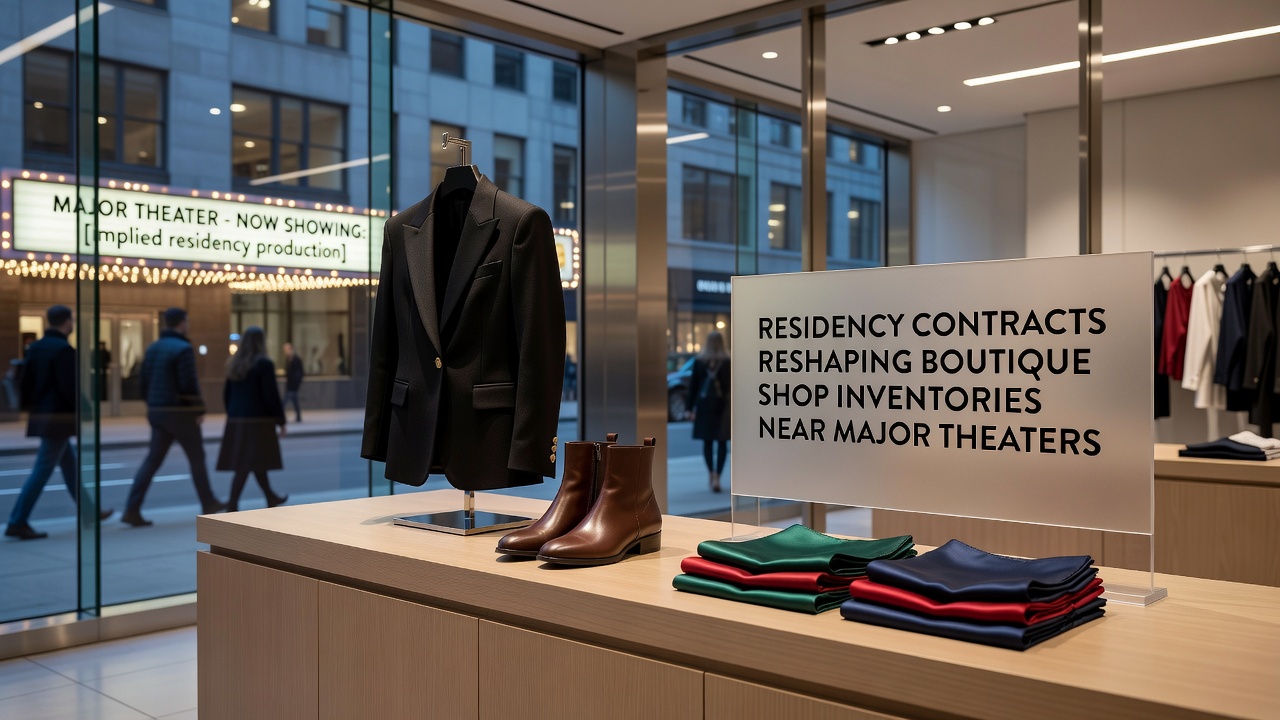 Vendors supplying these boutiques adapt their catalogs to accommodate recurring themes from established residencies. Wholesale orders now emphasize smaller batch sizes of specialized items rather than large runs of standard souvenirs. This approach aligns with the predictable nature of residency calendars, where performance dates remain locked in place for 12 to 24 months at a time. Trade reports from the Retail Association of Nevada document a rise in direct partnerships between production merchandise teams and independent shop owners.
Seasonal fluctuations still occur around major holidays, yet the baseline demand stays anchored to the residency schedule. Boutiques maintain core stock of performance-related products year-round while rotating supplementary items based on touring support acts or special events. Observers note that this stability allows shopkeepers to negotiate better terms with manufacturers, since order volumes can be projected across multiple quarters rather than week to week.
Geographic Concentration and Sales Patterns
Clusters of boutiques have formed in specific corridors adjacent to theaters with active contracts. Sales records indicate stronger performance in categories such as apparel and accessories within these zones compared to more distant retail locations. A report issued by the European Travel Commission on destination retail trends highlights similar patterns in entertainment districts worldwide, where fixed programming influences nearby commerce. Local data collected through the Nevada Division of Tourism confirms that pedestrian counts near contracted venues remain elevated on non-peak nights due to the consistent draw of residencies.
Merchandise placement strategies have evolved accordingly. Display windows now feature items connected to current residencies rather than generic city imagery, and staff training includes updates on upcoming contract renewals. This preparation ensures that inventory turns over efficiently without leaving excess stock at the end of each agreement cycle. Retailers who maintain these practices report steadier revenue streams according to internal metrics shared within industry associations.
Conclusion
Residency contracts continue to shape inventory decisions for boutiques positioned near major theaters through predictable audience patterns and coordinated merchandise programs. Retailers respond by refining supplier relationships and adjusting stock selections to match fixed performance schedules. As new agreements activate in June 2026, these adaptations are expected to persist, with data collection efforts by local tourism and gaming oversight bodies providing ongoing visibility into the resulting commercial shifts. The relationship between contract terms and retail operations remains a measurable component of the broader Strip economy.