Pedestrian Bridge Networks Streamline Access Between Retail Corridors and Performance Venues During Peak Evening Hours
Written by Uma Hartmann · Aug 4, 2026
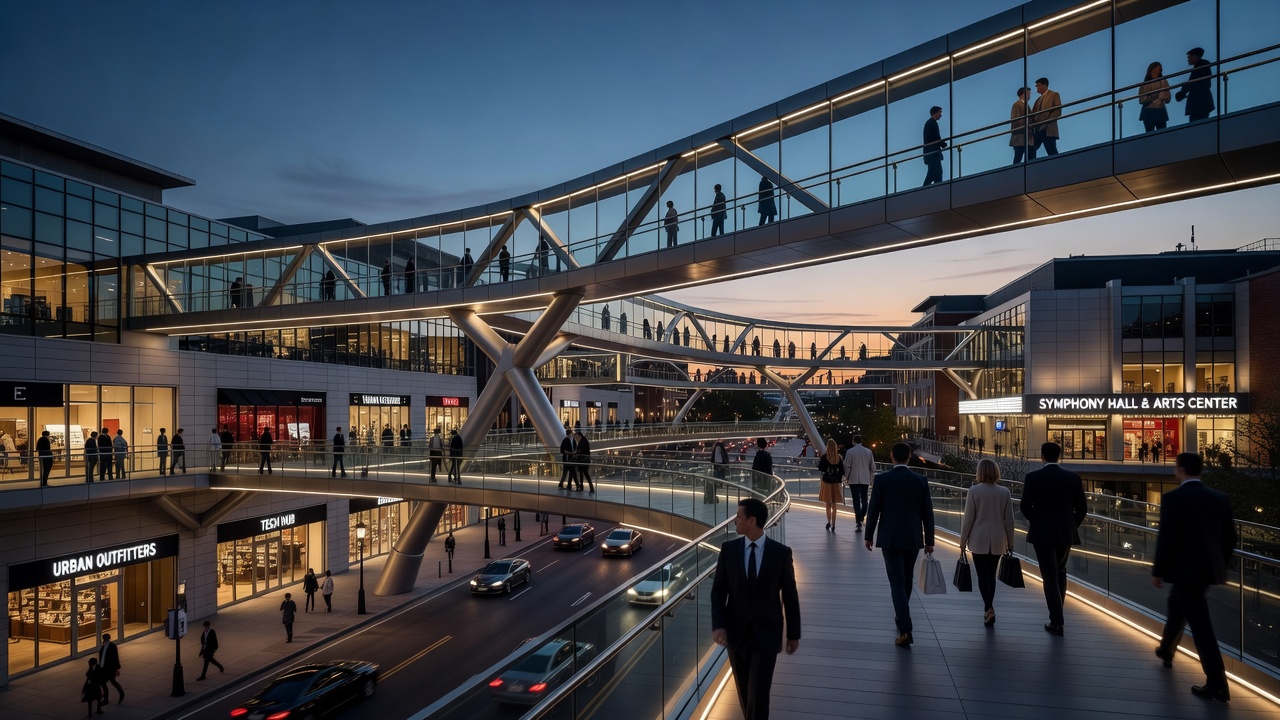
Pedestrian Bridge Networks Streamline Access Between Retail Corridors and Performance Venues During Peak Evening Hours
Pedestrian bridge networks in urban entertainment districts connect retail corridors directly to performance venues, allowing visitors to move between shopping areas and theaters without descending to street level during peak evening hours. These elevated pathways reduce ground-level congestion where vehicle traffic and foot traffic intersect most intensely between 6 PM and midnight. Data from transportation authorities shows that such systems handle thousands of crossings per hour when shows let out and retail outlets extend hours. Cities with concentrated entertainment zones have expanded these networks over recent decades to address safety and flow issues. In Las Vegas, multiple bridges span major boulevards and tie shopping promenades to casino theaters and arenas. Observers note that the design keeps pedestrians separated from roadways while directing them toward specific destinations like show entrances or adjacent retail zones.Network Design and Connectivity Features
Engineers incorporate escalators, moving walkways, and climate-controlled sections into bridge layouts so that movement remains steady even when temperatures rise or crowds swell. These elements link directly to retail corridors filled with stores and restaurants before funneling users toward performance spaces that host concerts, residencies, and theatrical productions. Studies from university transportation programs indicate that integrated bridge systems cut average travel times between retail points and venue entrances by measurable margins during high-traffic periods.
Signage and digital wayfinding displays appear at junctions along the bridges, providing real-time updates on show start times and retail promotions. This information helps visitors adjust routes without backtracking. During August 2026, several venues plan extended evening schedules tied to major conventions, which transportation planners expect will increase bridge usage as retail outlets align operating hours with performance calendars.
Traffic Management During Evening Peaks
Peak evening hours bring simultaneous surges from retail browsing and performance schedules. Bridge networks absorb these flows by offering multiple access points that distribute crowds across parallel pathways rather than concentrating them at single intersections. Figures from regional planning agencies reveal reduced incidents of jaywalking and street-level delays where bridges operate at full capacity.
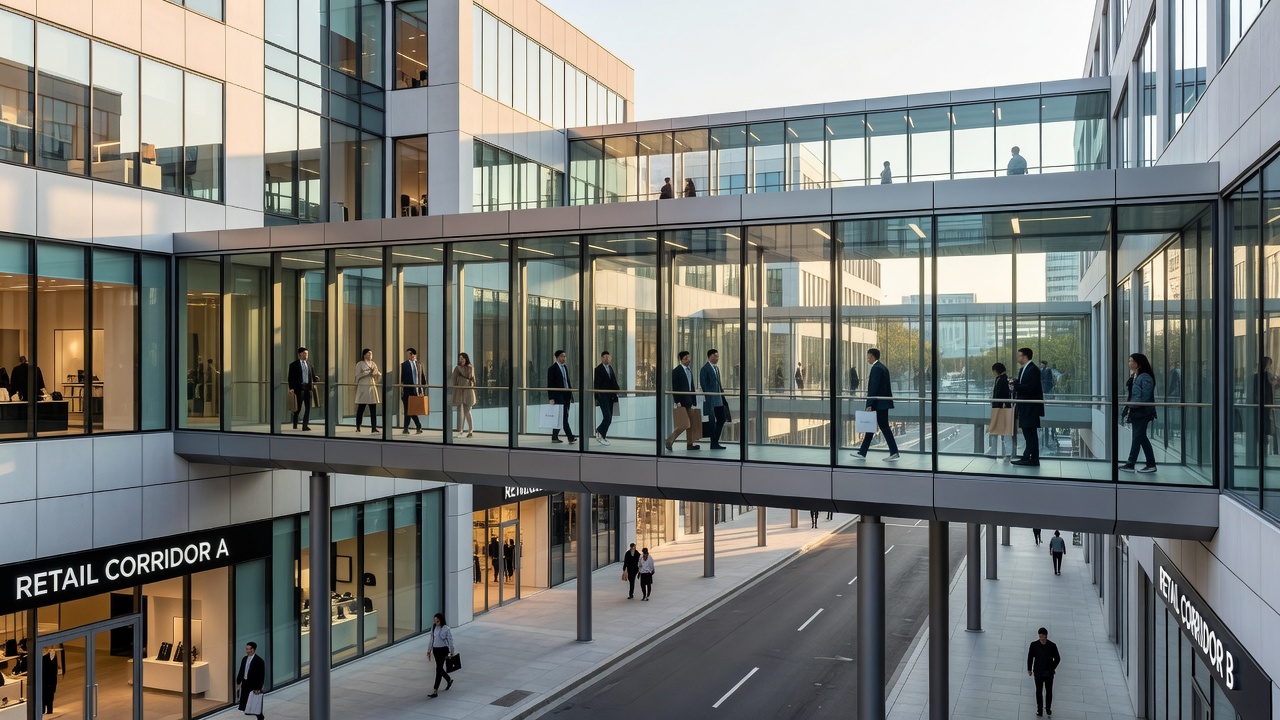
Security personnel monitor bridge activity through cameras and stationed posts, coordinating with venue staff to manage exits when large shows conclude. This coordination prevents bottlenecks that once formed at street crossings. Those who track urban mobility patterns have documented how the elevated routes maintain consistent speeds for walkers even as street signals cycle through multiple phases below.
Integration with Broader Transportation Systems
Bridge networks function alongside other transit options including monorails and ride-share zones positioned near venue exits. Planners have aligned bridge endpoints with these services so that visitors can transition from retail visits to performances and then onward without retracing steps on foot. Reports issued by state transportation departments highlight how this layered approach supports overall district throughput during busy seasons.
Maintenance schedules keep bridges operational through routine inspections and upgrades, with crews working during lower-traffic windows to avoid disrupting evening peaks. Materials chosen for surfaces and railings withstand heavy daily use while meeting accessibility standards that accommodate varied mobility needs.
Conclusion
Pedestrian bridge networks continue to evolve as districts adjust to changing visitor volumes and event calendars. Their placement between retail corridors and performance venues supports steady movement when evening activity reaches its highest levels, with design choices and operational practices drawn from ongoing data collection by government agencies and research institutions. As new developments proceed, these systems remain central to managing access across entertainment-focused urban areas.