Mechanics of Vintage Gaming Device Restoration Programs that Train Technicians While Preserving Mechanical Traditions Across Evolving Resort Floors
Written by Ben Reed · Aug 18, 2026
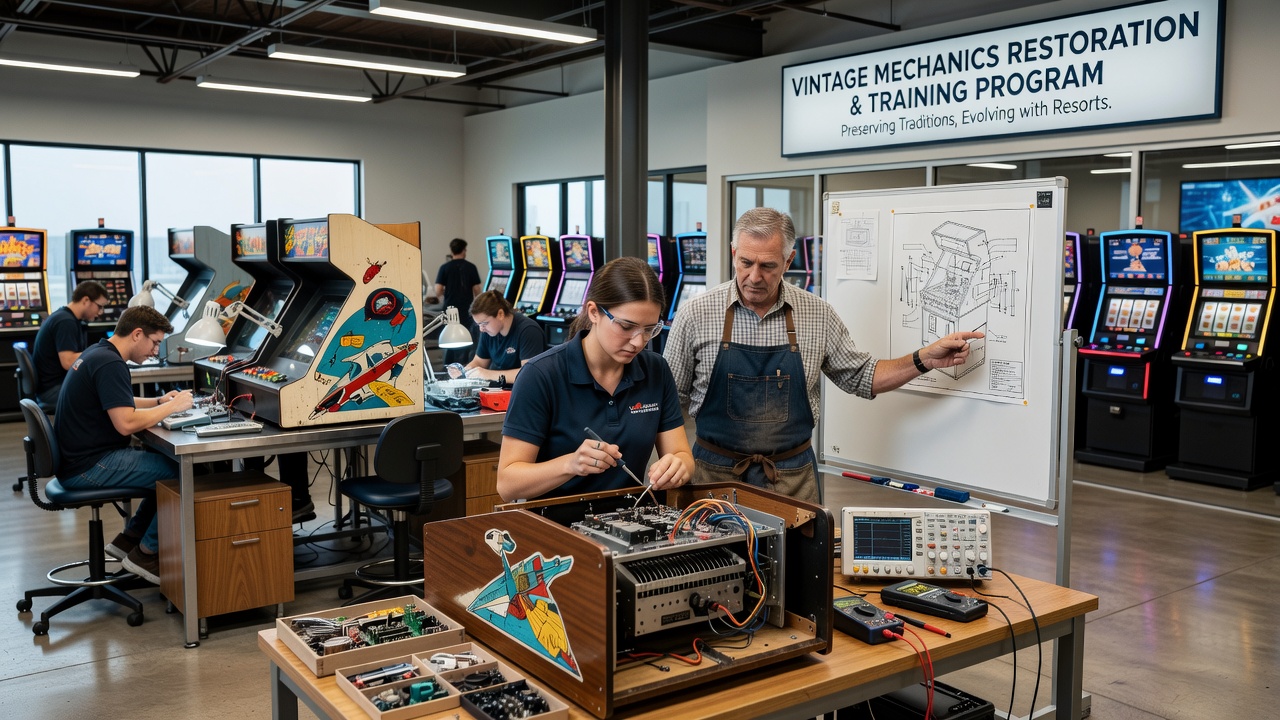
Mechanics of Vintage Gaming Device Restoration Programs that Train Technicians While Preserving Mechanical Traditions Across Evolving Resort Floors
Resort floors across Las Vegas continue to integrate digital gaming systems while older electromechanical devices remain in operation, adn restoration programs have developed to address both maintenance needs and skill development. These initiatives focus on devices from the mid-20th century through the 1980s, including reel-based slots that rely on gears, levers, and early circuit boards. Technicians learn to disassemble, repair, and recalibrate these machines using original schematics alongside updated diagnostic tools, which helps sustain operational reliability on mixed gaming floors.
Core Components of Restoration Training
Programs typically combine classroom instruction with hands-on workshops where participants study mechanical linkages, coin mechanisms, and payout systems before progressing to live equipment. Data from the Nevada Gaming Control Board shows that licensed facilities must maintain certified staff for all gaming devices regardless of age, which has encouraged casinos to support internal training pipelines. Sessions often cover lubrication standards, spring tension adjustments, and electrical continuity checks that prevent common failures such as reel misalignment or jackpot verification errors.
One established curriculum at a Strip resort partners with local trade schools to offer certification modules that run for twelve weeks, and graduates receive credentials recognized by multiple properties. Participants practice on decommissioned units donated by operators who have upgraded their inventories, which allows trainees to encounter real wear patterns without risking active floor machines. By August 2026 several properties plan to expand these modules to include legacy video poker terminals from the 1990s, extending the scope beyond purely mechanical models.
Preservation of Mechanical Traditions Amid Digital Shifts
Although newer cabinets emphasize touchscreens and networked servers, certain resort sections retain vintage devices to appeal to collectors and tourists who seek the tactile experience of pulling a handle. Restoration work preserves these traditions by documenting repair sequences and archiving replacement parts sourced from specialized suppliers. Industry reports indicate that demand for original reels and stepper motors has remained steady even as manufacturers focus on software-driven platforms.
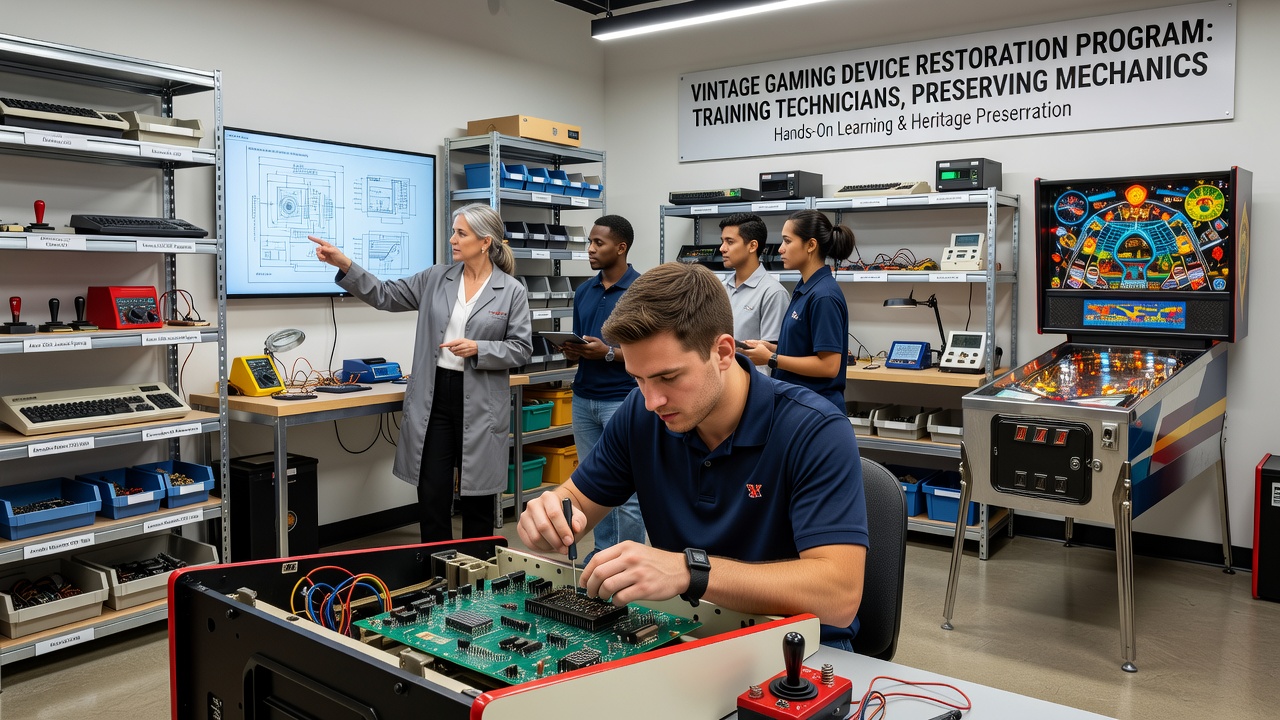
Technicians document each restoration in digital logs that record part substitutions, calibration values, and operational tests, and these records assist future crews when similar units require service. Observers note that such documentation also supports compliance audits required by state regulators. Programs emphasize the use of non-destructive techniques so that historical markings and original finishes stay intact whenever possible, which maintains authenticity for display purposes on themed gaming areas.
Integration with Resort Operations
Service teams coordinate restoration schedules around floor traffic patterns to minimize downtime, and they often complete major overhauls during overnight hours when fewer visitors occupy the gaming zones. Resorts have reported that retaining a percentage of vintage devices can reduce replacement costs for certain high-traffic areas while still meeting revenue targets through themed promotions. Training participants rotate through different properties to gain exposure to varied machine models and floor layouts, which broadens their troubleshooting range.
Supply chains for legacy components now include international vendors that manufacture reproduction parts compatible with older specifications, and this network has grown to support multiple North American markets. Technicians learn to verify part authenticity through serial number cross-referencing and material analysis before installation. In August 2026 one major operator intends to host a regional workshop series that invites technicians from Canadian and Australian properties to share techniques for maintaining hybrid mechanical-electronic units still found in their jurisdictions.
Conclusion
Restoration programs continue to balance technical skill transfer with the operational demands of evolving resort floors, and they rely on structured curricula, documented procedures, and coordinated logistics to keep vintage devices functional. These efforts support regulatory compliance while sustaining access to mechanical gaming traditions that predate widespread digital adoption.