Light-Based Navigation Systems Transform Evening Movement Across Las Vegas Gaming and Performance Areas
Written by Tina Vogel · Jun 20, 2026
Light-Based Navigation Systems Transform Evening Movement Across Las Vegas Gaming and Performance Areas
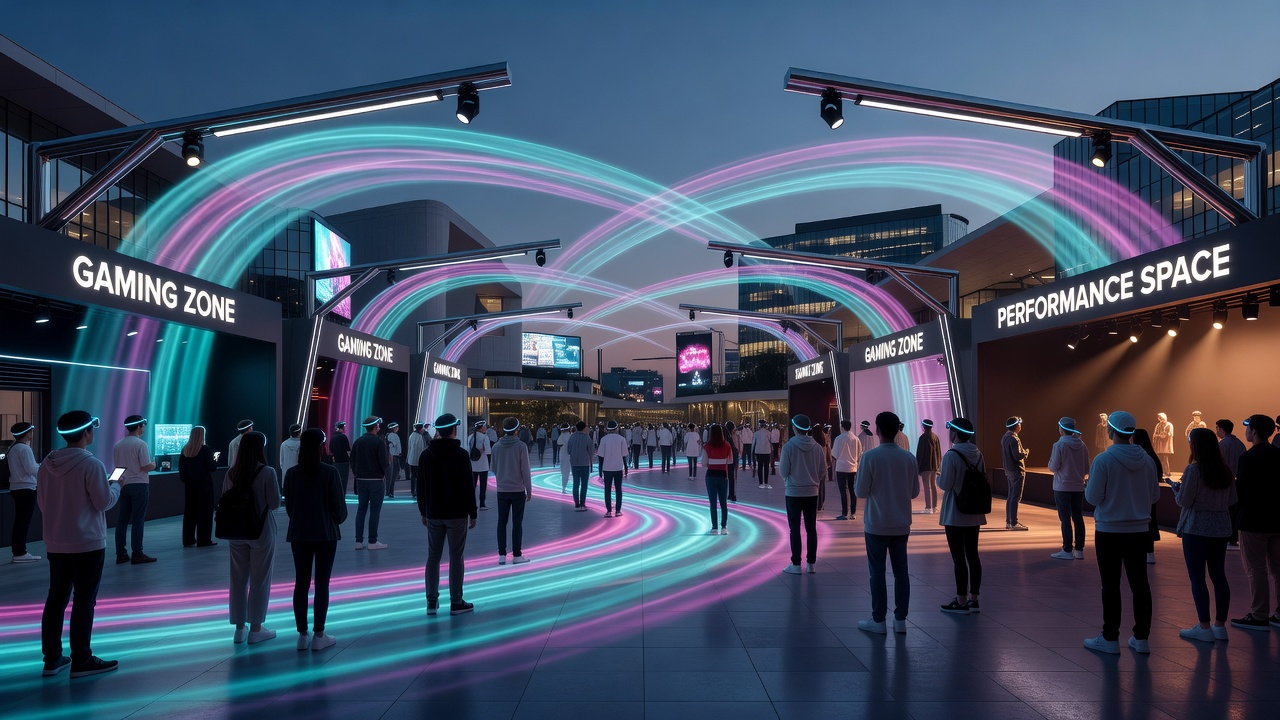
Resort operators across the Las Vegas Strip have integrated shifting light displays with synchronized projection mapping to manage pedestrian movement between gaming floors and nearby performance venues when visitor volumes rise after sunset. These systems use overhead LED arrays and floor-embedded projectors that adjust color sequences and directional arrows in real time based on sensor data from overhead cameras and motion detectors. Data collected by the Las Vegas Convention and Visitors Authority shows that coordinated light cues reduced average transit times between zones by measurable margins during high-traffic periods in 2025.Core Technology Components
Projection units installed along ceiling trusses cast moving patterns onto walkways and walls while LED strips embedded in flooring change hue to create visible pathways. Software platforms synchronize these elements so that a sequence of blue-to-green gradients begins at slot machine banks adn extends toward theater lobbies when shows approach start times. According to research published by the Transportation Research Board, similar adaptive lighting networks in large public venues lowered congestion incidents when calibrated to real-time occupancy levels.
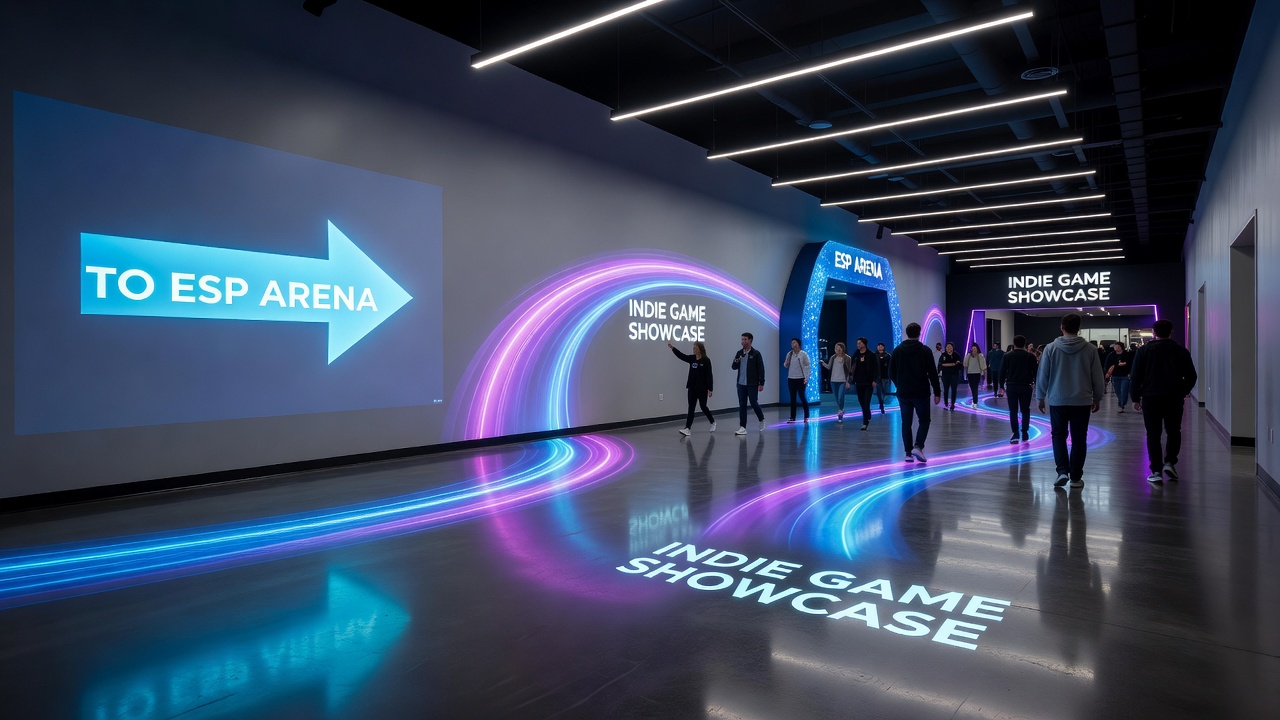
Technicians calibrate the systems each afternoon using historical foot-traffic logs from prior weeks. Sensors detect density thresholds and trigger pre-programmed light shifts that encourage visitors to follow illuminated routes rather than cluster at main thoroughfares. One installation at a major Strip property activates its full sequence at 7:15 p.m. on weekdays, guiding patrons from high-limit gaming areas past retail kiosks and directly to adjacent arena entrances within an eight-minute window.
Evening Peak Operations and Coordination
Evening peaks typically occur between 6:30 p.m. and 10:00 p.m. when multiple performance start times overlap with dinner reservations and continued gaming activity. During these windows the light displays intensify their brightness and introduce pulsing effects that draw attention away from static signage. Observers note that the synchronized projections also incorporate subtle countdown timers projected near escalators, allowing groups to time their departures without relying solely on mobile apps.
Staff from facilities management teams monitor central control rooms where multiple camera feeds feed into a unified dashboard. Adjustments occur when unexpected bottlenecks form near particular gaming banks or when performance venues release audiences earlier than scheduled. These real-time tweaks prevent spillover into service corridors that remain reserved for resort employees.
Integration with Existing Resort Infrastructure
Many properties link the light systems to their existing digital wayfinding kiosks so that static maps update in tandem with the moving projections. This dual approach ensures visitors who prefer reading text receive consistent directions while those responding to visual cues follow the illuminated paths. Maintenance logs indicate that bulb replacements and projector alignments occur during overnight hours to avoid disrupting daytime operations.
Power consumption data from several resorts reveals that LED-based systems draw less electricity than earlier incandescent directional lighting while delivering higher visibility under ambient casino illumination. Engineers continue to refine the color palettes so that sequences remain distinct from promotional light shows used for marketing displays elsewhere on the property.
Developments Scheduled for June 2026
Expanded installations are planned for rollout in June 2026 at two additional resorts currently under renovation. These upgrades will incorporate higher-resolution projectors capable of rendering text and simple icons alongside color gradients. Preliminary testing conducted in controlled sections of one property demonstrated that the enhanced systems maintained clear visibility even when smoke machines from nearby stage productions were active.
Industry reports from the International Association of Amusement Parks and Attractions indicate that comparable projection technologies have been adopted in entertainment districts outside Nevada, providing cross-regional benchmarks for calibration standards. Las Vegas operators review these external case studies when adjusting timing algorithms for their own peak periods.
Conclusion
Shifting light displays combined with synchronized projections now form a standard component of crowd management strategies on the Las Vegas Strip during evening hours. The systems operate through sensor-driven software that activates directional sequences at predictable times while allowing manual overrides when conditions change. Continued refinements scheduled through 2026 aim to further align these visual tools with performance schedules and gaming-area occupancy patterns.