Inside the Fusion of Athletic Arenas and Casino Floors Where Fans Gather for Major Games
Written by Tina Vogel · May 30, 2026
Inside the Fusion of Athletic Arenas and Casino Floors Where Fans Gather for Major Games
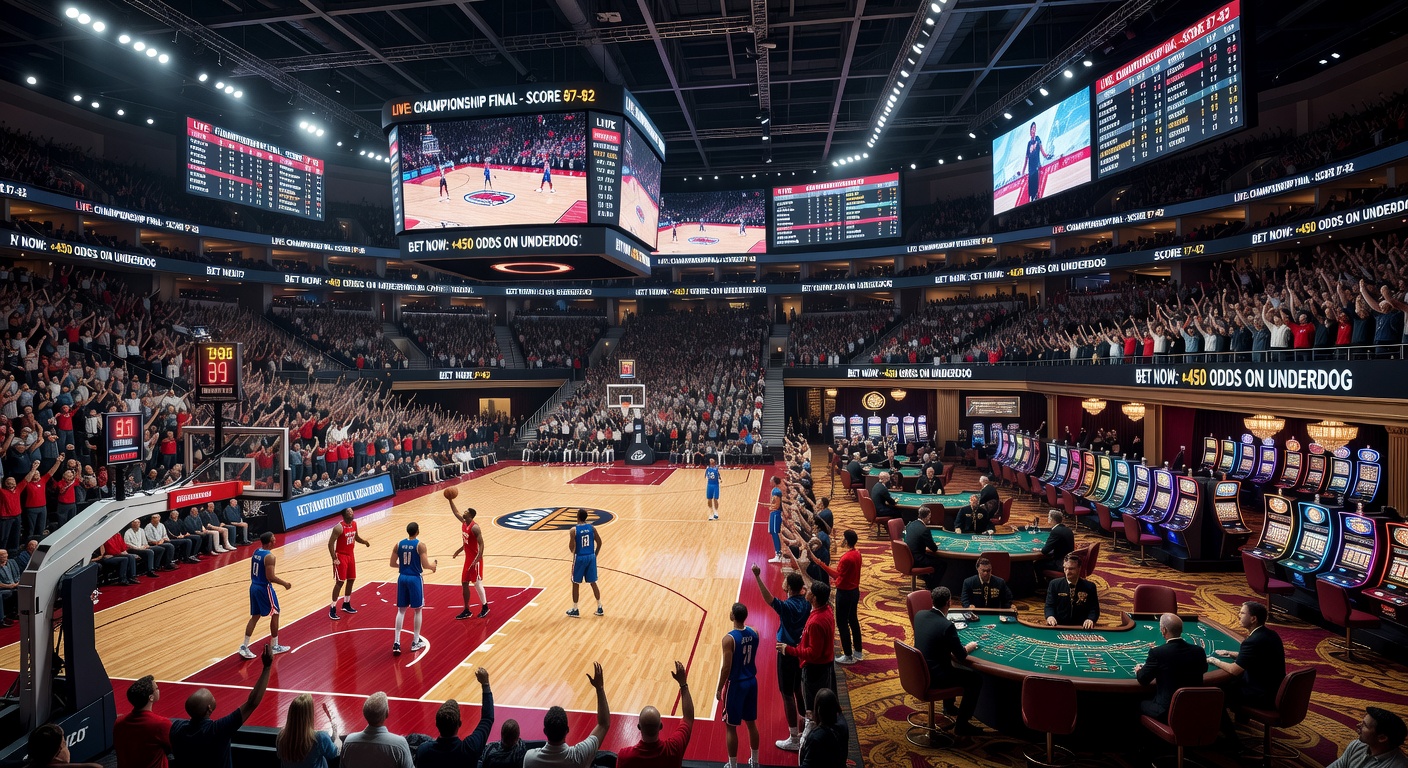
Las Vegas has long blended athletic venues wth casino environments, creating spaces where spectators move between live events and betting floors during high-profile competitions; this integration draws visitors who seek both the energy of arenas and the convenience of on-site wagering options. Observers note that facilities near the Las Vegas Strip position sportsbooks adjacent to major stadiums, allowing fans to transition quickly from game attendance to viewing replays or placing wagers on ongoing matches.
Development of Integrated Venues
Construction of modern arenas such as T-Mobile Arena and Allegiant Stadium occurred alongside expansions in casino sportsbooks, with developers designing connected pathways that link seating areas directly to betting zones. Data from the Nevada Gaming Control Board indicates that sportsbook revenue in Clark County rose steadily between 2018 and 2024, coinciding with the opening of these athletic facilities and the legalization adjustments that followed the 2018 Supreme Court decision on sports wagering. Those who study visitor patterns report that fans often arrive at casinos hours before tip-off or kickoff to secure positions near large display screens while simultaneously accessing mobile betting apps tied to the same properties.
Key Venues and Layout Features
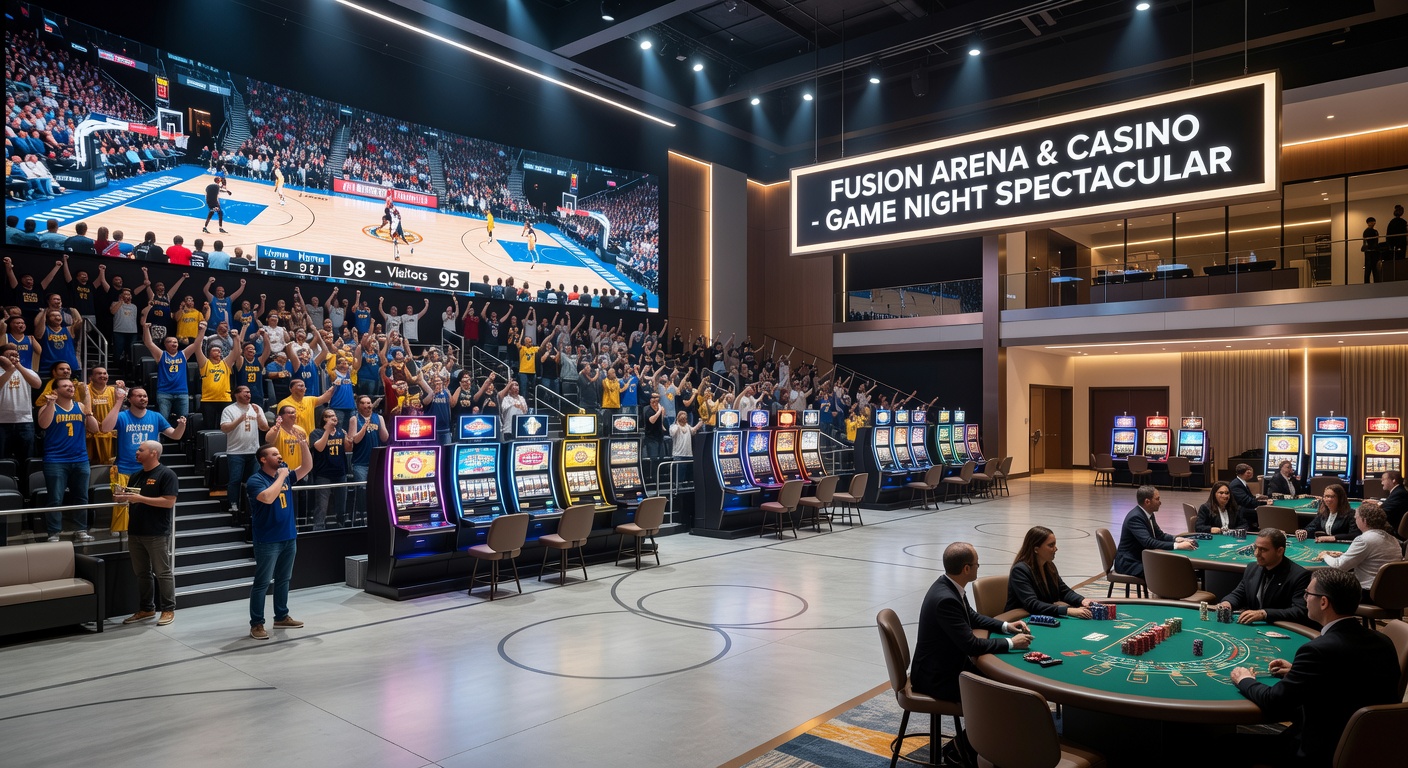
Properties including the Venetian, Caesars Palace, and Circa Resort feature expansive sportsbooks equipped with tiered seating that mimics arena configurations, complete with multiple camera feeds and real-time statistics overlays. Engineers incorporated climate-controlled walkways between these casino floors and nearby athletic complexes so that attendees can move without exposure to outdoor temperatures, a detail that proves useful during events scheduled in May when daytime highs frequently exceed 90 degrees Fahrenheit. In 2026, several properties plan additional digital kiosks ahead of anticipated playoff series, reflecting ongoing adjustments to accommodate larger crowds.
Architectural plans reveal deliberate sightlines that allow patrons seated at casino bars to glimpse arena exteriors through strategic window placements, while internal monitors broadcast live action from the adjacent venues. Researchers at the University of Nevada, Las Vegas have documented how these spatial connections influence dwell time, noting that individuals who begin viewing in an arena often extend their stays by relocating to sportsbook areas for post-game analysis and additional wagering activity.
Attendance Patterns During Major Events
During championship periods, foot traffic between arenas and casinos increases measurably, according to figures released by the Las Vegas Convention and Visitors Authority. Super Bowl weekends and NCAA tournament rounds produce peak numbers, with hotels reporting occupancy rates above 95 percent and sportsbooks operating extended hours to handle continuous streams of visitors. Those who track transportation data observe that shuttle services between properties and stadiums run at higher frequencies on game days, reducing wait times for fans who alternate between live attendance and casino viewing sessions.
Technology integration plays a central role, as many casinos now deploy synchronized apps that allow users to follow arena action while placing bets from the same device; this system reduces the need to carry separate tickets or confirmations. Industry reports compiled by the American Gaming Association show that mobile wagering accounts for over 60 percent of total sports betting volume in Nevada, a shift that encourages fans to remain connected across physical locations rather than committing exclusively to one environment.
Economic and Operational Considerations
Revenue streams generated from these fused spaces include not only wagering but also food service, merchandise sales, and hotel room bookings tied to event packages. Operators adjust staffing levels weeks in advance, bringing in additional dealers, servers, and security personnel trained to manage dense crowds during simultaneous arena and sportsbook activity. Maintenance crews coordinate schedules so that cleaning and restocking occur in staggered shifts that avoid disrupting peak viewing windows.
Regulatory oversight from the Nevada Gaming Control Board requires clear separation between betting terminals and live entertainment zones in certain configurations, yet allows shared common areas that facilitate movement between the two. Compliance teams conduct regular audits to verify that age restrictions and responsible gaming measures remain consistent whether patrons are inside an arena concourse or seated at a casino bar.
Future Developments Through 2026
Expansion projects scheduled for completion before May 2026 include upgraded LED video walls and enhanced Wi-Fi capacity in multiple sportsbooks, measures intended to support simultaneous streaming of several major league games. City planning documents outline continued investment in pedestrian infrastructure that further connects the Strip corridor with new arena additions, reducing reliance on vehicle transport during high-attendance periods. Observers expect these modifications to accommodate growing numbers of international visitors who arrive specifically for combined arena and casino experiences.
Conclusion
The physical and operational links between Las Vegas athletic arenas and casino floors continue to evolve through coordinated development, technology adoption, and regulatory frameworks that support both entertainment and wagering activities. Attendance data and infrastructure investments demonstrate sustained demand for environments where fans can navigate between live events and betting facilities without interruption. As new projects advance toward 2026, the established patterns of integrated gathering spaces remain central to how major games are experienced in the region.