Immersive Realms Within Themed Resorts: How Vegas Hotel Designs Craft Fantasy Worlds That Guide Every Visitor Move
Written by Tina Vogel · May 16, 2026
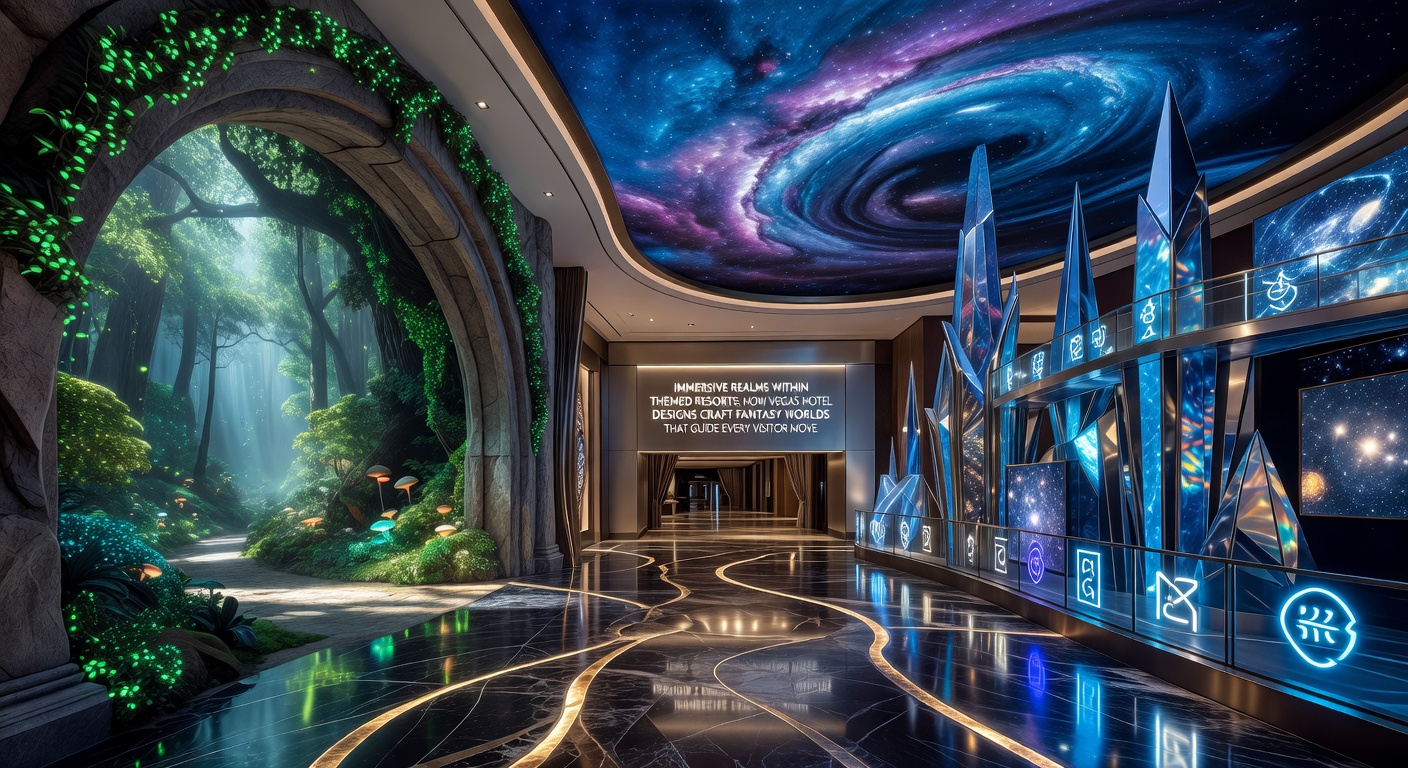
Immersive Realms Within Themed Resorts: How Vegas Hotel Designs Craft Fantasy Worlds That Guide Every Visitor Move
Las Vegas hotel designers have long used layered theming to shape how guests navigate spaces from the moment they enter a property until they exit, and this approach continues to evolve with new construction projects slated for completion by May 2026. Themed resorts integrate architecture, lighting, soundscapes, and spatial sequencing so that movement between casinos, restaurants, shows, and retail areas follows deliberate routes rather than random wandering. Observers note that these elements create self-contained worlds where every corridor, atrium, and escalator placement directs traffic toward revenue-generating zones while maintaining the illusion of free exploration.
Architectural Sequencing and Guest Flow Patterns
Design teams begin with site plans that position signature attractions at focal points visible from multiple angles, and this tactic pulls visitors along predetermined paths through connecting spaces filled with consistent thematic details. At properties such as the Venetian, reproductions of Venetian canals and bridges lead guests from registration desks directly toward casino floors and then onward to gondola rides that double as transport between hotel towers and shopping promenades. Similar logic appears at Caesars Palace, where the Roman forum layout funnels traffic past high-limit gaming areas and into the Colosseum theater district, because the repeating columns and statuary maintain visual continuity that discourages abrupt changes in direction. Researchers at the University of Nevada, Las Vegas have documented how these spatial cues reduce decision fatigue for first-time visitors while increasing dwell time in commercial zones.
Lighting designers further refine movement by shifting color temperatures and intensity levels along routes, and cooler tones often mark transitional zones while warmer, saturated hues highlight gaming and dining destinations. Sound engineers layer ambient tracks that change volume and tempo to match the pace expected in each section, creating subtle audio boundaries that people register without conscious effort. Data from the Las Vegas Convention and Visitors Authority shows that properties employing coordinated multisensory cues report higher percentages of guests completing full property circuits during single stays.
Case Examples of Fantasy Worlds in Operation
The Luxor pyramid interior demonstrates how vertical circulation can become part of the narrative, with inclined walkways and moving walkways inside the atrium guiding visitors from lower-level gaming to upper-floor attractions without requiring maps or signage clusters. Guests descend through layers of Egyptian motifs that intensify near the main casino bowl, and this progression encourages repeated passes through gaming areas before reaching showrooms or restaurants located at the base. At the Mirage, the central volcano eruption schedule synchronizes with peak evening foot traffic patterns, drawing crowds from surrounding walkways into viewing plazas that connect directly to hotel lobbies and pool decks. Newer additions at Resorts World incorporate interactive digital overlays on physical architecture, where augmented-reality elements appear on guest phones only when individuals follow specific corridors, reinforcing the intended sequence through gamified rewards.
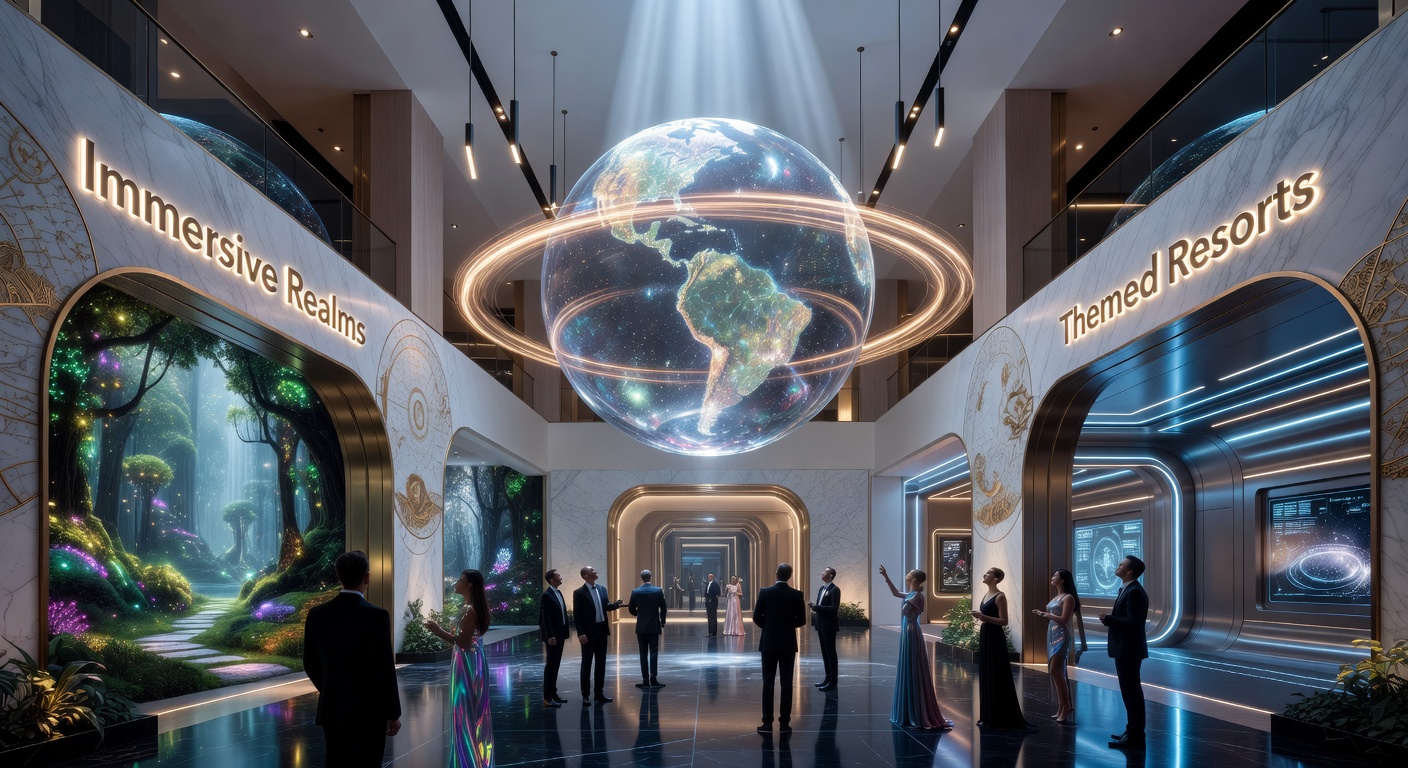
Properties under renovation for 2026 openings are extending these principles with modular thematic zones that can adapt seasonally, and early renderings indicate expanded use of scent diffusion systems along pathways to strengthen immersion without interrupting flow. One ongoing project at the Paris Las Vegas replaces older static facades with programmable LED arrays that shift between daylight and nighttime Parisian street scenes, guiding visitors from the Strip entrance toward indoor dining terraces in a continuous visual narrative.
Integration of Technology and Traditional Design
Modern implementations combine classic architectural tricks with mobile apps and RFID systems that track aggregate movement data while offering personalized prompts, yet the underlying physical layout remains the primary director of traffic. Casino floors still employ the classic "maze" configuration refined over decades, where slot banks and table games create visual barriers that steer guests toward high-traffic corridors lined with retail kiosks. Studies from hospitality research groups indicate that these combined analog-digital approaches increase average property exploration distances by measurable percentages compared with non-themed venues. The Sphere at Venetian Resort adds another layer, where exterior LED displays visible from multiple hotel vantage points draw pedestrians along pedestrian bridges and into connected entertainment districts during scheduled programming blocks.
Conclusion
Vegas themed resorts continue refining spatial narratives that turn entire properties into cohesive fantasy environments, and these strategies rely on precise coordination of architecture, sensory cues, and data-informed adjustments to maintain efficient yet engaging visitor circulation. As new builds and renovations approach their 2026 timelines, designers incorporate lessons from existing properties to further embed guidance mechanisms within immersive storytelling. The result remains a system where guests experience apparent freedom of movement while following routes that maximize exposure to every revenue center the resort offers.