Hybrid Zones: Where Sports Wagering Lounges Blend with Concert Venues to Shape Nightly Crowd Flows
Written by Tina Vogel · Jul 16, 2026
Hybrid Zones: Where Sports Wagering Lounges Blend with Concert Venues to Shape Nightly Crowd Flows
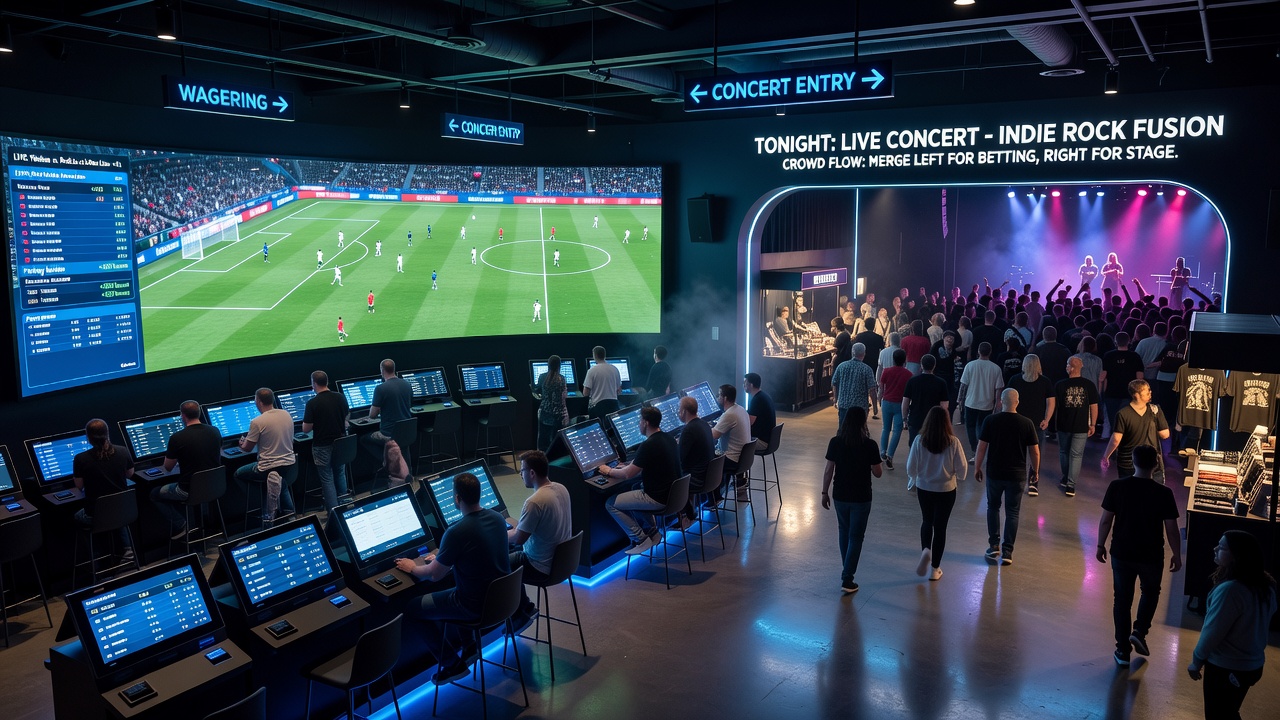
Hybrid zones emerge across Las Vegas properties where sports wagering lounges connect directly to concert venues, creating pathways that direct thousands of visitors each night. These integrated spaces combine betting terminals with performance halls so that attendees transition between activities without leaving the same complex. Data from the Nevada Gaming Control Board indicates that such configurations handle peak traffic between 7 PM and 1 AM on weekends, with flows influenced by event schedules and betting windows.
Designers position lounges near stage entrances to capture pre-show energy, while post-performance crowds often linger at betting stations. Observers note that this setup reduces street-level congestion by keeping movement internal, and it allows venues to manage capacity through timed access points. Research from the University of Nevada, Las Vegas tracks these patterns using sensor data that records average dwell times of 45 minutes in wagering areas before guests proceed to seats.
Layout Configurations and Traffic Patterns
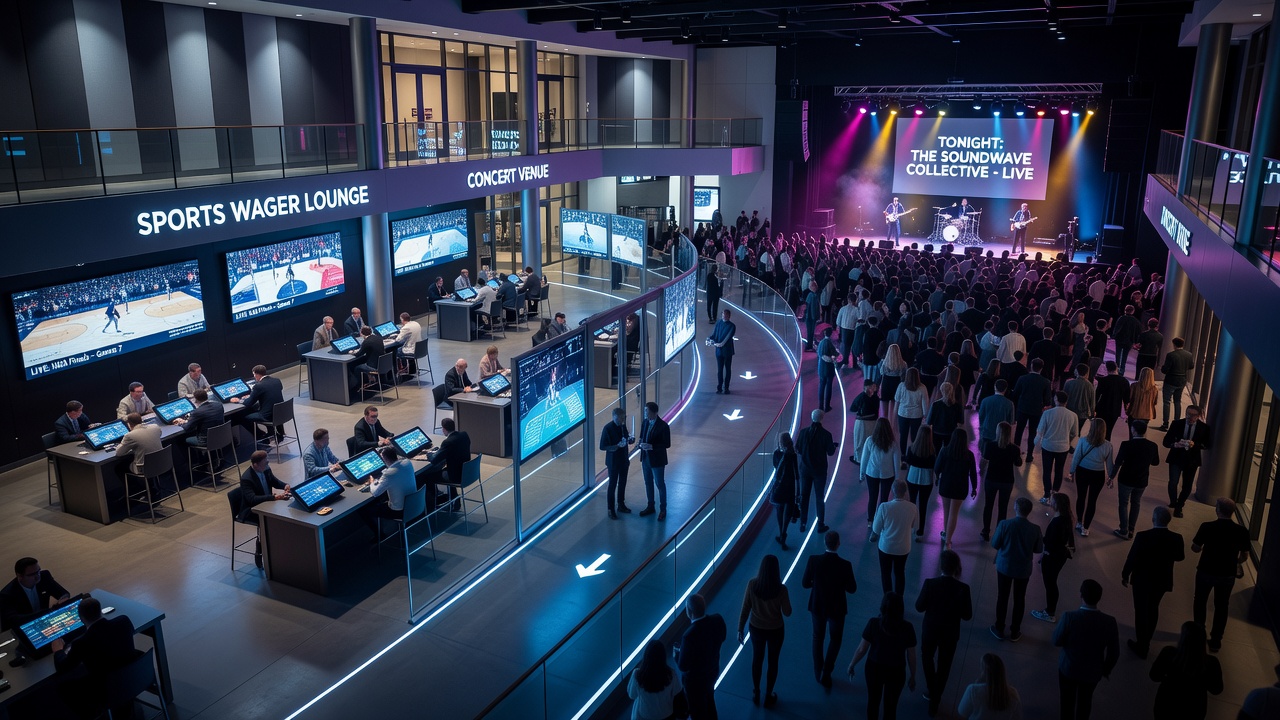
Venues arrange hybrid zones with open sightlines between betting counters and concert entrances so visitors spot opportunities without detours. Multiple properties feature elevated walkways that link upper-level lounges to arena floors, and these connections handle bidirectional movement when concerts end and late-night betting peaks. Figures reveal that simultaneous events increase foot traffic by 30 percent compared to standalone nights, prompting staff to adjust barriers and signage in real time.
Acoustic buffers separate high-energy concert output from quieter wagering sections, yet the zones remain visually connected through glass partitions. This design lets people monitor games while listening to performances, and it encourages extended stays that benefit both revenue streams. Case studies from major resorts show that hybrid layouts accommodate up to 2,500 simultaneous visitors during sold-out shows, with crowd management teams coordinating entry and exit sequences.
Event Timing and Seasonal Adjustments
Summer schedules intensify activity because outdoor concerts pair with indoor sports betting during July 2026 events, including major league games and festival weekends. Properties extend operating hours to align with late finishes, and digital kiosks redirect guests from gaming floors toward retail corridors when concert crowds disperse. Those who monitor these systems report smoother transitions when alerts notify staff of upcoming set breaks or final innings.
Supply chains adapt by stocking additional concessions near transition points, while security protocols shift to cover both betting disputes and venue access. Data shows that hybrid zones during peak summer months record higher average spend per visitor because guests combine entertainment purchases with wagering activity in one visit.
Technology Integration and Monitoring
Digital wayfinding systems update in real time to reflect concert start times and betting odds changes, guiding visitors along efficient routes. Sensors embedded in flooring collect anonymized movement data that operators use to predict bottlenecks, and this information feeds into staffing models that deploy additional personnel at key junctions. Experts have observed that these tools reduce average transit times between zones by 12 minutes during high-volume evenings.
Resorts test augmented reality overlays on mobile apps that highlight nearby betting opportunities while users navigate concert areas. Integration with property-wide networks ensures consistent information across connected spaces, and it supports compliance with age restrictions by verifying credentials at entry points. Reports from industry groups note that such technology maintains flow even when unexpected delays occur, such as extended encores or overtime periods in sports events.
Operational Coordination Across Properties
Staff teams coordinate across departments to align shift changes with event timelines, and this synchronization prevents gaps in service during transitions. Vendor contracts adjust delivery schedules so that food and beverage supplies reach hybrid zones ahead of anticipated rushes. Those responsible for logistics track inventory levels through shared platforms that link concert and wagering operations, ensuring continuity without separate restocking runs.
Partnerships with local transit providers time shuttle arrivals to match post-concert exits, which further channels movement away from crowded internal paths. Data collected over multiple seasons demonstrates that these coordinated efforts stabilize nightly flows even as overall visitor numbers fluctuate with tourism trends.
Conclusion
Hybrid zones continue to evolve as properties refine connections between sports wagering lounges and concert venues. Ongoing adjustments to layout, technology, and scheduling respond to measured crowd data and seasonal demands. These configurations demonstrate how integrated design influences movement patterns while supporting multiple revenue sources within single complexes.