How Water Conservation Mandates Have Reshaped Resort Landscape Designs, Guest Amenity Options, and Irrigation Systems Across Desert Properties
Written by Uma Hartmann · Jul 14, 2026
How Water Conservation Mandates Have Reshaped Resort Landscape Designs, Guest Amenity Options, and Irrigation Systems Across Desert Properties
Desert resort properties have undergone measurable transformations since water conservation mandates took hold in arid regions, and these changes affect everything from outdoor plant selections to the types of water features available for guests. Data from regional water authorities shows that properties in places like southern Nevada now prioritize native and drought-resistant vegetation over traditional turf and ornamental displays, while irrigation networks incorporate sensors and reclaimed water sources to meet stricter usage limits. Observers note that these adjustments align with ongoing regulations that cap annual consumption for large hospitality operations, and the results appear in redesigned gardens as well as updated amenity lists that emphasize shaded seating areas instead of expansive pools.
Landscape Design Adaptations
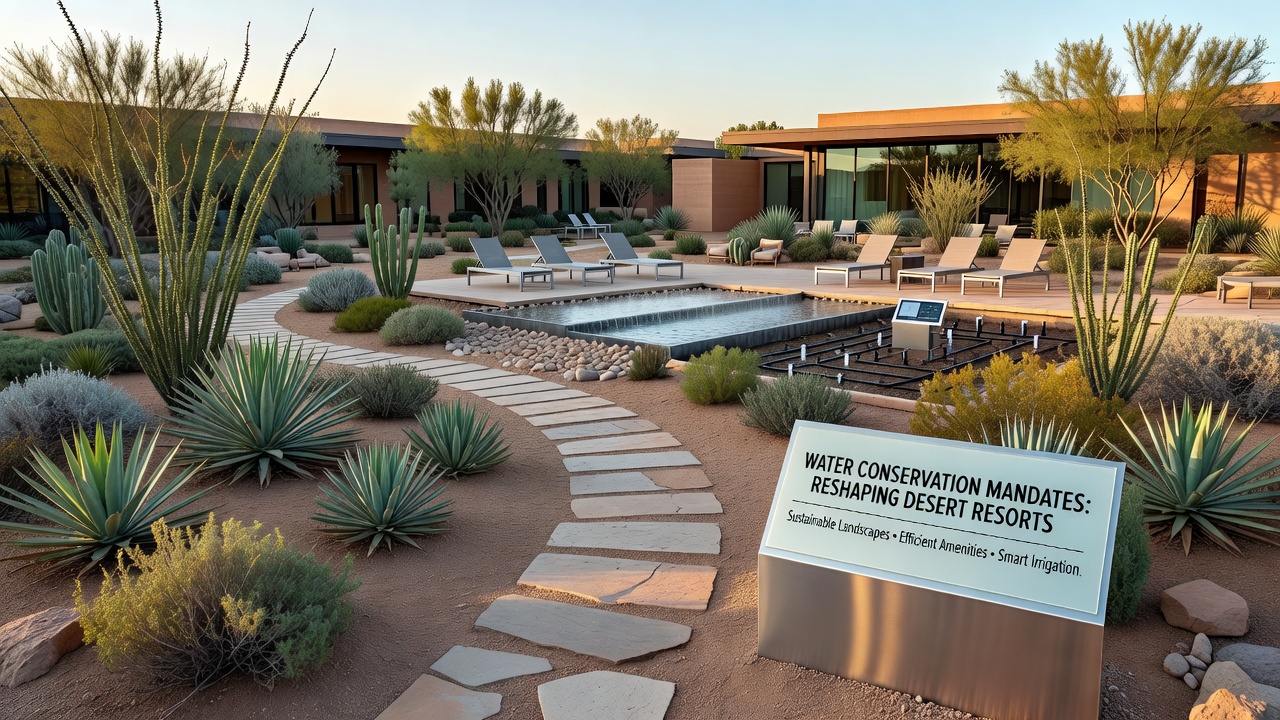
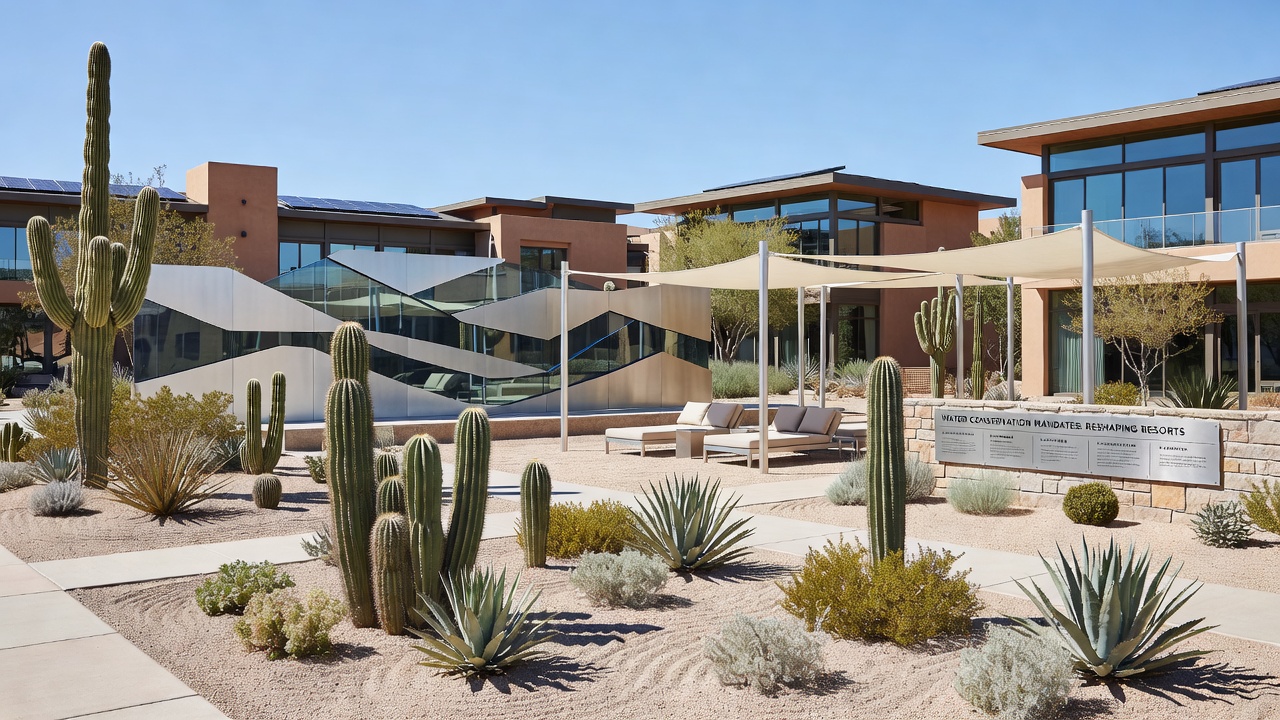
Resort grounds crews have shifted toward xeriscaping principles that replace high-water grass with gravel beds, succulents, and desert-adapted shrubs, and this transition follows mandates issued by local agencies that track monthly usage reports. Studies from the University of Nevada indicate that such plant palettes can reduce outdoor water demand by up to 50 percent compared with older layouts, while still maintaining visual appeal through strategic placement of boulders and pathways. Those who manage desert properties report that color palettes now draw from earth tones and silver-leaf species rather than lush greens, and maintenance schedules incorporate soil moisture monitoring to avoid overwatering during peak summer months. As of July 2026, several Las Vegas-area resorts continue to phase out remaining lawn sections in favor of permeable hardscaping that directs runoff into collection basins for later reuse.
Guest Amenity Adjustments
Water-intensive features such as multiple swimming pools and decorative fountains have been scaled back or replaced with alternatives that consume less volume, and this pattern emerges directly from permit conditions that tie new construction approvals to conservation benchmarks. Properties now highlight misting stations, shaded cabanas, and dry spa experiences that deliver comfort without constant water circulation, while some venues promote nearby hiking trails or indoor wellness centers to offset reduced aquatic options. Figures from hospitality trade reports reveal that guest surveys conducted after these modifications show stable satisfaction levels when operators communicate the environmental rationale behind the updates. One resort group documented a pivot toward botanical tours of native plant installations, turning conservation requirements into educational programming that engages visitors during their stays.
Irrigation System Upgrades
Modern irrigation networks at desert resorts rely on centralized controls, drip lines, and weather-linked controllers that adjust delivery based on real-time evapotranspiration data, and these technologies satisfy mandates that require documented efficiency improvements each year. Reclaimed water from municipal treatment plants now supplies a growing share of non-potable needs, including turf where it remains and tree irrigation zones, which reduces reliance on potable sources. Research conducted by Arizona State University engineers demonstrates that sensor-driven systems cut waste by detecting leaks within minutes and routing water only to zones that register dry conditions. Properties that adopted subsurface drip methods report fewer evaporation losses during daytime operations, and routine audits verify compliance with flow restrictions that apply across the entire property footprint.
Integrated Planning and Compliance
Design teams now coordinate landscape architects with water resource specialists during initial planning stages, and this collaboration ensures that every new garden bed or amenity addition meets projected consumption caps before construction begins. Mandates in desert jurisdictions often include tiered pricing for excess usage, which creates financial incentives for early adoption of efficient technologies. Case examples from properties along the Las Vegas Strip illustrate how phased retrofits of older irrigation lines with pressure-regulated heads have produced consistent savings that compound over multiple seasons. Those who track industry trends point to partnerships with local utilities that offer rebates for verified upgrades, further accelerating the pace of system replacements across multiple sites.
Conclusion
Water conservation mandates continue to drive measurable shifts in how desert resort properties approach outdoor spaces, guest experiences, and technical infrastructure, and the cumulative effects show up in plant inventories, amenity menus, and daily operational logs. Ongoing data collection by regulatory bodies and academic partners provides a record of reduced consumption that aligns with broader regional supply goals, while resort operators maintain service levels through creative substitutions and technology integration. The pattern established through these adaptations offers a template that other arid locations reference when similar rules come into effect.