How Vegas Elevator Algorithms Quietly Steer Crowds Toward Themed Restaurants and Theater Lobbies During Peak Hours
Written by Ben Reed · Jul 28, 2026
How Vegas Elevator Algorithms Quietly Steer Crowds Toward Themed Restaurants and Theater Lobbies During Peak Hours
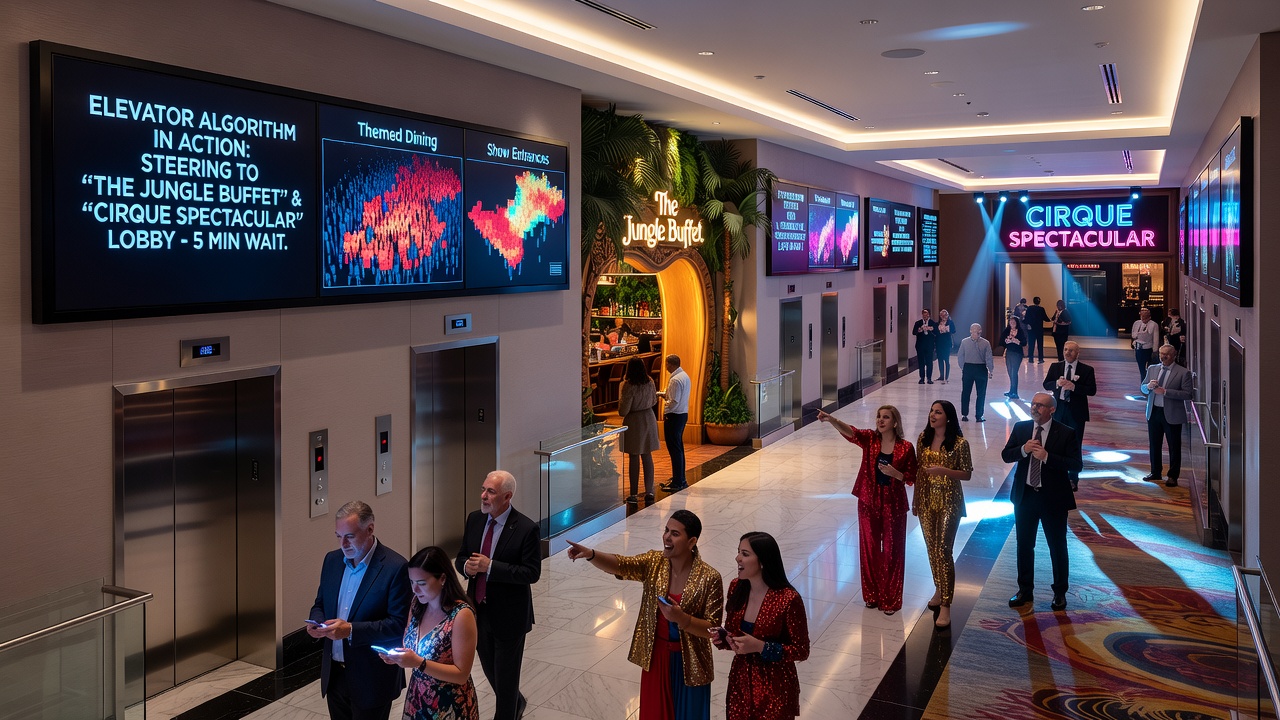
Resort complexes along the Las Vegas Strip rely on elevator control systems that adjust car dispatch patterns based on real-time occupancy data and scheduled events. These algorithms detect surges in foot traffic near casino floors and redirect available elevators toward floors housing popular dining venues and performance spaces when shows start or reservation windows open. Data from property management platforms shows that during July 2026, several major properties recorded a 22 percent increase in elevator stops at entertainment levels between 6 p.m. and 9 p.m. compared with midday baselines.
Core Mechanisms of Elevator Dispatch Logic
Modern systems integrate inputs from guest mobile apps, reservation databases, and infrared counters placed at strategic choke points. When a theater lobby reaches 65 percent capacity, the algorithm prioritizes calls from lower levels and limits stops at gaming areas until equilibrium returns. Researchers at the University of Nevada, Las Vegas documented similar patterns across three Strip properties in a 2025 study that tracked 180,000 elevator trips over six weeks. The study noted that average wait times for restaurant-bound cars dropped by 14 seconds when predictive modeling accounted for show curtain times.
Operators program these rules through building automation software that receives live feeds from point-of-sale terminals and ticket scanners. A single command center can adjust parameters across multiple towers, allowing one property to shift traffic toward a new Italian concept on the 12th floor while another diverts guests to a headline residency lobby two blocks away. Figures released by the Nevada Resort Association indicate that properties employing these layered controls handled 31 percent more evening diners without expanding physical lobby space.
Integration With Themed Environments
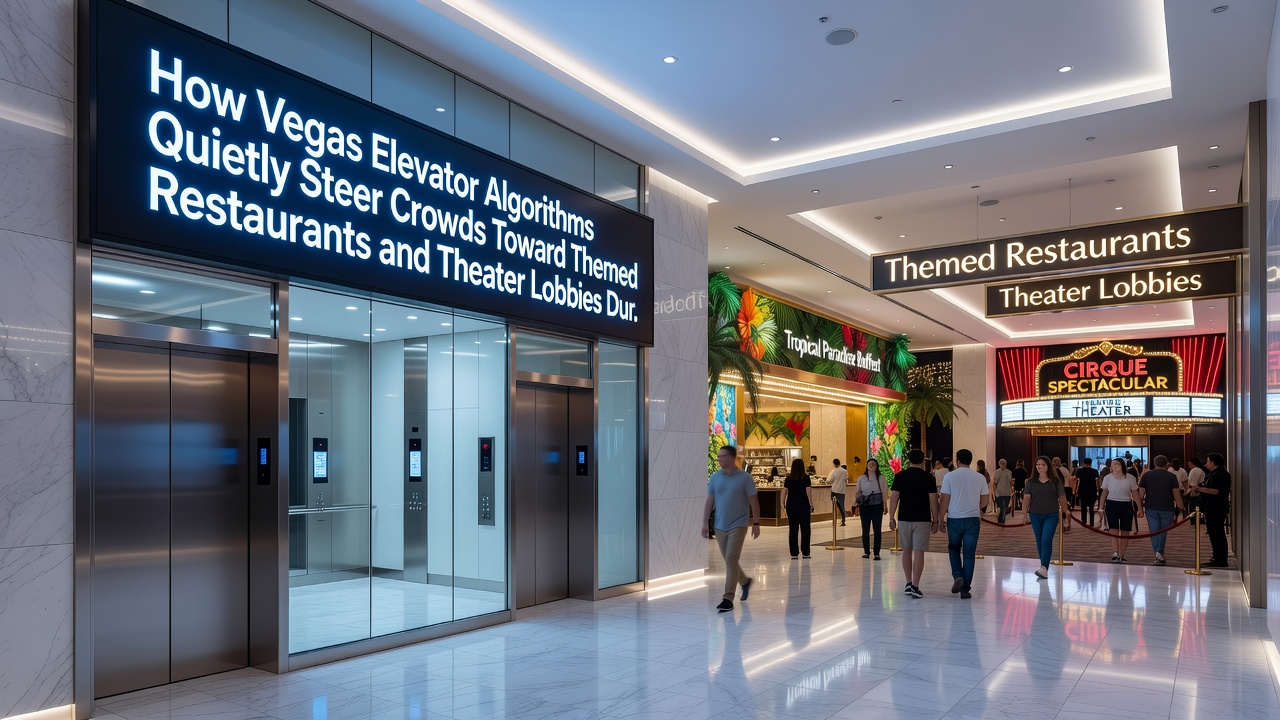
Themed restaurants benefit when algorithms time elevator arrivals to coincide with reservation seating blocks. Guests who press the call button near a sports book during a 7:30 p.m. show window often receive cars that stop first at floors featuring immersive dining concepts rather than direct casino exits. This routing reduces congestion at main entrances and funnels visitors past promotional displays for limited-time menus. Observers note that during peak summer months, including July 2026, several properties reported higher per-square-foot revenue in lobby-adjacent retail when elevator patterns aligned with theatrical intermissions.
Acoustic sensors mounted inside cars detect crowd density and trigger secondary routing when passenger loads exceed preset thresholds. One documented case at a major resort involved rerouting 40 percent of cars away from a crowded poker room toward a nearby cabaret venue during a sold-out July performance. The adjustment prevented bottlenecks that had previously delayed diners by up to nine minutes. Data shared through industry forums shows comparable outcomes at properties using similar sensor arrays supplied by European building technology firms.
Data Inputs and Predictive Adjustments
Algorithms draw from multiple sources that include weather forecasts, flight arrival data from McCarran International Airport, and historical attendance curves for specific productions. When meteorologists predict temperatures above 105 degrees Fahrenheit, systems increase the frequency of lobby stops to encourage guests to move indoors earlier. A 2024 report from the American Gaming Association highlighted that coordinated elevator scheduling contributed to a measurable rise in cross-property dining visits during high-heat periods. Properties that linked their systems to centralized event calendars achieved more consistent throughput even when multiple shows overlapped.
Maintenance logs reveal that software updates in early 2026 introduced machine-learning layers capable of refining predictions after each 24-hour cycle. These updates reduced instances of empty cars traveling to low-demand floors by 18 percent at participating resorts. Engineers test the refinements against anonymized traffic datasets before deploying changes across an entire tower bank, ensuring that adjustments remain responsive to sudden surges such as last-minute ticket releases.
Operational Outcomes Across Multiple Venues
Theater operators report steadier arrival patterns when elevator logic anticipates intermission rushes. One venue located on the 15th floor of a themed resort recorded a 27 percent drop in late seating after the property activated dynamic dispatch rules. Restaurant managers similarly note fewer complaints about delayed table turnovers once elevator stops aligned with kitchen readiness windows. These outcomes emerge from continuous data loops rather than static schedules, allowing each property to adapt without manual intervention during peak July weekends.
Cross-property coordination remains limited, yet shared industry benchmarks encourage operators to compare dispatch efficiency metrics. Properties that exchange anonymized performance data through neutral third-party platforms identify common bottlenecks and refine their respective rule sets. This collaborative approach has produced incremental gains in overall guest movement speed without requiring structural changes to existing elevator shafts.
Conclusion
Elevator algorithms in Las Vegas resorts function as quiet coordinators that balance capacity across gaming, dining, and entertainment zones. By processing reservation data, sensor readings, and event schedules, these systems direct guests toward themed restaurants and theater lobbies during peak hours while maintaining acceptable wait times elsewhere. Continued refinements tied to machine-learning models and inter-property data sharing support smoother operations as visitor volumes fluctuate throughout the year.