How Digital Wayfinding Kiosks Redirect Crowds from Gaming Areas to Nearby Retail Corridors During Peak Hours
Written by Willa Hartmann · Jun 18, 2026
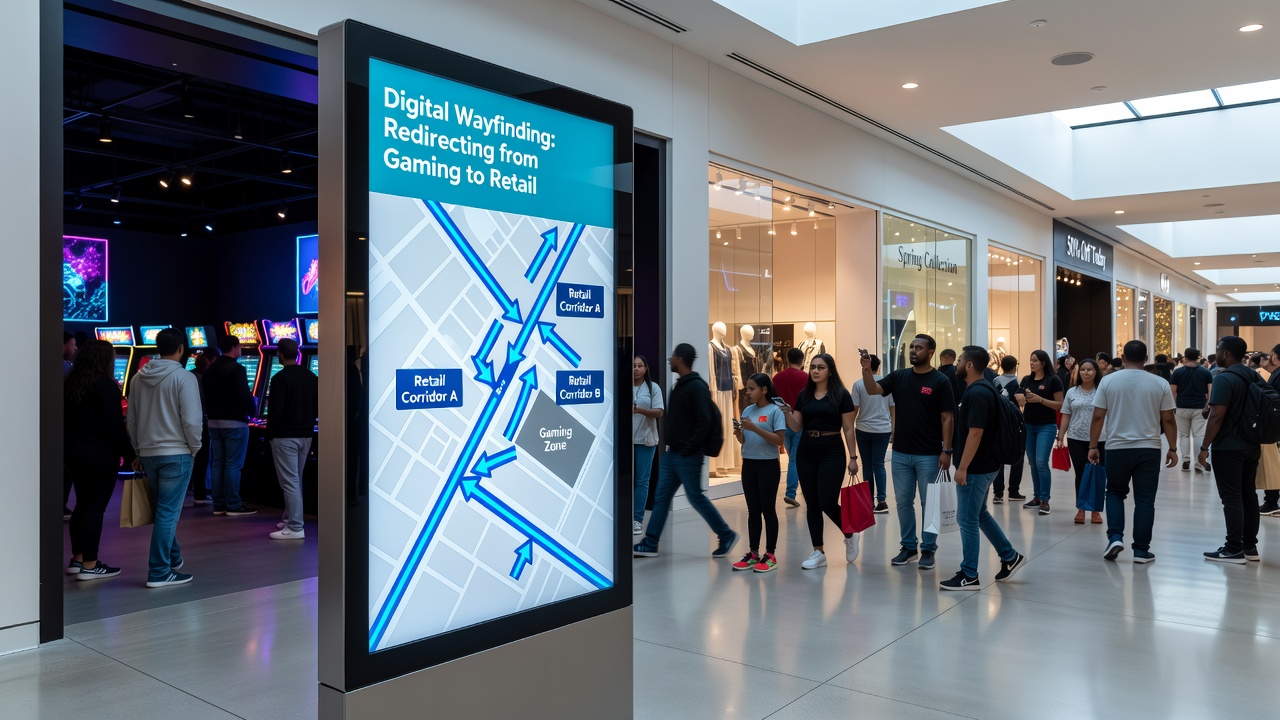
How Digital Wayfinding Kiosks Redirect Crowds from Gaming Areas to Nearby Retail Corridors During Peak Hours
Digital wayfinding kiosks have become standard fixtures in large resort complexes across Las Vegas where high foot traffic from gaming zones creates pressure points during evening and weekend peaks, and operators deploy these interactive screens to balance visitor distribution by suggesting alternate routes to adjacent retail corridors. Data collected from motion sensors and visitor tracking systems feeds into algorithms that detect congestion levels in real time, prompting the kiosks to display tailored directions that steer groups away from saturated slot banks and table games toward shopping promenades with available capacity.
Mechanics of Real-Time Crowd Management
Sensors embedded throughout gaming floors capture movement patterns while software platforms process occupancy metrics every few minutes, and when thresholds reach critical points the kiosks activate prompts that highlight shorter paths or timed incentives such as retail promotions available only during specific windows. This integration allows properties to maintain flow without manual intervention from staff, and studies from the University of Nevada Las Vegas tourism research group show that such systems reduce dwell times in core gaming areas by up to 18 percent during identified peak windows. Observers note that the technology pairs with mobile apps in some cases so visitors receive consistent guidance across devices, which extends the reach beyond physical kiosk locations.
Implementation Across Major Strip Properties
Resorts have rolled out updated kiosk networks ahead of anticipated summer surges, with installations completed by early 2025 in several major properties to prepare for increased visitation, and projections for June 2026 forecast continued refinement of these systems as visitor volumes climb during major conventions and holiday weekends. Retail corridors benefit when kiosks highlight store directories alongside gaming exit routes, and operators coordinate with tenants to sync promotional messaging that appears on screens when foot traffic shifts. Those who manage these deployments report that the kiosks also provide multilingual options to accommodate international guests, which broadens accessibility during periods when diverse crowds converge on the property.
Effects on Retail Corridor Utilization
Retail zones adjacent to gaming floors experience measurable upticks in entry rates once wayfinding systems activate, and transaction data from point-of-sale terminals indicates corresponding lifts in conversion during redirected periods. The approach spreads visitor density more evenly across property footprints, which in turn supports extended operating hours for select retail outlets that align with gaming peak patterns. Industry reports compiled by the American Gaming Association highlight how these interventions help properties optimize space usage without expanding physical footprints, and similar strategies appear in other entertainment districts worldwide including those overseen by regulatory bodies such as the Casino Regulatory Authority of Singapore.
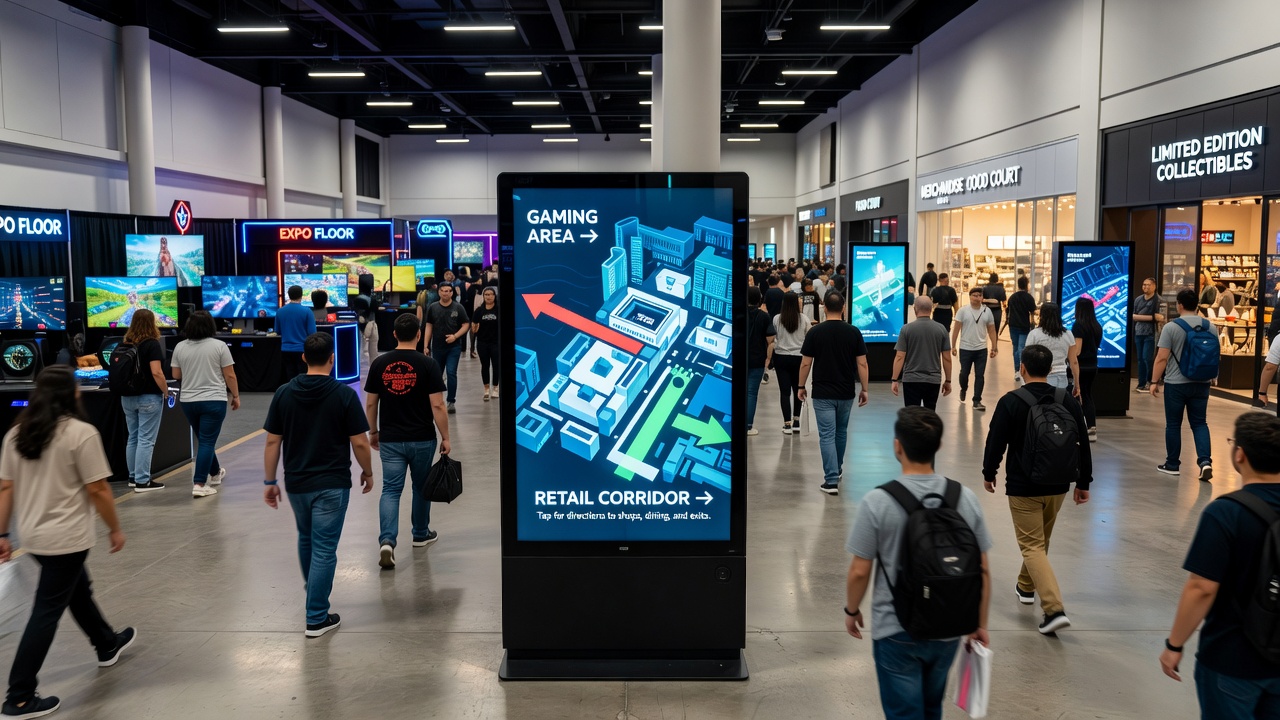
One property documented a 22 percent rise in corridor footfall after installing adaptive signage that responds to live gaming occupancy, and this pattern repeats across multiple sites where retail tenants adjust staffing based on kiosk-triggered alerts shared through internal dashboards. The system also logs anonymized route choices so planners can refine future layouts, and this feedback loop strengthens the accuracy of suggestions over successive peak cycles.
Integration with Broader Property Operations
Wayfinding platforms connect to security and facilities teams through centralized control rooms, which enables rapid adjustments when unexpected gatherings form near high-limit rooms or tournament areas, and maintenance crews receive alerts for any kiosk malfunctions that could disrupt guidance flows. Partnerships with transit networks around the Las Vegas Strip further extend the utility because kiosks sometimes display shuttle schedules that align with retail closing times, helping visitors plan onward movement after shopping stops. Data sharing agreements between resort operators and local agencies support these coordinated efforts, and figures released by the Las Vegas Convention and Visitors Authority confirm that integrated digital tools contribute to smoother overall movement across entertainment districts.
Future Developments Scheduled for 2026
Upgrades planned for rollout before June 2026 include enhanced AI models that incorporate weather data and event calendars to anticipate surges earlier in the day, while pilot programs test voice-activated interfaces that reduce screen-touch requirements in high-traffic zones. Retail partners are exploring dynamic pricing displays tied directly to kiosk recommendations, which could highlight limited-time offers as crowds approach. Those tracking these advancements point to expanded use of augmented reality overlays on newer kiosk hardware that will allow visitors to preview store layouts before committing to a route.
Conclusion
Digital wayfinding kiosks continue to shape visitor movement patterns by linking gaming area data with retail corridor capacity in coordinated sequences that keep overall property flow efficient, and ongoing refinements ensure these tools adapt to seasonal and event-driven changes through 2026 and beyond. The approach demonstrates how technology supports balanced utilization across resort components without requiring physical expansions or additional staffing layers.