Event Calendars Directing Temporary Art Installations Across Busy Resort Areas
Written by Ben Reed · Aug 18, 2026
Event Calendars Directing Temporary Art Installations Across Busy Resort Areas
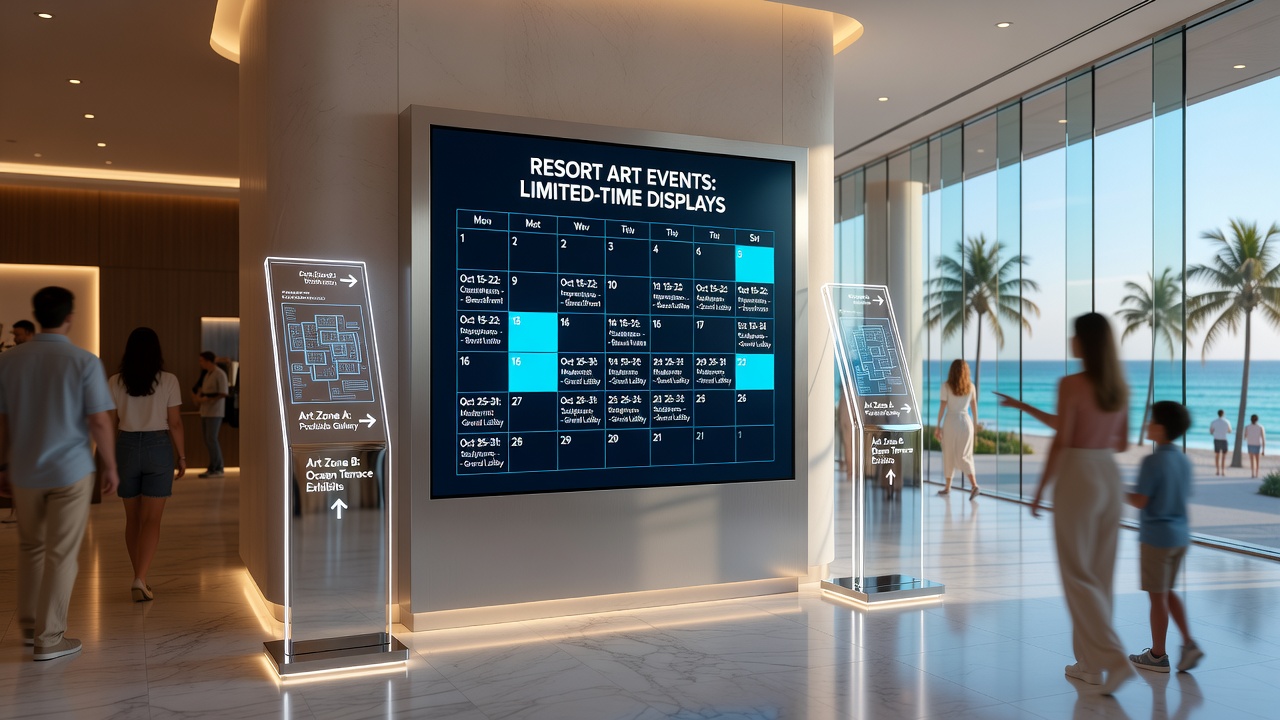
Event calendars serve as the primary tool that resort planners consult when scheduling limited-time art displays because these documents map out conventions, festivals, and peak visitor surges months in advance. Data from the Las Vegas Convention and Visitors Authority shows that coordinated timing increases foot traffic exposure for installations by aligning them with known high-attendance windows rather than random placement. Planners review these calendars to identify periods when thousands of additional visitors will move through specific resort zones, and they reserve prominent spots accordingly while accounting for installation timelines and removal logistics. High-traffic resort zones typically include main casino floor entrances, connecting walkways between properties, and open plazas near registration desks. Observers note that these locations receive consistent daily foot traffic from both overnight guests and day visitors, which makes them ideal for short-term exhibits that run anywhere from two weeks to three months. Event calendars help narrow down exact dates because major gatherings such as trade shows or music festivals create predictable crowd patterns that repeat annually, allowing teams to book display permits and coordinate with vendors well ahead of time.Planning Process Behind Calendar-Driven Placement
Resort operations teams begin by cross-referencing event calendars with internal visitor flow data collected through sensors and security reports. This combined information reveals which corridors will see the steepest increases during particular weeks, and planners then match those surges to available art pieces that fit the space dimensions and theme of the surrounding resort. Researchers at institutions studying urban tourism have documented how this method reduces last-minute adjustments because advance knowledge of events allows crews to secure permits, schedule lighting technicians, and arrange insurance coverage in a single workflow. Limited-time displays often feature large-scale sculptures, interactive light installations, or rotating photography collections that arrive via specialized transport and require climate-controlled staging areas before installation. Because event calendars list both public festivals and private corporate functions, teams can stagger multiple exhibits across different zones so that one display does not compete visually with another nearby. Coordination extends to neighboring properties when walkways connect several resorts, and shared calendars help prevent overlapping installation dates that could block pedestrian routes.Examples of Calendar-Guided Installations
One documented case involved a multi-week neon sculpture series placed along a central Strip connector during a major electronics convention in 2024, when attendance figures exceeded 150,000. The placement was chosen after calendar review showed consistent evening foot traffic between two major resorts, and the exhibit remained on view until the convention concluded. Another instance saw a botanical-themed light projection mapped onto resort exterior walls during a spring garden festival, with timing determined by advance booking data that predicted peak evening attendance.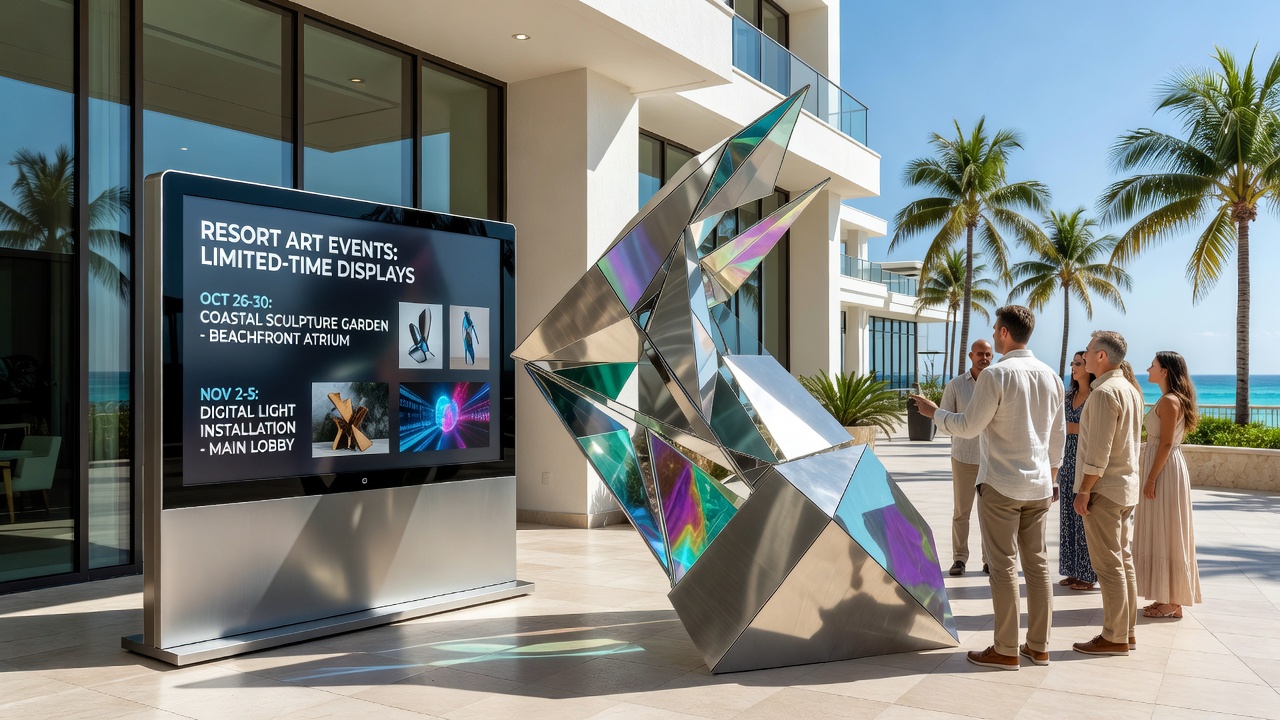 August 2026 presents another window when multiple overlapping events are already listed on public calendars, including large-scale gaming expos and entertainment industry summits. Planners have begun reserving high-visibility zones for rotating digital murals that can be updated weekly to match the changing attendee demographics expected during those weeks. Such advance preparation allows for modular pieces that crews can reconfigure quickly between events without full disassembly.