Esports Arenas Carving Out Space Amid Resort Gaming Floors And Drawing Fresh Crowds To Tournament Play
Written by Willa Hartmann · Jun 11, 2026
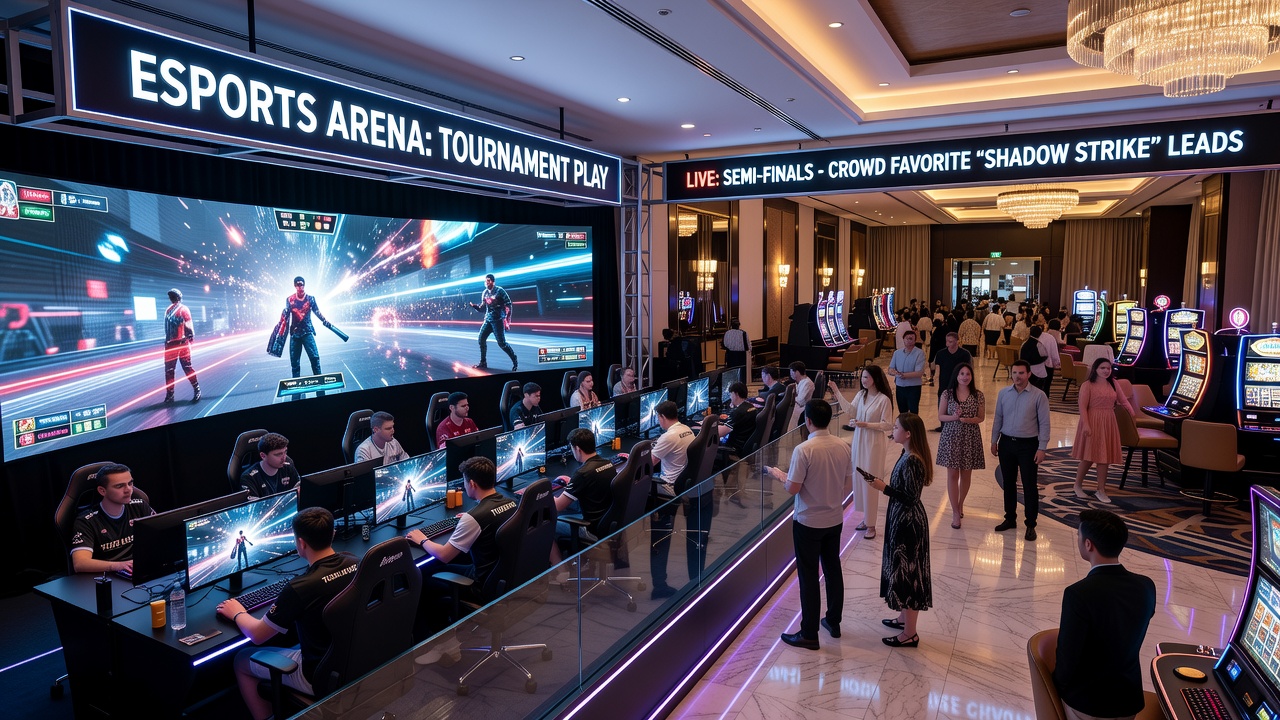
Esports Arenas Carving Out Space Amid Resort Gaming Floors And Drawing Fresh Crowds To Tournament Play
Las Vegas resorts have integrated dedicated esports arenas directly into existing gaming floors, creating hybrid spaces that blend traditional slot machines and table games with high-tech tournament setups, and observers note this shift began accelerating around 2022 as property operators sought to expand visitor demographics beyond core casino patrons.
Facilities now feature modular stages with LED walls, broadcasting equipment, and spectator seating that fit alongside blackjack pits and roulette wheels, while data from the Nevada Resort Association shows several Strip properties allocated between 8,000 and 15,000 square feet to these venues by early 2025.
Integration Patterns Across Resort Properties
Resort operators coordinate with gaming regulators to ensure esports zones comply with floor layout rules, and this coordination allows arenas to operate during standard casino hours while hosting events that run into late evenings. Multiple properties have installed sound-dampening barriers and separate entry points so tournament activity does not disrupt adjacent gaming areas, yet the proximity keeps both crowds circulating through shared walkways and lounges.
Equipment suppliers deliver standardized rigs that meet competitive standards set by organizations such as ESL Gaming, and these systems connect to resort networks for live streaming that reaches audiences outside the physical venue. Power and cooling requirements align with existing casino infrastructure, which reduces retrofit costs and lets properties open arenas within six to nine months of approval.
Audience Expansion and Attendance Trends
Attendance records indicate esports events draw participants and spectators whose average age falls between 18 and 34, a segment that overlaps less with traditional slot and table game players. Resorts track these visitors through loyalty programs that offer combined casino and tournament packages, and figures released by the Las Vegas Convention and Visitors Authority show a 27 percent rise in first-time resort stays tied to major esports weekends between 2023 and 2025.
June 2026 schedules include at least three multi-day tournaments already confirmed across two major properties, with organizers projecting combined attendance above 45,000 when including both on-site and remote viewers who purchase resort day passes. Ticket data reveals many attendees extend their stays to sample nearby table games, creating measurable crossover revenue that properties attribute to the shared floor design.
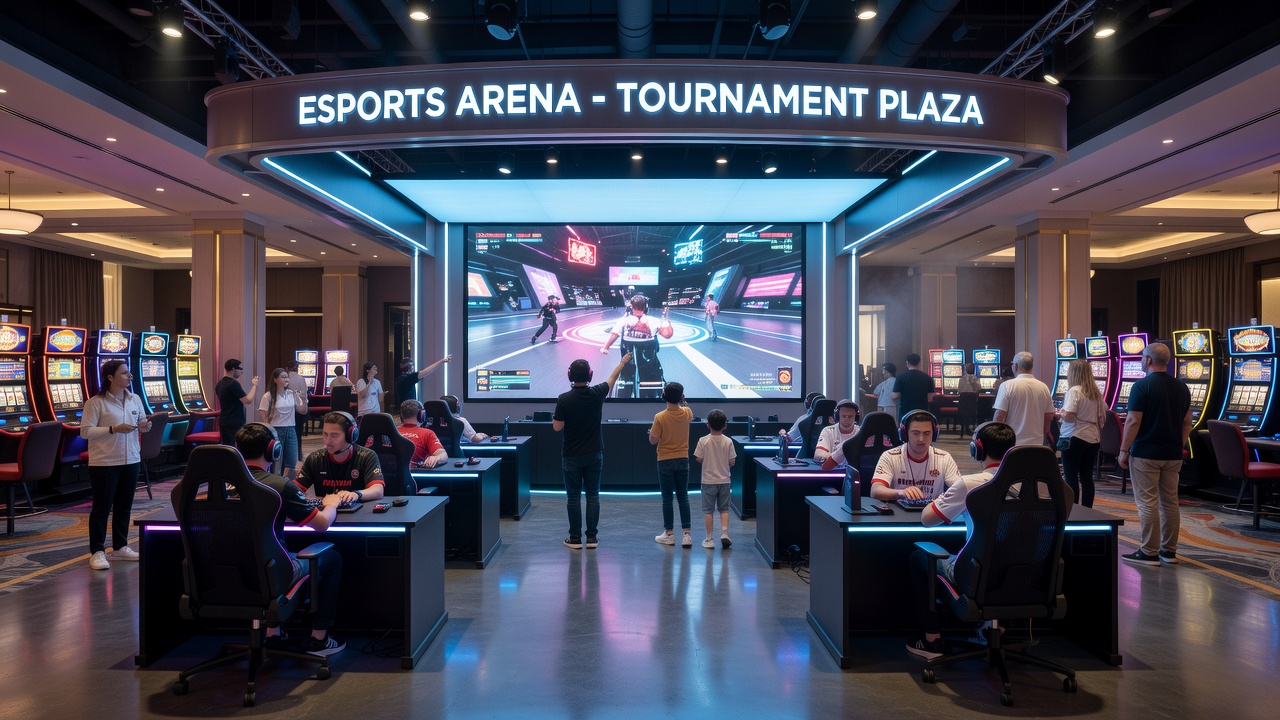
Operational Logistics and Revenue Models
Staffing combines casino dealers with esports technicians who manage broadcast feeds and player check-ins, and cross-training programs developed by resort human resources departments allow employees to rotate between sections during peak hours. Beverage and food service runs through the same central kitchens that supply gaming floor bars, which keeps inventory systems unified and simplifies regulatory reporting to the Nevada Gaming Control Board.
Sponsorship packages sold to hardware manufacturers and energy drink brands offset arena construction costs, while entry fees and merchandise sales add direct income streams that did not exist on gaming floors before these venues opened. Research compiled by the University of Nevada, Las Vegas Center for Gaming Research documents that properties with integrated arenas report between 12 and 18 percent higher non-gaming revenue per square foot during tournament weeks compared with standard operating periods.
Regulatory Framework and Future Planning
State regulations treat esports arenas as extensions of the gaming floor rather than separate entertainment venues, which means liquor service, age verification, and security protocols remain identical to those applied to slot areas. This classification streamlines permitting yet requires operators to maintain clear sightlines from surveillance rooms so both gaming and tournament activity stay under continuous monitoring.
Planning documents submitted for 2027 expansions reference additional arena square footage at three properties currently under renovation, and preliminary blueprints show retractable seating that can convert sections back to slot machine banks when tournaments are not scheduled. Industry reports from the European Esports Federation note similar hybrid models emerging in other resort markets, providing comparative data that Las Vegas operators review during annual strategy sessions.
Conclusion
Resort gaming floors continue to evolve as esports arenas claim permanent footprints, and attendance metrics through mid-2026 already reflect sustained interest from new visitor segments. Integration methods rely on shared infrastructure, unified staffing, and regulatory continuity that keep operations efficient while expanding the overall appeal of Strip properties.