Behind the Curtain: How Touring Magicians' Prop Inventories Shape Storage and Security Protocols in Strip Resort Basements
Written by Tina Vogel · Aug 15, 2026
Behind the Curtain: How Touring Magicians' Prop Inventories Shape Storage and Security Protocols in Strip Resort Basements
Las Vegas Strip resorts maintain extensive basement networks that accommodate touring production requirements, and magician shows represent a distinct category within those logistics systems. Large-scale illusions, mechanical apparatuses, and specialized equipment create unique demands on both square footage allocation and access controls. Observers note that facilities such as those beneath properties on Las Vegas Boulevard South have adjusted floor plans and surveillance grids specifically to handle recurring deliveries of props that can exceed twenty feet in length or weigh several tons.
Inventory Scale and Spatial Requirements
Research from hospitality logistics programs indicates that a single touring magic production can require between 1,200 and 4,000 square feet of dedicated storage depending on the number of illusions in rotation. Data compiled by University of Nevada, Las Vegas faculty members shows that prop crates frequently arrive in standardized shipping containers, yet their internal configurations demand custom racking systems that prevent shifting during seismic events common to the region. Resorts coordinate with production crews months in advance so that basement zones can be reconfigured without disrupting other entertainment schedules.
Climate control parameters become critical when props incorporate delicate fabrics, electronics, or living elements such as doves and other animals used in certain acts. Temperature and humidity sensors linked to central building management systems maintain conditions between 65 and 72 degrees Fahrenheit with 40 to 50 percent relative humidity, figures that align with recommendations from equipment manufacturers and insurance underwriters.
Security Layering and Access Controls
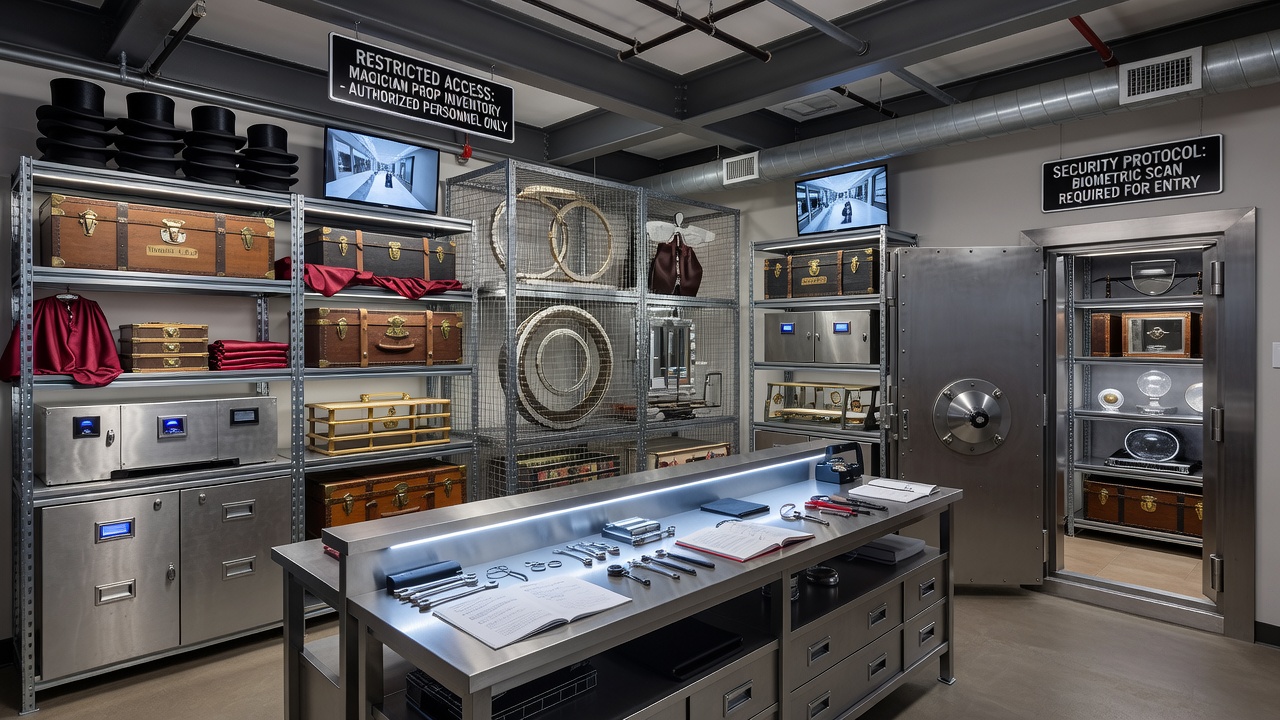
Security protocols extend beyond standard casino floor measures because many props contain valuable components or hazardous mechanical parts. Multi-factor authentication systems now govern entry to basement corridors, requiring both keycard scans and biometric verification for authorized personnel. Camera coverage density increases in these areas, with feeds monitored around the clock by centralized command centers that also oversee service tunnels connecting multiple resort properties.
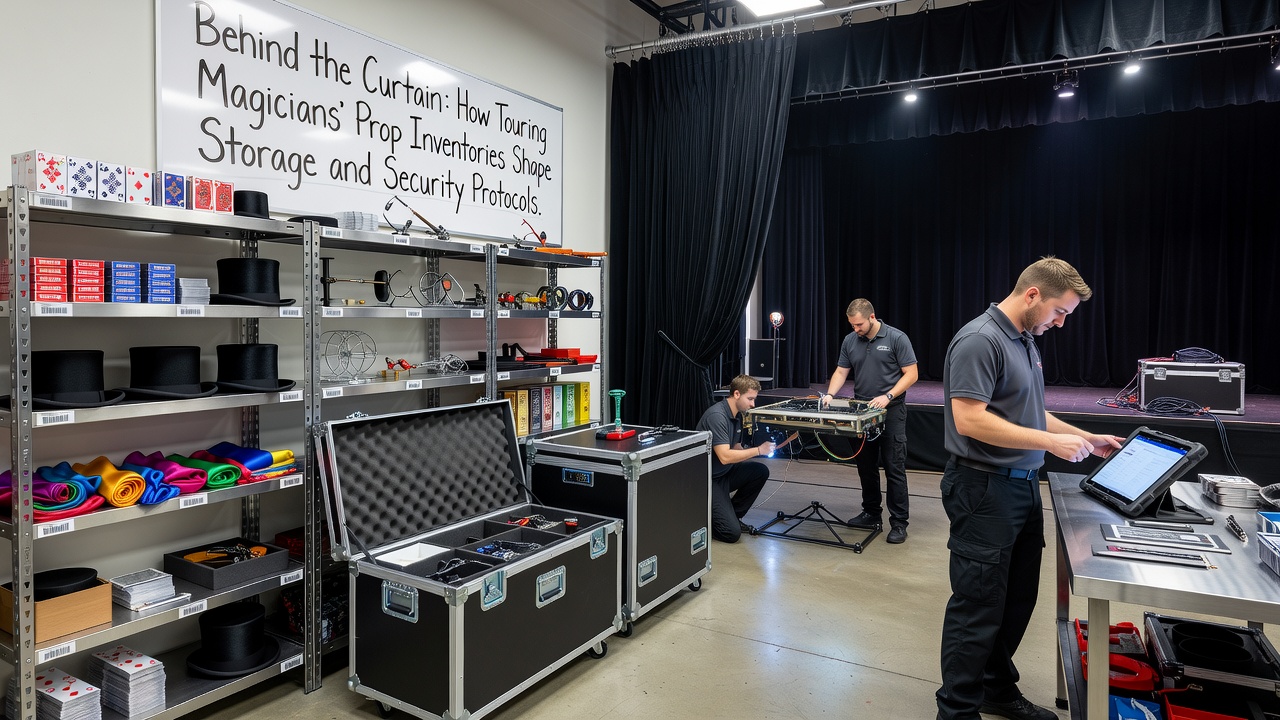
According to reports from the Nevada Gaming Control Board, incident logs from 2024 through mid-2026 reflect a measurable uptick in requests for temporary access badges tied to magic productions. Facilities have responded by installing additional motion-activated barriers and establishing clear chain-of-custody procedures for any prop that leaves or returns to storage. These measures help prevent both theft and accidental damage while satisfying insurer requirements for high-value touring equipment.
Coordination with Service Infrastructure
Basement service tunnels beneath the Strip facilitate movement of props between loading docks and performance venues without crossing public spaces. Scheduling software shared between resort operations teams and production managers prevents conflicts with food service deliveries, linen transport, and maintenance crews. In August 2026 several major properties implemented an updated digital coordination platform that flags potential overlaps in real time, reducing delays reported in earlier seasons.
Those who manage these networks emphasize that weight distribution across reinforced flooring also influences storage placement. Hydraulic lifts and reinforced freight elevators handle oversized pieces, while smaller components travel via dedicated service elevators that remain separate from guest circulation paths.
Regulatory Compliance and Documentation
Local fire codes and Clark County building standards require detailed manifests for any prop containing pyrotechnic elements, compressed gases, or electrical systems rated above certain thresholds. Resorts maintain digital repositories that store these documents alongside floor plans showing exact storage coordinates. Annual inspections conducted by county officials verify that emergency egress routes remain unobstructed even when large illusions occupy significant floor space.
Industry organizations such as the American Gaming Association have published guidelines that encourage standardized labeling and tracking systems across properties. These practices allow quick identification of items during emergency responses and simplify insurance claims when incidents occur.
Conclusion
Storage and security protocols in Strip resort basements continue to evolve alongside the technical demands of touring magic productions. Inventory size, material sensitivity, and regulatory requirements drive measurable adjustments in space allocation, surveillance density, and interdepartmental scheduling. As productions grow more elaborate, facilities maintain detailed records and layered controls that support both operational efficiency and risk mitigation across the Las Vegas entertainment corridor.