Art Installations Rotating Through Vegas Resort Lobbies: Tracking How Curators Time Exhibits with Major Events to Guide Foot Traffic Patterns
Written by Ben Reed · Jun 27, 2026
Art Installations Rotating Through Vegas Resort Lobbies: Tracking How Curators Time Exhibits with Major Events to Guide Foot Traffic Patterns
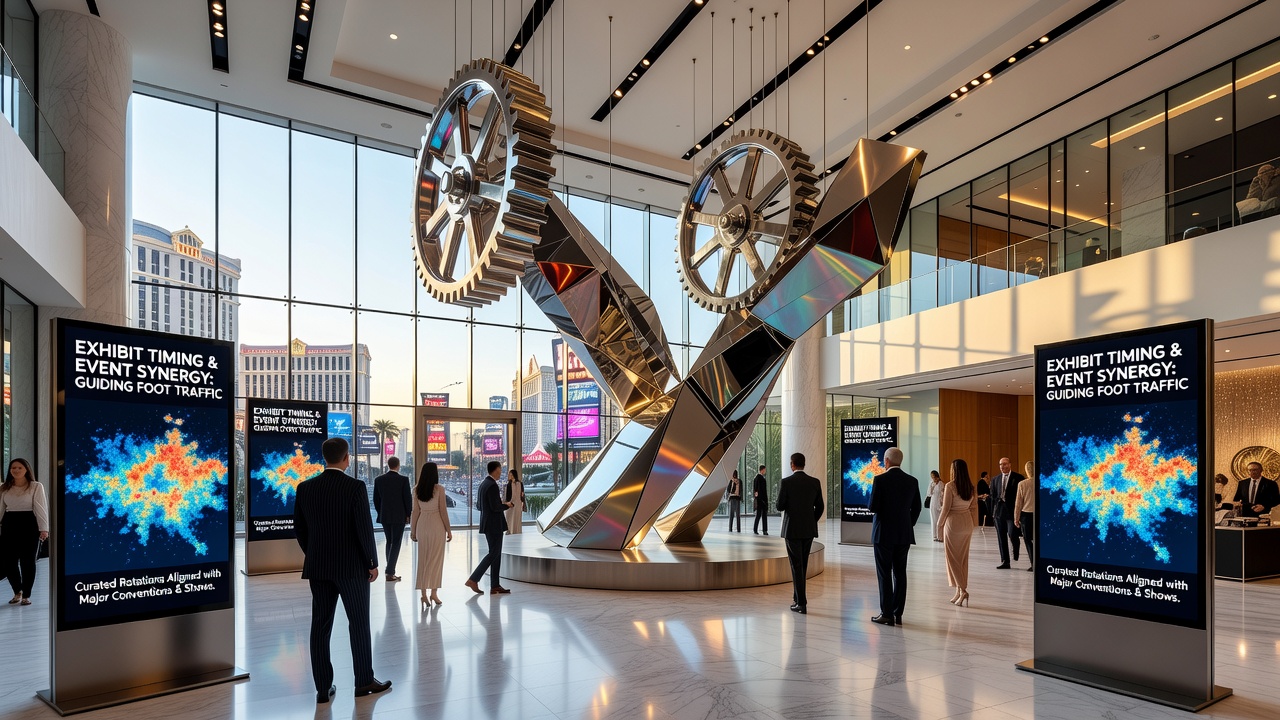
Resort properties across the Las Vegas Strip coordinate art installations in their lobbies with event calendars to influence visitor movement and reduce congestion in high-traffic zones, according to data from the Las Vegas Convention and Visitors Authority. Curators track schedules for conventions, sporting events, and entertainment productions then rotate sculptures, digital displays, and interactive pieces to draw crowds toward less crowded pathways or retail areas during peak arrival times.
Staff at properties including the Bellagio, Aria, and Wynn maintain internal calendars that align exhibit changes with visitor influx predictions derived from hotel booking systems and transportation records. These adjustments occur every four to six weeks on average, with accelerated rotations scheduled around large gatherings such as the scheduled tech summits and trade shows set for June 2026.
Curatorial Planning and Data Integration
Teams analyze foot traffic sensors installed near entrances and elevators to identify bottlenecks, then position new installations to redirect flows toward secondary corridors. A study conducted by researchers at the University of Nevada, Las Vegas examined sensor readings from multiple resorts over eighteen months and found that timed exhibits increased dwell time in peripheral zones by measurable percentages while easing pressure on central gaming floors. Curators receive weekly reports that combine these readings with public event data from the Nevada Commission on Tourism, allowing precise placement decisions weeks in advance.
Digital wayfinding screens update simultaneously with each rotation so arriving guests encounter prompts that reference the new artwork as a landmark. This integration keeps directional cues consistent even as physical pieces change, maintaining predictable movement patterns across different visitor demographics.
Event Synchronization Examples
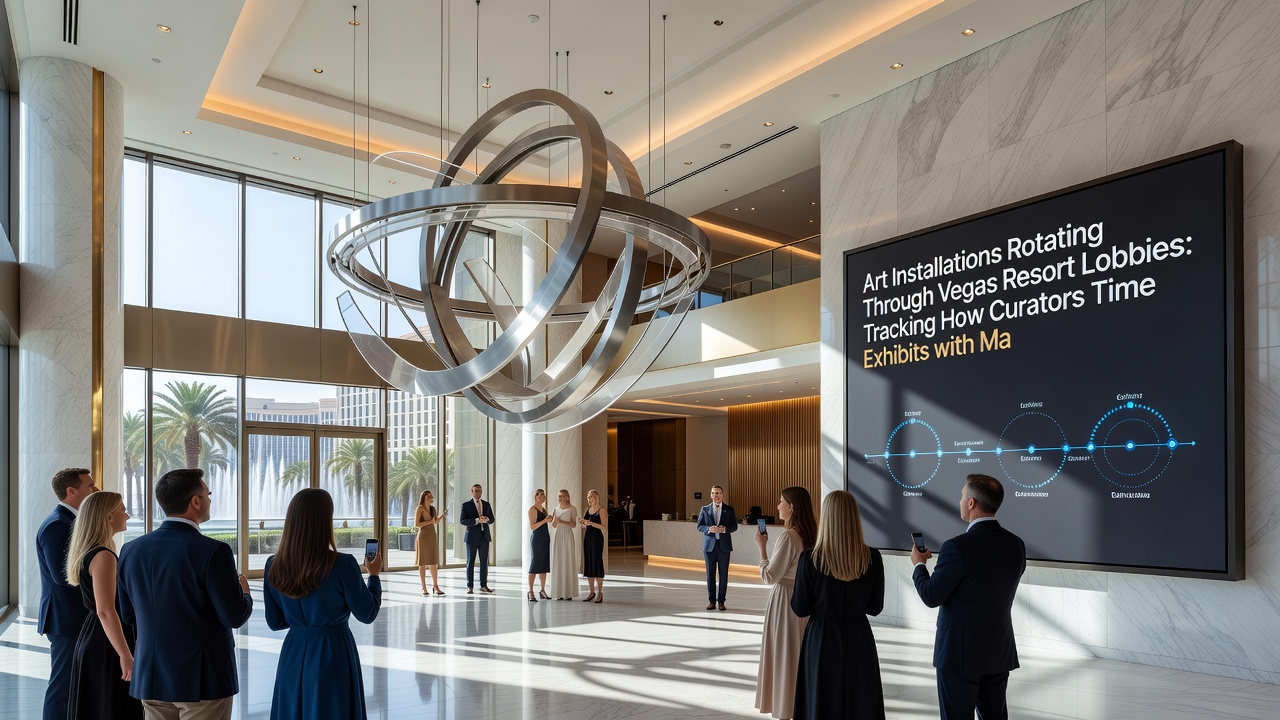
During periods when multiple conventions overlap, properties shift focus from permanent fixtures to temporary works that occupy open floor space near registration desks. One documented case involved a series of suspended light sculptures installed at a major Strip resort ahead of a multi-day conference in early summer, which guided attendees from taxi stands through lobby seating areas and into adjacent retail promenades. Similar placements are prepared for June 2026 gatherings, where organizers anticipate higher volumes of first-time visitors unfamiliar with resort layouts.
Properties also coordinate with external cultural organizations to secure traveling exhibits that match thematic elements of upcoming events. For instance, abstract pieces featuring motion and light have appeared in lobbies during periods when nearby entertainment productions emphasize similar visual motifs, creating visual continuity that encourages exploration beyond immediate arrival points.
Measurement of Traffic Outcomes
Resorts compile monthly summaries that compare pre-installation and post-installation traffic counts at key junctions. These internal documents track variables such as average time spent in lobby areas, directional changes at decision points, and spillover into dining and shopping zones. Aggregated figures shared with industry groups show consistent patterns where strategic rotations correlate with reduced crowding near front desks and improved distribution across ground-level amenities.
Maintenance crews receive advance schedules that align installation windows with lower occupancy periods, minimizing disruption to arriving guests. The process incorporates feedback loops where security personnel note any persistent congestion points after each rotation, prompting adjustments for subsequent exhibits.
Logistical Coordination Across Properties
Multiple resorts share anonymized traffic trend information through trade associations, enabling curators to anticipate citywide patterns rather than operating in isolation. This collaboration supports larger installations that require specialized rigging crews and climate-controlled transport between venues. Storage facilities located off-site hold pieces between rotations, with inventory systems flagging availability based on upcoming event clusters.
Artists and fabricators receive briefs that include projected visitor volumes and preferred traffic vectors, shaping the scale and interactive elements of each work. The resulting pieces often incorporate subtle directional cues, such as pathways integrated into the base design or lighting sequences that draw the eye toward specific exits.
Conclusion
Resort operators continue refining these rotation schedules as new sensor technologies and predictive modeling tools become available. The approach relies on cross-referencing event calendars with real-time movement data to maintain efficient circulation through lobbies while accommodating seasonal peaks, including those projected for June 2026. Ongoing documentation from properties and academic partners provides the foundation for adjustments that keep pace with changing visitor volumes across the Strip.