Arena Timetables Shape Dining Patterns at Nearby Casino Restaurants on Event Nights
Written by Ben Reed · Jul 7, 2026
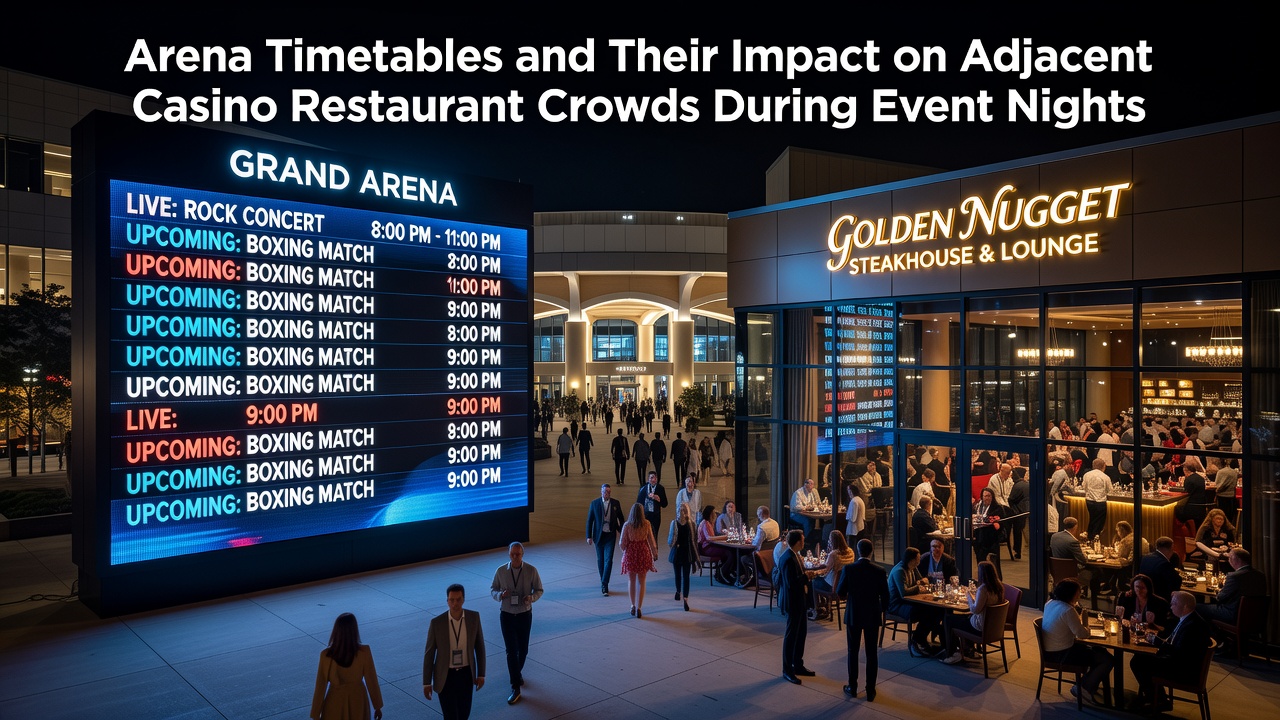
Arena Timetables Shape Dining Patterns at Nearby Casino Restaurants on Event Nights
Event schedules at major arenas in Las Vegas determine crowd flows that reach adjacent casino restaurants on nights when concerts or sporting events fill the venues, and researchers tracking these patterns have documented consistent surges in foot traffic during specific windows tied directly to start times and conclusion times.
Timetable Coordination Across Properties
Operators align arena calendars with restaurant staffing models because data from multiple venues shows that events beginning at 7 p.m. or 8 p.m. generate measurable increases in pre-show reservations at properties within a three-block radius, while late-finishing games or shows trigger secondary rushes after 10 p.m. Observers note that synchronized timetables allow restaurants to adjust inventory orders and table allocations days in advance, and figures from the Las Vegas Convention and Visitors Authority reveal that arena events account for predictable percentage lifts in nearby dining revenue on those dates.
Pre-Event Dining Windows
Patrons arriving early for arena events often choose casino restaurants for convenience, and studies tracking reservation systems indicate that tables book faster in the two-hour window before doors open at the arena. Those who study these movements report that groups of four or more dominate the earlier slots, while solo diners or pairs fill remaining seats closer to event start times. Restaurants respond by extending happy-hour promotions or adding temporary service staff, since the overlap between arena arrivals and typical dinner hours creates a compressed demand period that lasts roughly ninety minutes.
Post-Event Crowd Surges
Once events conclude, exiting crowds move toward nearby dining options, and traffic counts collected at crosswalks show peak pedestrian volumes occurring between twenty and forty minutes after final whistles or encores. Casino restaurants positioned along primary exit routes experience the strongest effects, with wait times extending beyond normal levels for up to ninety minutes. Management teams at these locations prepare by staging additional bussers and hosts, because the concentrated arrival of hundreds of guests in a short interval can strain kitchen capacity if not anticipated through timetable analysis.
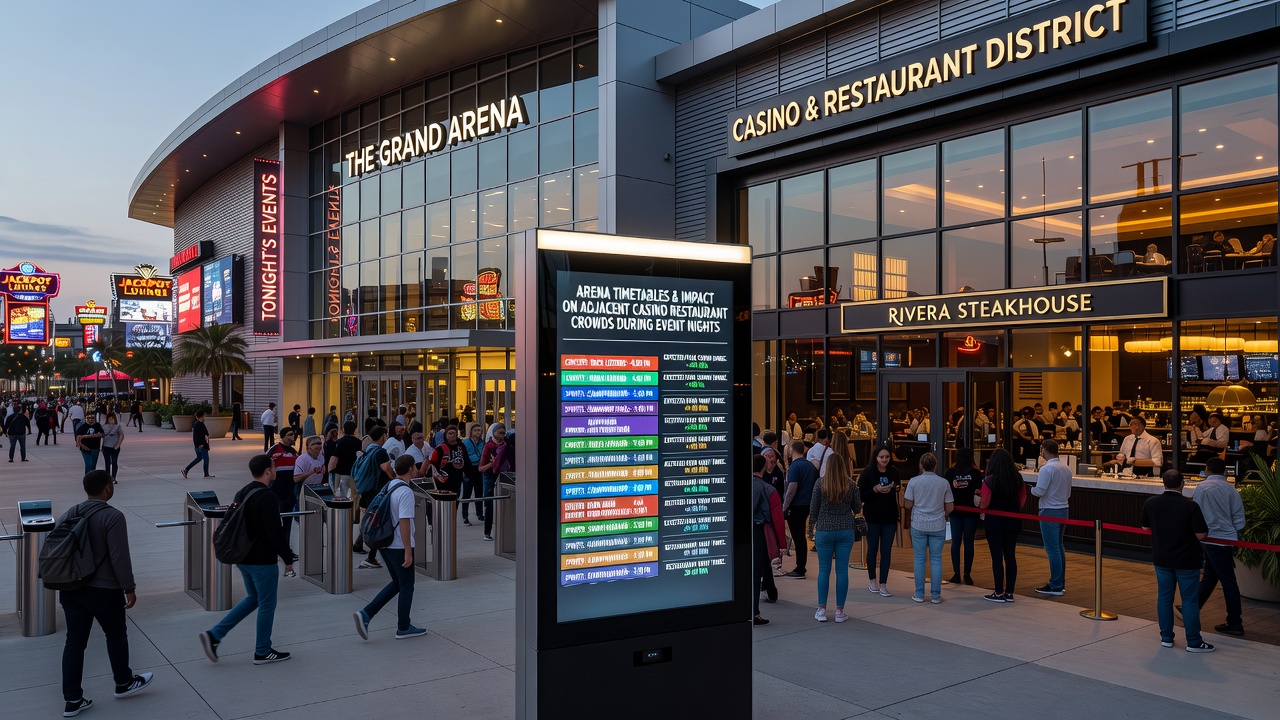
July 2026 Schedule Implications
Published arena calendars for July 2026 list multiple concert dates and preseason sports events that fall on consecutive weekends, and analysts examining those listings expect repeated patterns of elevated restaurant traffic at adjacent properties. Historical data from similar clustered event periods demonstrates that restaurants can see daily covers rise by double-digit percentages when two or more arena nights occur within a seventy-two-hour span. Planning documents circulated among Strip operators incorporate these July dates into labor forecasts and supply deliveries to accommodate the anticipated volume.
Reservation Systems and Walk-In Dynamics
Digital booking platforms used by casino restaurants register earlier sell-outs on event nights, yet walk-in traffic also climbs as some attendees decide spontaneously after leaving the arena. Research conducted by hospitality programs at the University of Nevada, Las Vegas indicates that properties maintaining both online and standby lists handle the mixed demand more effectively than those relying on one channel alone. Staff training programs emphasize rapid table turns and clear communication with guests about wait estimates, since accurate information reduces frustration during peak post-event intervals.
Transportation and Access Factors
Public transit schedules and rideshare pickup zones near arenas interact with restaurant access, and observers tracking pedestrian streams note that many event attendees pass directly by casino restaurant entrances on their way to transportation hubs. Properties located between the arena and major transit points capture higher incidental traffic, while those slightly offset see steadier but lower-volume increases. Coordination between arena management and casino operators sometimes includes temporary signage or staff directing guests toward open dining options, which spreads crowds more evenly across available seats.
Conclusion
Arena timetables function as reliable predictors of restaurant activity in connected casino properties, and the measurable effects on crowd size, reservation velocity, and service pacing repeat across multiple event types and seasons. Operators who integrate these schedules into daily operations maintain smoother service levels even when thousands of additional guests enter the surrounding area within narrow time frames. Continued monitoring of timetable changes allows restaurants to refine staffing and inventory practices that align with the documented rhythms of event-night demand.