Antique Slot Machine Restorers Keep Mechanical Gaming Heritage Alive as Resorts Shift to Touch-Screen Systems
Written by Ben Reed · Aug 6, 2026
Antique Slot Machine Restorers Keep Mechanical Gaming Heritage Alive as Resorts Shift to Touch-Screen Systems
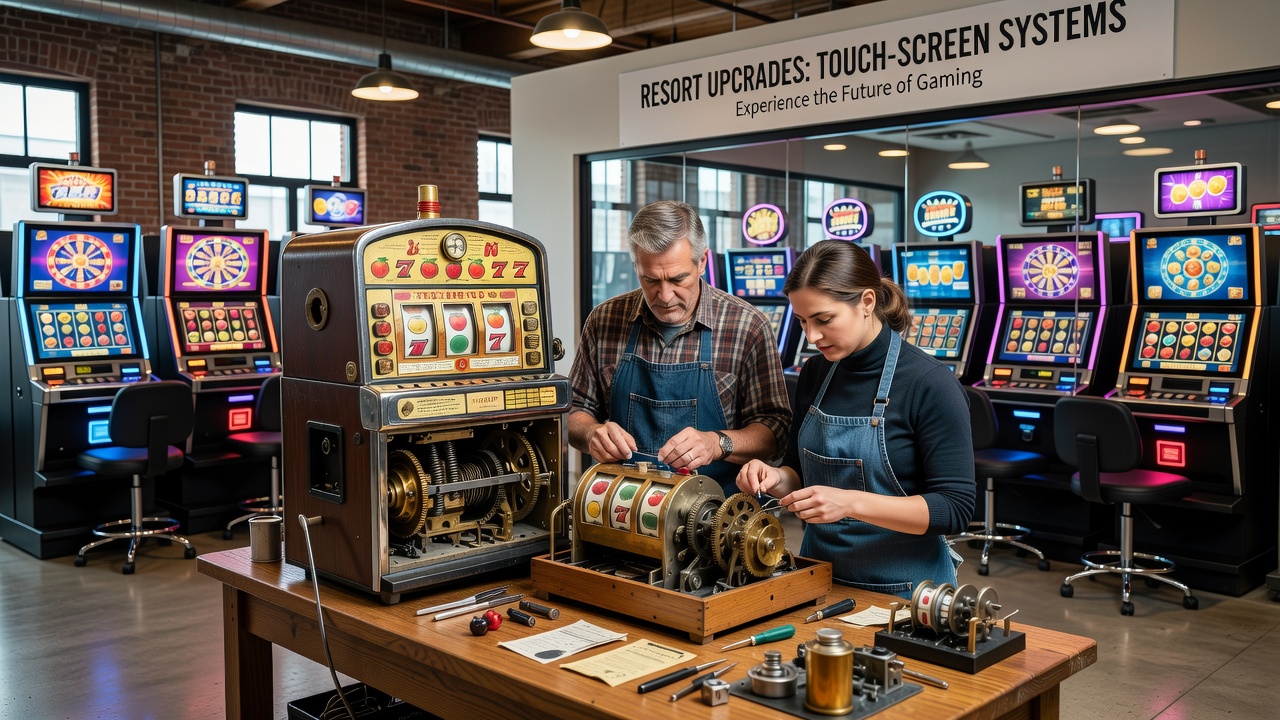
Las Vegas resorts continue their transition toward digital touch-screen gaming systems in 2026, and antique slot machine restorers maintain the mechanical devices that defined earlier decades of casino floors. These specialists rebuild, calibrate, and preserve machines from the mid-20th century onward, while major properties replace aging hardware with interactive screens that support multiple games on single units. Data from the Nevada Gaming Control Board shows that digital installations accounted for over 70 percent of new slot placements across Clark County properties during the first half of 2026.
The Scale of the Digital Transition
Resorts along the Strip and in downtown areas have accelerated upgrades since 2023, with several properties completing full floor conversions by August 2026. Touch-screen terminals allow operators to update game libraries remotely, track player activity in real time, and reduce physical maintenance compared with mechanical models that require individual servicing. Industry reports indicate that one major operator replaced 2,400 mechanical units with digital stations across three properties, freeing floor space for additional table games and event areas. Yet mechanical machines remain in circulation through private collections, smaller venues, and heritage displays that attract visitors seeking tangible connections to earlier gaming eras.
Restoration Practices and Techniques
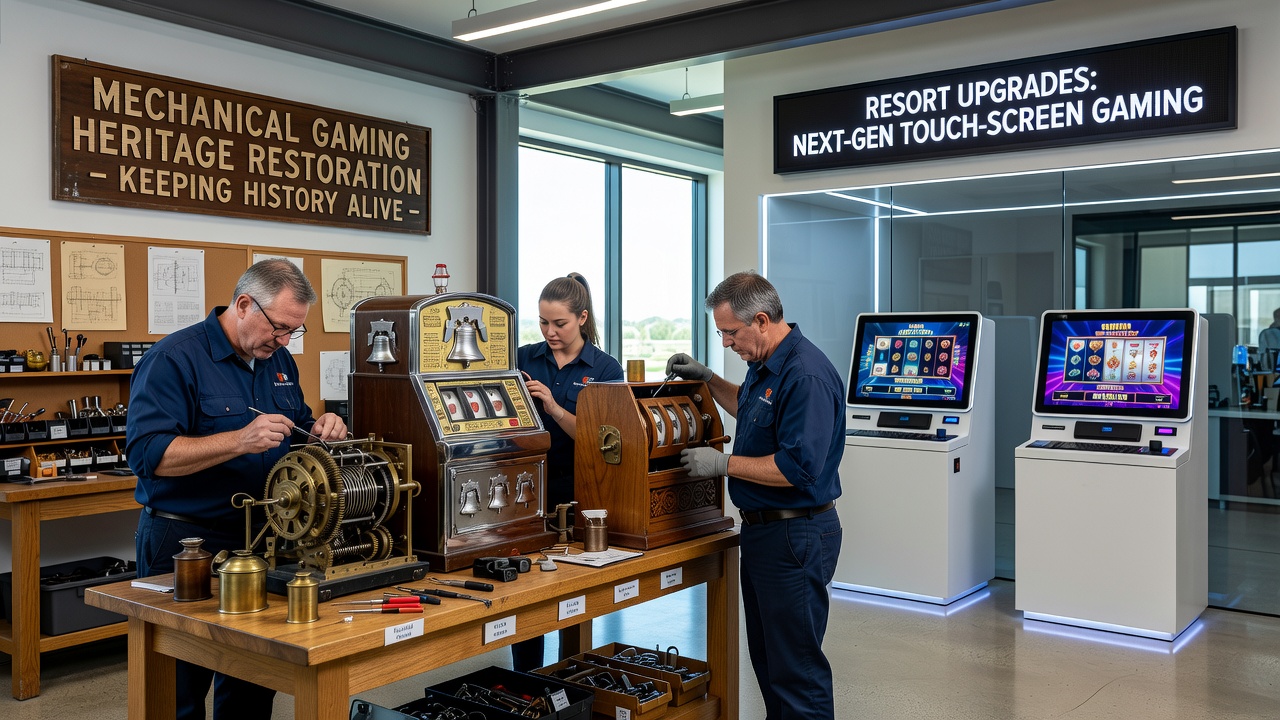
Restorers begin each project by disassembling machines to inspect gears, reels, springs, and payout mechanisms that have operated for decades. They source replacement parts from decommissioned units or fabricate components when originals prove unavailable, then recalibrate timing sequences so that reels stop at precise intervals. One workshop in Henderson documented the restoration of 48 three-reel machines originally manufactured between 1965 and 1982, returning them to working condition for use in a downtown casino's nostalgia-themed lounge. Technicians test each machine for payout accuracy and mechanical reliability before delivery, often logging hundreds of cycles to verify performance under continuous operation.
Preservation Networks and Institutional Support
Museums and educational programs partner with restorers to document the evolution of gaming hardware. The Nevada State Museum maintains a rotating exhibit of restored machines that illustrate changes in design from manual levers to electronic hoppers, drawing consistent visitor numbers throughout the year. Academic researchers at the University of Nevada, Las Vegas have compiled oral histories from technicians who serviced equipment during the 1970s and 1980s, creating an archive that informs current restoration standards. These efforts receive occasional grants from gaming trade associations that recognize the historical value of early devices even as operational floors modernize.
Market Demand and Collector Interest
Private collectors and regional casinos outside major resort corridors continue to purchase restored machines, creating steady demand that sustains independent workshops. Auction records from 2025 and early 2026 show average sale prices for fully operational 1960s-era Bally and Jennings models ranging between $4,800 and $9,200 depending on condition and rarity. Several boutique hotels in Reno and Lake Tahoe integrated small banks of restored units into their gaming areas to differentiate from larger digital-focused competitors. This secondary market operates alongside the primary shift toward touch-screen systems, allowing mechanical heritage to persist in targeted settings rather than disappearing entirely.
Regulatory Context and Compliance
Nevada regulations require that any machine offered for public play meets current technical standards regardless of age, which means restorers must incorporate approved coin comparators or ticket printers while retaining original reel assemblies. Compliance inspections occur quarterly for venues that retain mechanical equipment, and technicians submit documentation verifying that payout percentages align with approved ranges. These requirements add steps to restoration timelines yet ensure that preserved machines remain legally operable in licensed locations.
Conclusion
Antique slot machine restoration continues as a specialized trade that intersects with the broader modernization of Las Vegas gaming floors. While resorts prioritize digital platforms for efficiency and flexibility, documented demand from collectors, museums, and select venues sustains the mechanical tradition. Figures released by state regulators and academic archives indicate that hundreds of restored units enter circulation each year, preserving operational examples of earlier technology even as touch-screen systems dominate new installations. This parallel track keeps physical gaming artifacts accessible for study and play without halting the operational evolution of resort properties.